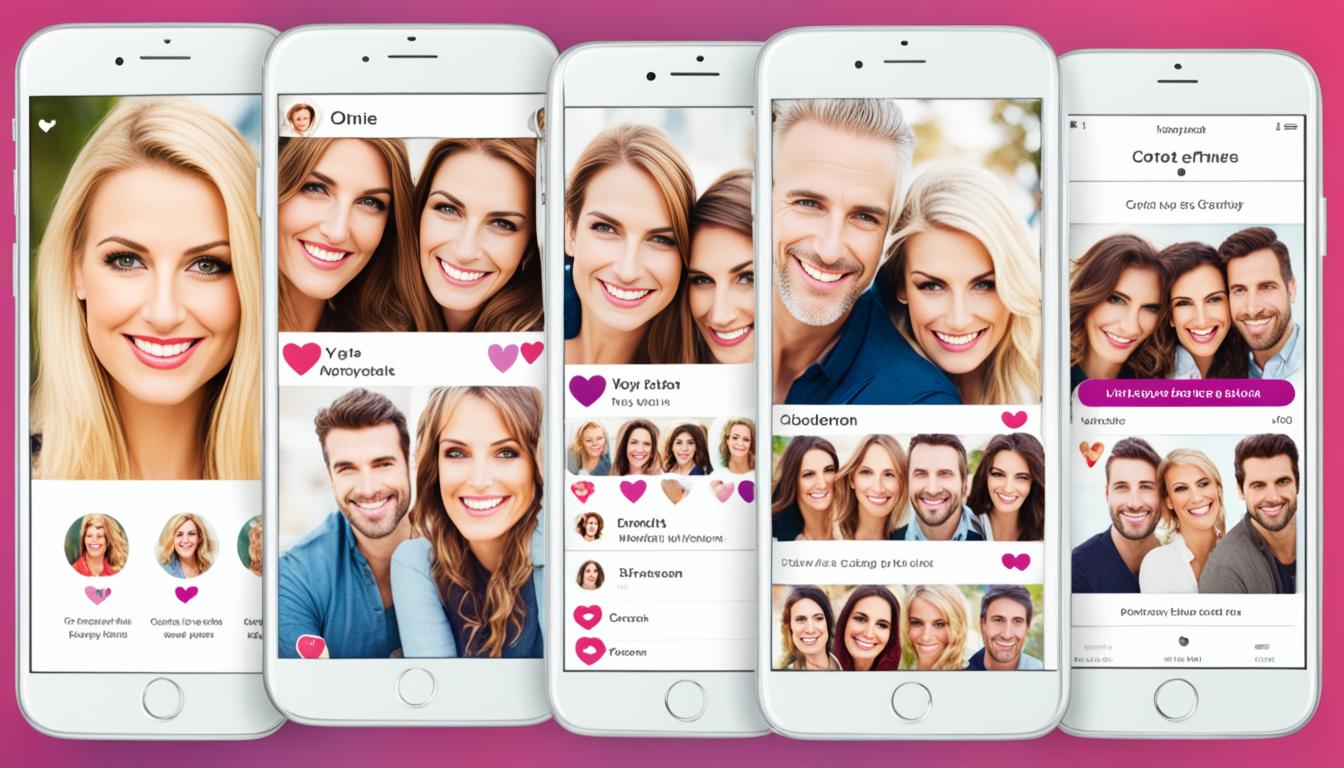
Social media influences your dating expectations by creating curated images and idealized lifestyles that shape how you see others and yourself. You might seek virtual validation through likes and comments, which affects your self-esteem and standards. It can lead to superficial interactions focused on appearances rather than genuine connection, and sometimes cause dissatisfaction or unrealistic benchmarks for partners. Staying aware of these influences helps build healthier, more authentic relationships—something worth exploring further.
Key Takeaways
- Social media shapes perceptions of ideal partners, influencing unrealistic dating standards and expectations.
- It fosters dependence on virtual validation, affecting self-esteem and relationship satisfaction.
- Online portrayals promote superficial interactions focused on appearance rather than genuine connection.
- Comparing partners to curated images can lead to dissatisfaction and undermine emotional intimacy.
- Awareness of social media’s influence can help develop healthier, authentic expectations in dating.

Social media has fundamentally changed how we approach dating, shaping our expectations in ways we often don’t realize. When scrolling through countless profiles, you’re constantly exposed to curated images and idealized versions of others’ lives. This exposure creates a desire for virtual validation—likes, comments, and shares—that confirms you’re attractive, interesting, or successful in the eyes of others. As you post photos or updates, you might find yourself seeking affirmation that your online persona aligns with how you want to be perceived. This need for validation can influence how you present yourself, often emphasizing certain traits or appearances to garner approval. Over time, it can lead to an obsession with maintaining a specific image, which may not always reflect who you truly are but instead caters to the expectations set by your social media environment.
Your perception of your own image becomes intertwined with how others see you online. You might start to judge your worth based on the number of followers, likes, or comments you receive. This can distort your self-image, making you overly dependent on external validation rather than internal confidence. When dating, this reliance on image perception can create unrealistic standards. You might expect your partner to maintain a certain appearance or online persona that aligns with societal ideals, often influenced by what you see on social media. It can also lead to comparing yourself or your partner to the seemingly perfect lives portrayed online, which sets an unattainable bar for authentic connection. This constant comparison fosters dissatisfaction and can diminish the value of genuine intimacy, replacing it with superficial considerations about appearances.
Furthermore, social media’s emphasis on image perception impacts your dating expectations by making you more conscious of how you’re viewed at all times. You may feel pressured to craft a specific online image to attract potential matches, often prioritizing looks over personality. This can lead to superficial interactions where appearances outweigh meaningful connection. The quest for virtual validation often encourages behaviors aimed at impressing others rather than being authentic. As a result, you might find yourself more focused on projecting a perfect version of yourself rather than embracing your true self. This shift affects your approach to dating, making it more about performance and less about genuine compatibility.
Ultimately, the influence of social media on your expectations can be both empowering and problematic. While it offers opportunities for connection and validation, it also risks fostering unrealistic standards and superficial relationships. Recognizing how virtual validation and image perception shape your approach can help you develop healthier, more authentic expectations, fostering deeper and more meaningful connections beyond the digital sphere.
Frequently Asked Questions
How Does Social Media Influence Long-Term Relationship Satisfaction?
Social media influences your long-term relationship satisfaction by shaping your perceptions through virtual intimacy and social comparison. When you see idealized images and romanticized moments online, you might feel your relationship falls short, leading to dissatisfaction. However, engaging in genuine virtual intimacy helps deepen your bond. Be mindful of social comparison, and focus on authentic connection to maintain realistic expectations and boost long-term happiness.
Are Dating Apps More Harmful or Helpful in Modern Dating?
Dating apps can be both helpful and harmful. They enable you to find virtual compatibility quickly, expanding your dating options. However, they can also lead to dating app addiction, making you overly dependent on instant gratification and superficial matches. If you stay mindful and set boundaries, you can enjoy the benefits of modern technology while avoiding its pitfalls, leading to healthier, more genuine connections.
What Role Does Social Media Play in Dating Anxiety?
Social media heightens your dating anxiety by fueling social comparison and validation seeking. As you scroll through seemingly perfect profiles, you might feel inadequate or worried about not measuring up. This constant comparison makes you obsess over how you’re perceived, leading to increased stress and self-doubt. Recognizing these patterns helps you manage your expectations better, so you can approach dating with more confidence and less anxiety.
How Do Social Media Filters Affect Real-Life Attraction?
Social media filters and photo enhancements shape your self-presentation, often setting unrealistic standards of attraction. When you compare real-life appearances to curated images, it can skew your perception of genuine attraction, making you less confident in authentic connections. These tools encourage you to present a polished version of yourself, but true attraction stems from authenticity. Recognize that real connection thrives beyond perfect filters, focusing on genuine self-expression.
Can Social Media Create Unrealistic Relationship Standards?
Sure, social media’s like a fairy tale factory, but it’s also the perfect place for comparison pitfalls. You might think everyone’s perfect, setting unrealistically high relationship standards. These platforms often boost authenticity concerns, making you wonder if real love is even possible. Instead of chasing idealized images, remember that genuine connections thrive on honesty, not filters. Don’t let social media’s shiny veneer distort your view of true, imperfect love.
Conclusion
In today’s world, social media shapes your dating expectations more than ever. Imagine scrolling through flawless profiles, feeling pressured to find perfection yourself. A real case saw someone reject a genuine partner because their online presence didn’t match their curated image. Remember, social media often shows only the highlight reel. Keep realistic expectations, focus on authentic connections, and don’t let online portrayals distort what real love truly looks like.