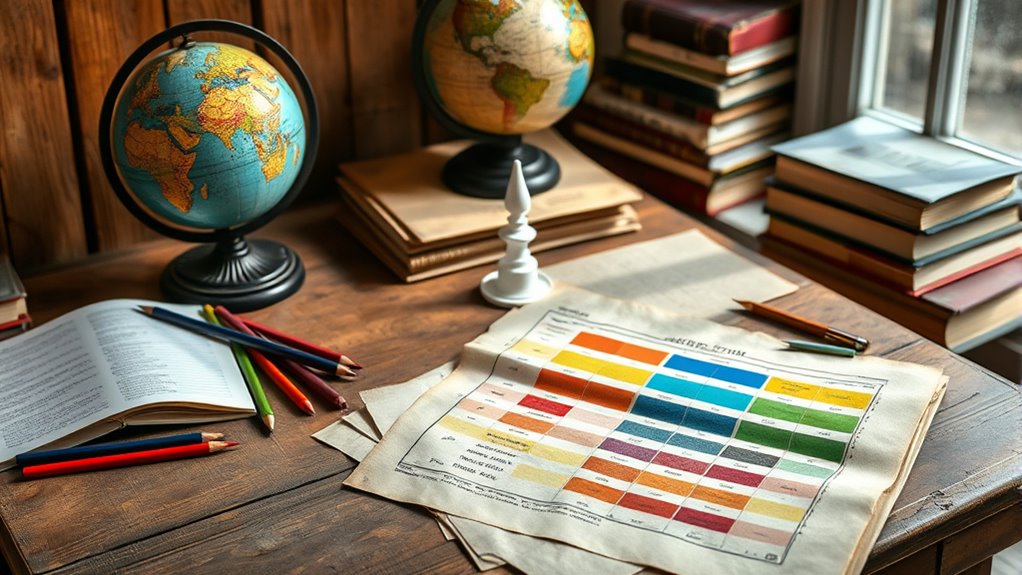

Color personality tests have roots dating back to ancient civilizations like the Greeks, Egyptians, and Chinese, where people believed colors reflected certain qualities and influenced inner states. Over time, psychologists studied how colors impact mood and behavior, leading to scientific understanding. Early tests emerged from these ideas, using color preferences to reveal personality traits. Today, these assessments continue to evolve, offering insights into identity. Keep exploring, and you’ll discover how these origins shape modern approaches to understanding yourself.
Key Takeaways
- Ancient civilizations like Greeks, Egyptians, and Chinese associated colors with specific traits, laying early foundations.
- Psychologists in the 20th century studied color associations scientifically, linking colors to emotional responses.
- Early color tests emerged by asking individuals to select preferred colors to reveal personality traits.
- Cultural and historical symbolism shaped how colors are perceived and connected to personality characteristics.
- Modern color personality assessments build on these origins, using simplified quizzes to explore individual identity.

Have you ever wondered what your favorite color reveals about your personality? It’s a fascinating question, and one that has intrigued people for centuries. The origins of color personality tests trace back to the idea that colors are more than just visual stimuli—they carry deep symbolism and evoke specific psychological effects. Color symbolism is rooted in cultural, historical, and personal associations, which shape how individuals interpret different hues. For example, red often symbolizes passion, energy, or danger, while blue tends to represent calmness, trust, and stability. These symbolic meanings are not random; they develop over time through societal influences, personal experiences, and collective beliefs. When you see a color, your brain immediately connects it to certain emotions or ideas, creating a subconscious link that can reveal aspects of your character.
The use of color to understand personality has a long history, stretching back to ancient civilizations. The Greeks, Egyptians, and Chinese all attributed specific qualities to different colors, believing they could influence or reflect a person’s inner state. During the 20th century, psychologists began studying these associations more scientifically. They explored how colors impact mood and behavior, recognizing that the psychological effects of colors are powerful. For instance, yellow is often linked to happiness and optimism, but it can also induce anxiety if overused. These effects are not just superficial; they influence your thoughts and feelings in subtle but measurable ways. This understanding led to the development of early color tests, where individuals would be asked to select colors they felt drawn to or comfortable with, revealing insights into their personality traits. Additionally, research on color psychology has helped refine these assessments, making them more accurate and meaningful.
Over time, the idea that specific colors could be tied to personality types gained popularity. Modern color personality tests distill these concepts into simple quizzes or assessments, allowing you to explore your own preferences and what they might say about you. The psychological effects of colors continue to be a focus of research, emphasizing that your emotional response to certain hues can provide clues about your mental state or personality tendencies. When you pick your favorite color, you’re not just choosing a shade; you may be expressing underlying aspects of your identity—whether you seek stability, crave excitement, or desire harmony. Understanding the origins of these tests enriches your appreciation for how deeply woven color symbolism and psychological effects are in shaping perceptions of personality.

Color Analysis Draping Kit – Find Your Season at Home | DIY Color Analysis | 36 Face Frames + Step-by-Step Guide | 12-Season System | Chromawings
FIND YOUR SEASON AT HOME: See instantly which colors make your skin look brighter and more even. With…
As an affiliate, we earn on qualifying purchases.
As an affiliate, we earn on qualifying purchases.
Frequently Asked Questions
Who First Developed the Concept of Color Personality Testing?
You might be surprised to learn that the concept of color personality testing has roots in early psychological theories from the 20th century. Carl Jung, a pioneering psychologist, explored symbolism and personality types, influencing later ideas about color psychology. The historical origins of these tests blend Jung’s theories with various psychological principles, leading to modern techniques that use colors to help understand individual traits and preferences more intuitively.
Are Color Personality Tests Scientifically Validated or Just for Entertainment?
Color personality tests are mainly for entertainment value and lack strong scientific validity. While some people find them fun and insightful, they haven’t been rigorously tested or proven reliable by scientific standards. You shouldn’t rely on them for important decisions or self-understanding, as they often oversimplify complex personalities. Instead, view them as a playful way to explore your preferences, not a definitive or scientifically validated assessment of your character.
How Do Cultural Differences Influence Color Personality Interpretations?
Think of colors as cultural whispers, shaping how you see personality traits. Cultural color symbolism influences your perceptions, making red passionate in one culture but aggressive in another. Cross-cultural perceptions create a rich tapestry where colors symbolize different qualities globally. You might associate calm with blue, yet in some cultures, blue signifies mourning. So, your color personality insights can vary greatly depending on your cultural background, revealing the deep roots of symbolism.
Can Color Personality Tests Accurately Predict Behavior or Career Success?
Color personality tests offer some insights but shouldn’t be relied upon for accurate predictions of behavior or career success. Their predictive validity is limited because they oversimplify complex traits. You might find them helpful as a starting point for self-awareness, but for real career implications, consider combining them with other assessments and personal experiences. Relying solely on these tests can lead to misleading conclusions about your potential.
What Are the Ethical Considerations in Using Color Personality Assessments?
While embracing the subtle art of understanding, you should consider ethical factors like privacy concerns and potential biases when using color personality assessments. It is crucial to guarantee that personal data remains confidential and that the tests don’t unfairly favor or disadvantage individuals. By maintaining transparency and applying these tools responsibly, you respect everyone’s dignity and foster trust, ensuring the assessments serve as helpful guides rather than sources of discrimination.

What Kind of Quiz Book Are You?: Pick Your Favorite Foods, Characters, and Celebrities to Reveal Secrets About Yourself
As an affiliate, we earn on qualifying purchases.
As an affiliate, we earn on qualifying purchases.
Conclusion
While some might doubt the accuracy of color personality tests, think of them like a rainbow—each shade representing a different trait that, together, create a complete picture of you. Visualize a color wheel, with vibrant sections blending seamlessly, illustrating how your personality isn’t just one hue but a spectrum. Embrace these tests as a fun, insightful way to understand yourself better, rather than a rigid label, and see how your unique colors shine through in every aspect of life.

Color Analysis Draping Kit – 36 Color Drapes for DIY Seasonal Analysis – Find Your Best Colors for Makeup, Wardrobe & Personal Style – with Guide & Rating Sheet
Find Your Flattering Color: Struggling with choosing makeup or clothing colors? This DIY color analysis draping kit easily…
As an affiliate, we earn on qualifying purchases.
As an affiliate, we earn on qualifying purchases.
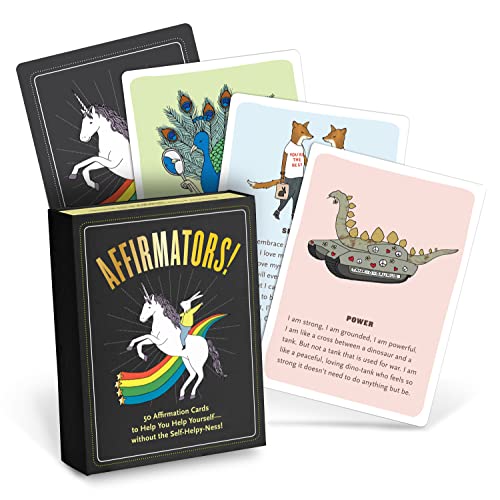
Affirmators! Original: 50 Affirmation Cards Deck For You Help Yourself without The Self-Helpy-Ness (50 Cards)
Even pessimists like a little positivity, so comedian Suzi Barrett created Affirmators inspirational-but-not-cheesy affirmation cards
As an affiliate, we earn on qualifying purchases.
As an affiliate, we earn on qualifying purchases.