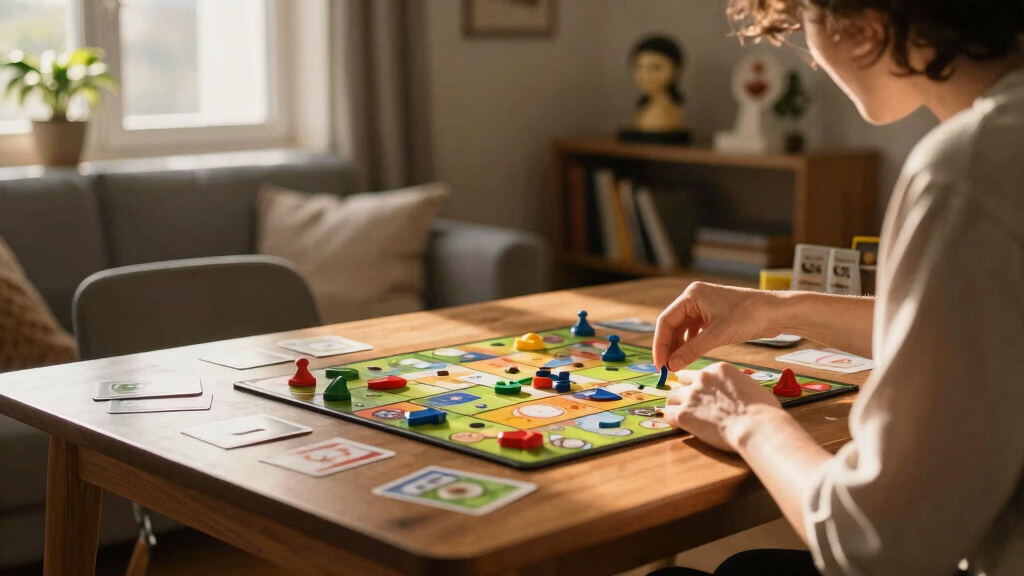

Choosing the right psychology-themed board game depends on your group size, preferred gameplay style, and your familiarity with psychological concepts. The Unconscious Mind stands out for players who enjoy strategic, euro-style mechanics with a psychological theme rooted in early 1900s Vienna. For family or casual game nights, The Mind offers a cooperative, non-verbal challenge that promotes teamwork and quick thinking. If you want a mix of deduction, cooperation, and historical flair, Four Humours provides a modular, replayable experience. For larger groups and party settings, CMYK Wavelength emphasizes fast-paced telepathic communication. Each option balances complexity, player count, and thematic depth differently, making it important to match the game to your group’s preferences and experience level.

Turn your wind-down time into listening time
- Thousands of audiobooks, podcasts and originals
- Listen on your phone, tablet or Echo — also offline
- Cancel anytime
Key Takeaways
- Strategy-focused games like Unconscious Mind appeal to players who enjoy deep mechanics and thematic depth.
- Cooperative, communication-based games like The Mind suit casual groups and families seeking social fun.
- Replayability and modularity are key features of Four Humours for those who want variety and complexity.
- Party games like Wavelength excel with larger groups and quick, energetic gameplay.
- Tradeoffs often involve complexity versus accessibility, with some games requiring a learning curve for full enjoyment.
| Unconscious Mind | Euro-Style Sigmund Freud Strategy Game | 1-4 Players, Ages 12+ | 60-120 Minute Playtime |  | Best for Strategy and Thematic Depth | Brand: LUCKY DUCK GAMES | Genre: Strategy | Number of Players: 1-4 | VIEW LATEST PRICE | See Our Full Breakdown |
| The Mind – Family-Friendly Card Game for Game Night |  | Best for Casual and Family Play | Age Range: Kid, Teen, Adult | Included Components: Cards | Unit Count: 1 | VIEW LATEST PRICE | See Our Full Breakdown |
| Four Humours – The Board Game for Plague Doctors and Medieval Psychologists by Adam’s Apple Games |  | Best for Deduction and Replayability | Ages: 10 and up | Gameplay: Secret worker placement, cooperation, bluffing, deduction | Components: Custom insert, modular map | VIEW LATEST PRICE | See Our Full Breakdown |
| CMYK Wavelength: The Mind Reading Party Game |  | Best for Large Groups and Quick Play | Number of players: 2-12+ | Setup time: 5 seconds | Learning time: 1 minute | VIEW LATEST PRICE | See Our Full Breakdown |
| psychology-themed board game | Number of Players | Included Components |
|---|---|---|
| Unconscious Mind | Euro-Style | 1-4 | Meeting Board, Map Board, Insight Dials, Client Cards, Dream Cards, Tokens, Standee, Dispenser, Goal Tiles, Rulebooks |
| The Mind | — | Cards |
| Four Humours | — | — |
| CMYK Wavelength: The Mind Read | 2-12+ | — |
More Details on Our Top Picks
Unconscious Mind | Euro-Style Sigmund Freud Strategy Game | 1-4 Players, Ages 12+ | 60-120 Minute Playtime
This game offers a rich blend of worker placement and engine-building mechanics set against the backdrop of early 1900s Vienna, making it ideal for players who enjoy strategic planning with a psychological twist. Compared with simpler cooperative options, Unconscious Mind demands careful thought and long-term planning, which can be a drawback for those preferring casual, quick games. Its complex rules mean a steep learning curve, but this pays off for those craving thematic immersion and strategic depth. It’s best suited for experienced gamers or those interested in a more cerebral challenge. The game’s theme and mechanics make it a compelling choice for players who want to explore psychological concepts through layered gameplay.
Pros:- Engages players with worker placement and engine building mechanics.
- The theme of early 1900s Vienna adds an intriguing psychological context.
- Flexible playtime accommodates different group dynamics.
Cons:- Complex rules may intimidate newcomers.
- Game length can extend up to 120 minutes, requiring patience.
- Requires familiarity with euro-style mechanics for optimal enjoyment.
Best for: Players who enjoy strategic, thematic games and are comfortable with complex rules.
Not ideal for: Those seeking quick, light-hearted gameplay or casual family fun.
- Brand:LUCKY DUCK GAMES
- Genre:Strategy
- Number of Players:1-4
- Edition:Standard Edition
- Estimated Playing Time:120 Minutes
- Minimum Age:14+
- Included Components:Meeting Board, Map Board, Insight Dials, Client Cards, Dream Cards, Tokens, Standee, Dispenser, Goal Tiles, Rulebooks
Our verdict“A deep, strategic game perfect for those who appreciate thematic complexity and psychological nuance.”
The Mind – Family-Friendly Card Game for Game Night
The Mind excels as a cooperative, non-verbal game that emphasizes mental synchronization. Compared to strategy-heavy options, it offers a simpler, more accessible experience suitable for players of all ages. However, its reliance on non-verbal cues can be frustrating for some, especially if players struggle with reading subtle signals. The game’s quick setup and short duration make it perfect for casual gatherings or family nights, although it offers limited depth for those seeking more complex psychological gameplay. Its strength lies in fostering social bonds and quick thinking, making it a go-to choice for light-hearted fun.
Pros:- Engages players in non-verbal communication and teamwork.
- Suitable for all ages, making it highly versatile.
- Simple rules with a challenging, addictive core.
Cons:- Limited to 2-4 players, restricting larger groups.
- No verbal communication can frustrate some players.
- Requires understanding of non-verbal cues, which may be challenging.
Best for: Families and casual groups looking for quick, engaging social interaction.
Not ideal for: Players seeking deep strategy or complex deduction mechanics.
- Age Range:Kid, Teen, Adult
- Included Components:Cards
- Unit Count:1
- Model Year:2022
- Manufacturer:Pandasaurus Games
- Best Sellers Rank:#2,064 in Toys & Games
- Category:Toys & Games
Our verdict“A fun, quick cooperative game that promotes social interaction without complex rules.”
Four Humours – The Board Game for Plague Doctors and Medieval Psychologists by Adam’s Apple Games
Four Humours combines worker placement with deduction, bluffing, and cooperation, creating a game that appeals to players who enjoy strategic thinking with a historical twist. Its modular maps and multiple game modes provide high replayability, making it suitable for those who want variety and depth. Compared with more straightforward games, it may be too complex for younger or casual players, requiring a good understanding of deduction mechanics. Despite its complexity, its easy setup and storage make it appealing for players who value flexibility and thematic richness in a psychologically themed game.
Pros:- Rich deduction, bluffing, and cooperative mechanics.
- Modular design and multiple game modes enhance replay value.
- Easy setup and storage.
Cons:- May be overwhelming for younger or casual players.
- Requires understanding of deduction and bluffing mechanics.
- No specific player count limitations provided.
Best for: Experienced gamers and deduction enthusiasts seeking replayable, thematic gameplay.
Not ideal for: Players new to deduction games or those preferring simple setups.
- Ages:10 and up
- Gameplay:Secret worker placement, cooperation, bluffing, deduction
- Components:Custom insert, modular map
- Game Modes:Multiple
Our verdict“A layered deduction game with historical flair, ideal for experienced players craving replayability.”
CMYK Wavelength: The Mind Reading Party Game
Wavelength is a fast-paced party game that emphasizes team communication and quick thinking through a telepathic spectrum guessing mechanic. Compared with more strategic or deduction-heavy options, it shines when played with larger groups, providing energetic, social fun. Its minimal setup and short playtime make it perfect for parties, but the simplicity might not satisfy players seeking deep psychological themes. The game’s focus on teamwork and rapid responses make it a lively addition to any social gathering, although it may feel limited after multiple plays due to its brevity.
Pros:- Great for large groups and parties.
- Very easy to set up and learn.
- Encourages teamwork and quick thinking.
Cons:- Limited gameplay duration may reduce replay value.
- Requires multiple players for full experience.
- Less depth compared to strategic or deduction-based games.
Best for: Groups seeking fast, energetic party games and team-building fun.
Not ideal for: Players who prefer longer, more strategic psychological games.
- Number of players:2-12+
- Setup time:5 seconds
- Learning time:1 minute
- Gameplay duration:30 minutes
Our verdict“A lively, social party game ideal for large groups and quick sessions.”
How We Picked
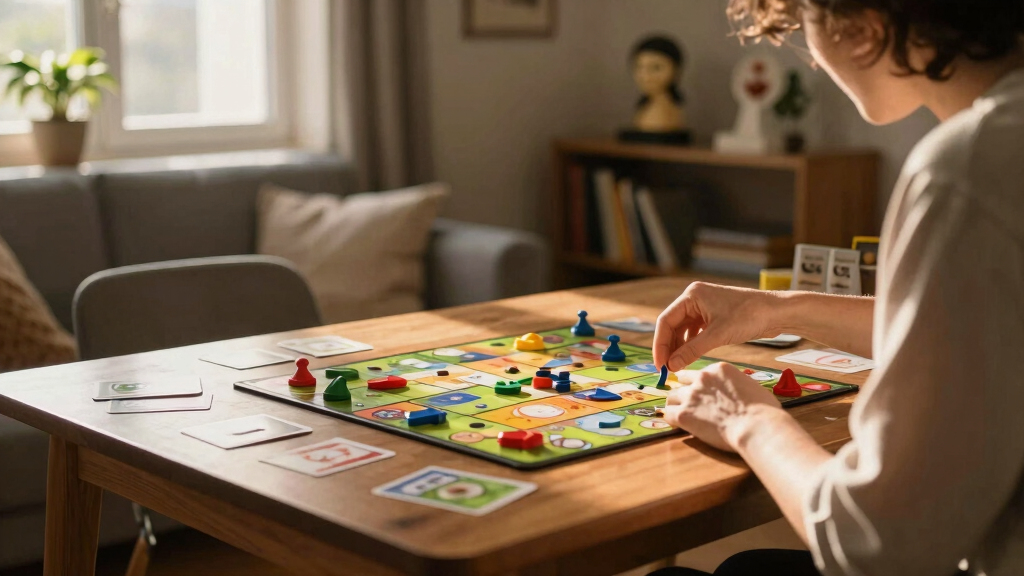
Our selection process prioritized games that explicitly incorporate psychological themes, ensuring they offer engaging mechanics related to mental processes, deduction, or social interaction. We looked for a balance of gameplay depth, player count flexibility, and thematic relevance, choosing options suitable for different group sizes and experience levels. Each game was evaluated on clarity of rules, replayability, and how well it captures psychological aspects, whether through strategy, cooperation, or party dynamics. We also considered user reviews and popularity within the niche to ensure these picks resonate with players interested in psychology-themed experiences.
| psychology-themed board game | Included Components |
|---|---|
| Unconscious Mind | Euro-Style | Meeting Board, Map Board, Insight Dials, Client Cards, Dream Cards, Tokens, Standee, Dispenser, Goal Tiles, Rulebooks |
| The Mind | Cards |
| Four Humours | — |
| CMYK Wavelength: The Mind Read | — |
Factors to Consider When Choosing Psychology-themed Board Games
Choosing the right psychology-themed game involves considering your group’s size, gameplay preferences, and desired complexity. Whether you prefer deep strategy, cooperative social play, deduction, or party fun, understanding the core mechanics and thematic focus will help you select the best fit. This guide breaks down key factors to consider, including game complexity, player count, replayability, and thematic relevance, to match your needs effectively.Game Mechanics and Complexity
Decide whether you want a game with deep strategic mechanics like Unconscious Mind, which demands planning and long-term thinking, or a lighter, quicker experience such as The Mind or Wavelength. Consider the learning curve and how much time you want to spend mastering rules versus playing. Complex deduction or worker placement games appeal to seasoned players, while party or cooperative games suit casual groups better.
Group Size and Player Interaction
The size of your group influences your choice. Wavelength handles larger groups comfortably, making it ideal for parties, whereas The Mind is limited to smaller groups, focusing on intimate social interaction. Unconscious Mind accommodates a wider range of players, but its complexity may limit accessibility for some. Match your game to your typical group size and desired interaction level.
Replayability and Theme
For those who value replayability, Four Humours offers modular setups and multiple modes, providing variety over time. The thematic elements—psychological, historical, or social—should resonate with your interests. A game like Unconscious Mind delivers thematic depth, while The Mind and Wavelength focus more on social mechanics than story.
Frequently Asked Questions
What age group are psychology-themed board games suitable for?
Most of these games are suitable for a broad age range, typically starting from around 10 or 12 years old, depending on the complexity. The Mind is great for families with teens, while Unconscious Mind is better suited for older players due to its strategic depth. Always check the recommended minimum age to ensure the game matches your group’s maturity and skills.
Are psychology-themed games good for educational purposes?
Yes, many of these games can serve as engaging tools for learning about psychological concepts, social dynamics, and deduction. For example, Unconscious Mind explores early psychoanalytic ideas, while Four Humours offers historical insights combined with strategic deduction. They can promote critical thinking, emotional intelligence, and collaborative skills in a fun setting.
Can these games be played with larger groups?
Yes, games like Wavelength are designed for larger groups, sometimes accommodating 12 or more players, making them perfect for parties or team-building events. Others, like The Mind, are limited to smaller groups, which might restrict their use in bigger gatherings. Always check the player count specifications to match your needs.
Which game is best for someone new to psychology-themed board games?
The Mind makes an excellent starting point due to its simple rules and social focus, making it accessible for newcomers. Conversely, Unconscious Mind offers richer mechanics but requires more familiarity with strategic gameplay. Choose based on your experience level and desired complexity.
How important is game replayability in choosing a psychology-themed game?
Replayability is a key factor if you want your game investment to last. Games like Four Humours with modular components and multiple modes are designed for repeated play, providing fresh challenges each time. Simpler games may feel repetitive after a while, but their quick setup and light mechanics make them excellent for casual, frequent play.
Conclusion
For dedicated gamers and those interested in strategic, thematic experiences, Unconscious Mind offers depth and complexity. Families, casual players, or groups seeking quick, social fun will find The Mind or Wavelength more suitable. If you enjoy deduction and replayability with historical flair, Four Humours is an excellent choice. Ultimately, match your game to your group’s size, experience, and interest in psychological themes to get the best experience.
Halloween Picks
halloween
As an affiliate, we earn on qualifying purchases.