

The best self-help book for mental health overall is The Dialectical Behavior Therapy Skills Workbook, because it turns clinically validated DBT techniques into structured exercises a reader can practice without a therapist. Two other standouts: The Mindful Self-Compassion Workbook, which excels at addressing harsh self-criticism, and The Body Keeps the Score, the strongest choice for understanding trauma’s physical roots. The main tradeoff in this category is between evidence-based workbooks that demand active participation and more accessible motivational reads that feel inspiring but deliver fewer lasting tools. Price rarely separates these books — most cost under $20 — so the real decision is matching a book’s approach to your specific struggle, whether that’s anxiety, overthinking, trauma, or low mood. Keep reading for the full breakdown of all 15 picks.

Turn your wind-down time into listening time
- Thousands of audiobooks, podcasts and originals
- Listen on your phone, tablet or Echo — also offline
- Cancel anytime
Key Takeaways
- Workbooks with structured exercises (the DBT Skills Workbook, Mind Over Mood, Mindful Self-Compassion Workbook) consistently deliver more lasting change than motivational reads, but they only work if you actually do the exercises.
- Three of the fifteen books target overthinking directly (Stop Overthinking, The Art of Letting Go, Stop Letting Everything Affect You), making that the most crowded sub-niche — the differentiator is tone and depth, not topic.
- The blunt, profanity-titled books (Unfu*k Yourself, The Subtle Art, Unfuck Your Brain) skew toward readers who find gentle therapeutic language off-putting, but they trade nuance for attitude.
- Trauma-focused picks split into two camps: The Body Keeps the Score explains the science, while It Didn’t Start with You and Unfuck Your Brain focus on what to do about it.
- The Let Them Theory is the most polarizing entry — hugely popular and easy to apply, but built on one simple idea stretched across a full book.
| The Mindful Self-Compassion Workbook: A Proven Way to Accept Yourself, Build Inner Strength, and Thrive |  | Best Overall | Authors: Kristin Neff, PhD and Christopher Germer, PhD | Format: Paperback workbook with fill-in exercises | Length: Approximately 303 pages | VIEW LATEST PRICE | See Our Full Breakdown |
| Stop Letting Everything Affect You: How to Break Free from Overthinking, Emotional Chaos, and Self-Sabotage | 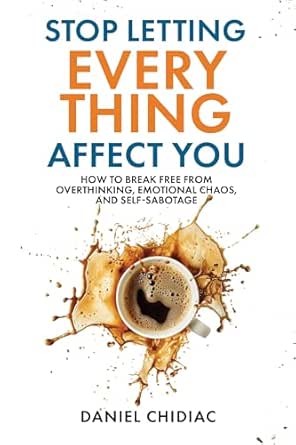 | Best Value Pick | Format: Paperback and Kindle editions | Focus areas: Overthinking, emotional regulation, self-sabotage | Tone: Direct and accessible | VIEW LATEST PRICE | See Our Full Breakdown |
| Stop Overthinking: 23 Techniques to Relieve Stress, Stop Negative Spirals, Declutter Your Mind, and Focus on the Present |  | Best for Beginners | Format: Paperback, Kindle, and audiobook | Structure: 23 numbered, standalone techniques | Focus areas: Overthinking, stress relief, mental decluttering, present-focus | VIEW LATEST PRICE | See Our Full Breakdown |
| Unfu*k Yourself: Get Out of Your Head and into Your Life |  | Best for Motivation | Author: Gary John Bishop | Format: Hardcover, paperback, Kindle, audiobook | Length: Approximately 224 pages | VIEW LATEST PRICE | See Our Full Breakdown |
| It Didn’t Start with You: How Inherited Family Trauma Shapes Who We Are and How to End the Cycle |  | Best for Deep Healing | Author: Mark Wolynn | Format: Paperback, hardcover, Kindle, audiobook | Length: Approximately 272 pages | VIEW LATEST PRICE | See Our Full Breakdown |
| The Dialectical Behavior Therapy Skills Workbook: Practical DBT Exercises for Learning Mindfulness, Interpersonal Effectiveness, Emotion Regulation, and Distress Tolerance |  | Best Structured Skills Workbook | Format: Paperback workbook | Therapy Approach: Dialectical Behavior Therapy (DBT) | Core Skill Areas: Mindfulness, Interpersonal Effectiveness, Emotion Regulation, Distress Tolerance | VIEW LATEST PRICE | See Our Full Breakdown |
| Don’t Believe Everything You Think: Why Your Thinking Is The Beginning & End Of Suffering |  | Best for Shifting Your Relationship With Thoughts | Format: Paperback / Kindle / Audiobook | Approach: Philosophical, thought-inquiry based | Focus Areas: Overthinking, rumination, belief questioning | VIEW LATEST PRICE | See Our Full Breakdown |
| Mind Over Mood: Change How You Feel by Changing the Way You Think |  | Best for Cognitive Restructuring | Format: Paperback workbook | Therapy Approach: Cognitive Behavioral Therapy (CBT) | Core Technique: Thought records and cognitive restructuring | VIEW LATEST PRICE | See Our Full Breakdown |
| The Happiness Trap (Second Edition): How to Stop Struggling and Start Living |  | Best for Acceptance-Based Change | Format: Paperback / Kindle / Audiobook | Edition: Second edition (updated) | Therapy Approach: Acceptance and Commitment Therapy (ACT) | VIEW LATEST PRICE | See Our Full Breakdown |
| The Body Keeps the Score: Brain, Mind, and Body in the Healing of Trauma |  | Best for Understanding Trauma | Format: Paperback / Hardcover / Kindle / Audiobook | Category: Trauma psychology and education | Author Background: Psychiatrist and trauma researcher | VIEW LATEST PRICE | See Our Full Breakdown |
| You Are Not a Rock: A Step-by-Step Guide to Better Mental Health (for Humans) |  | Best Structured Beginner Path | Format: Paperback | Publisher: Penguin Life | Genre: Self-help / Mental health | VIEW LATEST PRICE | See Our Full Breakdown |
| The Art of Letting Go: Stop Overthinking, Stop Negative Spirals, and Find Emotional Freedom |  | Best for Overthinkers on a Budget | Format: Paperback / Kindle | Genre: Self-help / Emotional wellness | Focus: Overthinking and negative spirals | VIEW LATEST PRICE | See Our Full Breakdown |
| The Let Them Theory: A Life-Changing Tool That Millions of People Can’t Stop Talking About | 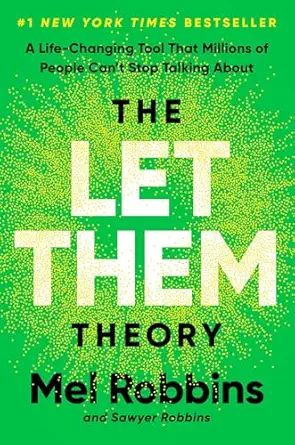 | Best for Relationship-Driven Anxiety | Format: Hardcover / Paperback / Audiobook | Publisher: Hay House | Genre: Self-help / Relationships | VIEW LATEST PRICE | See Our Full Breakdown |
| The Subtle Art of Not Giving a F*ck: A Counterintuitive Approach to Living a Good Life |  | Best Motivational Reality Check | Format: Paperback / Hardcover / Audiobook / eBook | Publisher: HarperOne | Genre: Self-help / Personal development | VIEW LATEST PRICE | See Our Full Breakdown |
| Unfuck Your Brain: Getting Over Anxiety, Depression, Anger, Freak-Outs, and Triggers with Science |  | Best Science-Backed Toolkit | Format: Paperback | Publisher: Microcosm Publishing | Genre: Self-help / Mental health | VIEW LATEST PRICE | See Our Full Breakdown |
| self-help books for mental health | Format | Approach |
|---|---|---|
| The Mindful Self-Compassion Wo | Paperback workbook with fill-in exercises | Mindfulness-based self-compassion (MSC) |
| Stop Letting Everything Affect | Paperback and Kindle editions | Practical strategies and mindset shifts |
| Stop Overthinking: 23 Techniqu | Paperback, Kindle, and audiobook | Practical technique-based, mindfulness-informed |
| Unfu*k Yourself: Get Out of Yo | Hardcover, paperback, Kindle, audiobook | Tough-love personal accountability and self-talk |
| It Didn’t Start with You: How | Paperback, hardcover, Kindle, audiobook | Family constellations and inherited-trauma therapy |
| The Dialectical Behavior Thera | Paperback workbook | — |
| Don’t Believe Everything You T | Paperback / Kindle / Audiobook | Philosophical, thought-inquiry based |
| Mind Over Mood: Change How You | Paperback workbook | — |
| The Happiness Trap | Paperback / Kindle / Audiobook | — |
| The Body Keeps the Score: Brai | Paperback / Hardcover / Kindle / Audiobook | — |
| You Are Not a Rock: A Step-by- | Paperback | Practical strategies and insights |
| The Art of Letting Go: Stop Ov | Paperback / Kindle | Practical letting-go strategies |
| The Let Them Theory: A Life-Ch | Hardcover / Paperback / Audiobook | — |
| The Subtle Art of Not Giving a | Paperback / Hardcover / Audiobook / eBook | — |
| Unfuck Your Brain: Getting Ove | Paperback | Science-based strategies and exercises |
More Details on Our Top Picks
The Mindful Self-Compassion Workbook: A Proven Way to Accept Yourself, Build Inner Strength, and Thrive
This pick earns the top spot because it does something most self-help books avoid: it makes you do the work. Built on Kristin Neff’s research-backed self-compassion framework, it functions as a structured program rather than passive reading. Compared with Stop Overthinking, which offers quick standalone techniques, this workbook demands sustained engagement across weeks — and that’s exactly why the results tend to stick. Readers who found Unfu*k Yourself motivating but short on follow-through will appreciate the guided exercises here. The tradeoff is real, though: it requires actual pen-on-paper effort, and anyone hoping for inspiration alone will stall out by chapter three.
Pros:- Grounded in published clinical research on self-compassion
- Structured exercises produce measurable progress over time
- Builds lasting emotional resilience rather than temporary relief
- Written by the researcher who developed the underlying framework
Cons:- Demands active, sustained participation to see benefits
- Pace is slower than technique-list style books like Stop Overthinking
Best for: Readers dealing with harsh self-criticism who are willing to commit to structured written exercises over several weeks
Not ideal for: Anyone wanting a quick motivational read — this is a working workbook, not a passive page-turner
- Authors:Kristin Neff, PhD and Christopher Germer, PhD
- Format:Paperback workbook with fill-in exercises
- Length:Approximately 303 pages
- Publisher:The Guilford Press
- Approach:Mindfulness-based self-compassion (MSC)
- Reading style:Active workbook, chapter-by-chapter practice
- Evidence base:Backed by Neff’s peer-reviewed research
Our verdict“Buy this if you want a research-based program you actually work through rather than read once and shelve.”
Stop Letting Everything Affect You: How to Break Free from Overthinking, Emotional Chaos, and Self-Sabotage
Priced well below the clinical workbooks in this roundup, this title delivers solid emotional-management strategies without the textbook cost. Where The Mindful Self-Compassion Workbook asks you to slow down and reflect, this book moves fast, targeting overthinking and self-sabotage with direct, actionable advice. It sits somewhere between the technique-list format of Stop Overthinking and the blunt tone of Unfu*k Yourself, but with a gentler voice. The honest tradeoff: it’s a newer release with less track record than the established bestsellers here, and its strategies overlap heavily with cheaper library alternatives. As a low-risk entry point, though, it outperforms its price tag.
Pros:- Lower price point than most workbook-style alternatives
- Covers overthinking, emotional chaos, and self-sabotage in one volume
- Direct, accessible writing without jargon
- Actionable advice you can apply immediately
Cons:- Newer title with a limited review history compared to established bestsellers
- Overlaps significantly with other books in this roundup without a distinct methodology
Best for: Budget-conscious readers who want broad emotional-resilience strategies without paying clinical-workbook prices
Not ideal for: Readers who prioritize proven, long-established frameworks — this lacks the research pedigree of Germer or Mark Wolynn’s work
- Format:Paperback and Kindle editions
- Focus areas:Overthinking, emotional regulation, self-sabotage
- Tone:Direct and accessible
- Approach:Practical strategies and mindset shifts
- Experience level:Beginner-friendly
- Price tier:Budget
Our verdict“A sensible budget entry point for general emotional overwhelm, as long as you’re not seeking a research-backed system.”
Stop Overthinking: 23 Techniques to Relieve Stress, Stop Negative Spirals, Declutter Your Mind, and Focus on the Present
This is the book I’d hand someone who has never read a self-help title before. The numbered-technique format — 23 discrete tools — means you can open any chapter and get something usable in ten minutes, with no prior psychology knowledge required. Compared with The Mindful Self-Compassion Workbook, it trades depth for immediate accessibility, and compared with It Didn’t Start with You, it skips theory entirely. That skimmability is also its weakness: the techniques are effective but lightly explained, so readers with persistent anxiety or trauma-rooted rumination will likely need something meatier. As a first step or a refresher, it’s hard to beat the format.
Pros:- 23 standalone techniques — usable in any order, one at a time
- No psychology background needed to follow along
- Especially effective for stress and negative thought spirals
- Short chapters suit short attention spans
Cons:- Techniques are explained briefly, without deeper scientific grounding
- Doesn’t address underlying causes the way It Didn’t Start with You does
Best for: First-time self-help readers who want quick, standalone techniques they can apply without any background knowledge
Not ideal for: Readers with deep-seated anxiety patterns or trauma — the surface-level treatment won’t reach the root causes
- Format:Paperback, Kindle, and audiobook
- Structure:23 numbered, standalone techniques
- Focus areas:Overthinking, stress relief, mental decluttering, present-focus
- Experience level:Beginner
- Approach:Practical technique-based, mindfulness-informed
- Reading commitment:Low — skimmable in short sessions
Our verdict“The easiest on-ramp into mental-health reading — grab it for fast relief, graduate to a workbook when you’re ready.”
Unfu*k Yourself: Get Out of Your Head and into Your Life
Where most books in this roundup soothe, this one shoves. Its tough-love voice is designed to break through inertia and self-pity, making it the strongest motivational jolt on the list. Readers who find the gentle tone of The Mindful Self-Compassion Workbook too soft may respond better to this confrontational style, which shares a shelf with The Subtle Art of Not Giving a F*ck but stays more tightly focused on self-talk. The tradeoffs are genuine: there’s little clinical evidence cited, the language will alienate some readers, and the motivational high can fade once the book ends. Think of it as a starting pistol, not a training plan.
Pros:- Highly motivating voice that cuts through excuses quickly
- Short, punchy chapters readable in one or two sittings
- Proven bestseller with a large, established reader base
- Focused on actionable self-talk shifts rather than vague theory
Cons:- Frequent strong language that many readers will find off-putting
- Minimal scientific backing compared to research-based picks here
- Motivational effect tends to be short-lived without follow-up practice
Best for: Readers stuck in self-sabotage and inertia who respond better to blunt, confrontational coaching than gentle guidance
Not ideal for: Sensitive readers or those in acute distress — the profanity and tough-love tone can feel punishing rather than helpful
- Author:Gary John Bishop
- Format:Hardcover, paperback, Kindle, audiobook
- Length:Approximately 224 pages
- Publisher:HarperOne
- Approach:Tough-love personal accountability and self-talk
- Tone:Blunt, confrontational, profanity present
- Reading commitment:Low — readable in one sitting
Our verdict“Choose this for a blunt kick into action — skip it if you need evidence-based methods or a gentler touch.”
It Didn’t Start with You: How Inherited Family Trauma Shapes Who We Are and How to End the Cycle
This is the most intellectually ambitious pick in the lineup. Mark Wolynn’s exploration of inherited family trauma gives readers a framework for understanding patterns that technique-based books simply can’t touch — if you’ve tried Stop Overthinking and the spirals keep returning, this book explains why the roots may run generations deep. It complements The Body Keeps the Score but is more practical and prescriptive, including exercises like genogram work and Core Language mapping. The costs: it assumes some familiarity with psychological concepts, can be emotionally heavy going, and isn’t a quick-fix format. This is for readers ready to do serious investigative work on their history, not shoppers after stress hacks.
Pros:- Presents a rarely-covered angle: multigenerational trauma transmission
- Includes concrete tools like genograms and Core Language maps
- Well-researched with case studies throughout
- Explains persistent patterns that technique-focused books miss
Cons:- Assumes some baseline familiarity with psychological concepts
- Emotionally heavy material that can overwhelm readers in fragile states
- Not structured for quick, incremental relief
Best for: Readers who suspect their anxiety, depression, or behavior patterns trace back through their family line and want a framework for addressing it
Not ideal for: Casual readers or those in acute crisis who need immediate coping tools — the material is dense and emotionally demanding
- Author:Mark Wolynn
- Format:Paperback, hardcover, Kindle, audiobook
- Length:Approximately 272 pages
- Publisher:Penguin Books
- Approach:Family constellations and inherited-trauma therapy
- Tools included:Genogram exercises, Core Language Map
- Experience level:Intermediate to advanced
- Reading commitment:High — dense, reflective material
Our verdict“The clear choice if surface-level techniques haven’t held and you’re ready to examine the family roots of your struggles.”
The Dialectical Behavior Therapy Skills Workbook: Practical DBT Exercises for Learning Mindfulness, Interpersonal Effectiveness, Emotion Regulation, and Distress Tolerance
This pick makes the most sense for readers who want a structured, curriculum-style approach rather than passive reading. Where The Happiness Trap introduces concepts and lets you apply them loosely, this workbook walks through the four pillars of DBT — mindfulness, emotion regulation, distress tolerance, and interpersonal effectiveness — with exercises you actually complete on the page. That structure is the whole point: for anyone struggling with intense emotions or impulsive reactions, a worksheet-driven format turns abstract advice into repeatable skills. Compared with Mind Over Mood, which leans heavily on cognitive restructuring, this option covers a broader behavioral toolkit.
The tradeoff is effort. This is closer to a self-administered therapy course than a book you read in a weekend, and readers wanting motivation or narrative storytelling will stall quickly.
Pros:- Four complete DBT skill modules covering emotions, relationships, mindfulness, and crisis tolerance
- Truly exercise-driven — skills are practiced, not just read about
- Clinically grounded in a therapy model with strong evidence for emotional regulation
- Works as a companion to actual therapy or a standalone self-directed program
Cons:- Demanding format requires sustained effort; many readers abandon workbooks halfway
- Dense and clinical in tone compared to more conversational picks like Unfu*k Yourself
- No quick-fix appeal — benefits build gradually over weeks of practice
Best for: Readers dealing with emotional overwhelm, mood swings, or relationship conflict who want homework-style exercises and are willing to put in consistent work
Not ideal for: Casual readers seeking an inspirational or narrative-driven book — the worksheet format will feel like a slog without real commitment
- Format:Paperback workbook
- Therapy Approach:Dialectical Behavior Therapy (DBT)
- Core Skill Areas:Mindfulness, Interpersonal Effectiveness, Emotion Regulation, Distress Tolerance
- Structure:Exercise and worksheet driven
- Reading Style:Clinical, instructional
- Time Commitment:High — designed for ongoing practice
- Best Use:Self-directed skill building or therapy companion
Our verdict“The strongest choice for readers who genuinely want to do the work of building coping skills, not just read about them.”
Don’t Believe Everything You Think: Why Your Thinking Is The Beginning & End Of Suffering
Where most books in this roundup try to change what you think, this one asks a different question: what if you simply stopped believing your thoughts? That framing sets it apart from Mind Over Mood, which works to actively dispute and reframe negative thinking. Here, the approach is closer to detachment — observing thoughts rather than arguing with them. For readers exhausted by constant mental chatter and overthinking, that perspective shift can land powerfully, and it pairs well with lighter picks like Stop Overthinking for readers who want a philosophical layer beneath the tactical advice.
The tradeoff is depth of practicality. There are few structured exercises, and readers who want step-by-step techniques will finish it feeling inspired but unsure what to actually do. It reads fast, which is both its appeal and its limitation.
Pros:- Offers a genuinely different lens: questioning thoughts rather than fighting them
- Short and readable — accessible to people who rarely finish self-help books
- Strong fit for overthinking and rumination specifically
- Encourages lasting self-reflection rather than quick tactical fixes
Cons:- Light on structured exercises compared to the DBT workbook or Mind Over Mood
- Abstract tone may frustrate action-oriented readers
- Concepts can feel repetitive across chapters
Best for: Chronic overthinkers who feel trapped by their own mental narratives and want a short, philosophical read that reframes how they relate to thoughts
Not ideal for: Readers who need concrete exercises and protocols — the abstract, ideas-first approach leaves practical application largely to you
- Format:Paperback / Kindle / Audiobook
- Approach:Philosophical, thought-inquiry based
- Focus Areas:Overthinking, rumination, belief questioning
- Exercise Content:Minimal — insight driven
- Reading Style:Conversational, abstract
- Time Commitment:Low — short book
- Best Use:Perspective shift and mental reframing
Our verdict“A fast, perspective-shifting read for overthinkers — but pair it with a workbook if you want tools, not just insight.”
Mind Over Mood: Change How You Feel by Changing the Way You Think
This option stands out as the most focused CBT tool in the lineup. Rather than the broad emotional-behavioral curriculum of The DBT Skills Workbook, it hones in on one core mechanism: identifying the thoughts that drive your moods and systematically rewriting them with worksheets. For readers whose primary struggle is depression, anxiety, or persistent negative self-talk, that narrow focus is a feature, not a limitation — you get repeated, deliberate practice on exactly the skill that matters. The thought records alone make it a frequent therapist recommendation for between-session work.
Compared with Don’t Believe Everything You Think, this is the hands-on counterpart: same territory, but with a clipboard instead of philosophy. The tradeoff is that it’s dry and repetitive by design, and readers dealing with trauma or emotional dysregulation rather than distorted thinking will find it misses the mark.
Pros:- Focused, evidence-based CBT method widely recommended by therapists
- Thought-record worksheets deliver a repeatable, concrete technique
- Highly targeted at mood and anxiety symptoms
- Structured enough to double as therapy homework
Cons:- Dry, clinical presentation — little narrative to keep unmotivated readers engaged
- Repetitive by design, which some find tedious
- Narrow scope: weak fit for trauma or behavioral issues
Best for: Readers with anxiety, depression, or negative thought spirals who want a proven CBT worksheet method for identifying and changing distorted thinking
Not ideal for: Readers processing trauma or intense emotional dysregulation — cognitive restructuring alone won’t address those needs; The Body Keeps the Score or the DBT workbook fit better
- Format:Paperback workbook
- Therapy Approach:Cognitive Behavioral Therapy (CBT)
- Core Technique:Thought records and cognitive restructuring
- Structure:Worksheet driven, step-by-step
- Reading Style:Clinical, practical
- Time Commitment:Moderate to high — ongoing worksheet practice
- Best Use:Anxiety, depression, and negative thought patterns
Our verdict“The go-to pick if distorted thinking is your core struggle and you want a proven worksheet method over inspiration.”
The Happiness Trap (Second Edition): How to Stop Struggling and Start Living
This pick occupies a distinctive middle ground in the roundup: more readable and warm than the clinical workbooks, yet more substantive than motivational titles like Unfu*k Yourself. Built on Acceptance and Commitment Therapy (ACT), it argues that chasing constant happiness is itself the problem, and teaches readers to make room for difficult feelings while acting on personal values. Compared with Mind Over Mood, which battles negative thoughts head-on, this approach asks you to defuse from them — a strategy that resonates with readers who’ve already tried arguing with their brains and lost. The updated second edition adds sharper exercises and new material on mindfulness.
The honest tradeoff: ACT concepts like cognitive defusion feel counterintuitive at first, and progress requires patient practice rather than immediate relief. It sits between a book you read and a workbook you do — and works best for readers willing to inhabit that space.
Pros:- Accessible, humorous writing that keeps readers engaged where clinical workbooks lose them
- ACT framework is evidence-based and well-suited to chronic strugglers
- Second edition includes updated exercises and mindfulness material
- Balances insight with practical techniques better than purely philosophical picks
Cons:- ACT concepts like defusion are counterintuitive and slow to click
- Results require sustained practice over weeks
- Not a structured workbook — less rigorous than Mind Over Mood for skill drilling
Best for: Readers who feel stuck fighting their own emotions and want a values-based, acceptance-oriented approach delivered in an engaging style
Not ideal for: Readers wanting rapid, tactical symptom relief — the ACT mindset takes weeks to internalize and won’t satisfy anyone seeking quick techniques
- Format:Paperback / Kindle / Audiobook
- Edition:Second edition (updated)
- Therapy Approach:Acceptance and Commitment Therapy (ACT)
- Core Concepts:Cognitive defusion, acceptance, values-based living, mindfulness
- Reading Style:Engaging, conversational with exercises
- Time Commitment:Moderate — concepts require ongoing practice
- Best Use:Emotional struggle, avoidance, and feeling stuck
Our verdict“The best choice for readers tired of fighting their feelings who want an engaging, values-driven path forward.”
The Body Keeps the Score: Brain, Mind, and Body in the Healing of Trauma
This is the definitive trauma education title in this roundup, and it plays a different role entirely than the skill-building picks. Where The DBT Skills Workbook and Mind Over Mood teach coping techniques, this book explains why trauma behaves the way it does — how it reshapes the brain, nervous system, and body, and why talk alone often isn’t enough. For readers who suspect their anxiety, numbness, or reactivity has deeper roots, that understanding can be genuinely transformative, and it pairs naturally with It Didn’t Start with You for readers exploring inherited family trauma. The survey of treatments from EMDR to yoga and theater gives readers a map of what to seek out professionally.
The tradeoff is real: it’s long, dense, and at times harrowing, with case histories that can be triggering. It offers education and direction, not a self-help program — readers expecting exercises should look elsewhere in this list.
Pros:- Widely regarded as the authoritative popular book on trauma’s mind-body effects
- Grounded in decades of clinical research and neuroscience
- Surveys multiple treatment paths, helping readers choose professional care wisely
- Validating for survivors who’ve never understood their own reactions
Cons:- Dense, lengthy, and academic in stretches — a real commitment to finish
- Graphic case histories can be activating for vulnerable readers
- Educational rather than practical — no self-directed program inside
Best for: Trauma survivors and their loved ones who want a research-backed understanding of how trauma works and which treatments actually help
Not ideal for: Readers wanting practical exercises or a quick mood boost — it’s long, scientifically dense, and contains vivid case material that can be distressing
- Format:Paperback / Hardcover / Kindle / Audiobook
- Category:Trauma psychology and education
- Author Background:Psychiatrist and trauma researcher
- Core Topics:Neuroscience of trauma, body-based healing, treatment options including EMDR
- Reading Style:Narrative nonfiction with clinical depth
- Time Commitment:High — lengthy and dense
- Best Use:Understanding trauma and choosing treatment paths
Our verdict“Essential reading for understanding trauma before healing it — but it’s a map, not a workbook, and readers should know that going in.”
You Are Not a Rock: A Step-by-Step Guide to Better Mental Health (for Humans)
You Are Not a Rock earns its place by doing something most self-help titles skip: it sequences the work. Rather than handing readers a pile of techniques and wishing them luck, this book lays out a step-by-step progression that mirrors how a person actually improves — understand the problem, build a skill, practice, repeat. Compared with Unfuck Your Brain, which is denser and more science-forward, this one stays lighter and more conversational, which makes it a friendlier entry point for someone who has never picked up a mental health book before. The tradeoff is depth. Readers already familiar with CBT basics or working through The Dialectical Behavior Therapy Skills Workbook may find the guidance too general, and the book doesn’t include the worksheets or structured exercises that workbooks in this roundup provide.
Pros:- Genuinely sequential structure builds skills in a logical order
- Accessible, non-clinical tone for general readers
- Broad coverage of everyday mental health challenges
- Low commitment — approachable for reluctant readers
Cons:- Lacks worksheets and interactive tools found in workbook-style competitors
- Content depth is limited for readers past the beginner stage
Best for: First-time self-help readers who want a clear, ordered path rather than a menu of disconnected tips
Not ideal for: Experienced readers or those with diagnosed conditions who need clinical-grade exercises and deeper technique
- Format:Paperback
- Publisher:Penguin Life
- Genre:Self-help / Mental health
- Structure:Step-by-step guide
- Audience Level:Beginner
- Approach:Practical strategies and insights
Our verdict“Buy this if you want a guided on-ramp into mental health self-help; skip it if you’ve already outgrown introductory material.”
The Art of Letting Go: Stop Overthinking, Stop Negative Spirals, and Find Emotional Freedom
Where Stop Overthinking offers 23 discrete techniques, The Art of Letting Go takes a single theme — releasing the mental clutter that fuels rumination — and builds an entire book around it. That narrowness is its strength: chronic overthinkers who don’t want another index of tricks get a sustained argument for why letting go works and how to practice it daily. The writing leans practical rather than spiritual, which separates it from looser ‘mindfulness-adjacent’ titles. The honest drawback is credibility and polish — as a newer, lesser-known release, it lacks the reader track record of established rivals like Don’t Believe Everything You Think, and the prose can feel thin in sections where a more developed book would go deeper. Still, for the price, it delivers a focused emotional decluttering framework that more expensive titles bury under extra chapters.
Pros:- Single-theme focus suits chronic overthinkers
- Affordable compared with workbook-style alternatives
- Practical daily strategies rather than abstract theory
- Promotes calm and mental clarity without jargon
Cons:- Limited reader reviews make quality harder to verify
- Less depth than better-known titles in the same niche
Best for: Budget-conscious readers trapped in rumination cycles who want one focused method, not a technique catalog
Not ideal for: Readers who want established, widely reviewed authors or clinically grounded frameworks
- Format:Paperback / Kindle
- Genre:Self-help / Emotional wellness
- Focus:Overthinking and negative spirals
- Approach:Practical letting-go strategies
- Audience Level:General
- Tone:Practical, non-spiritual
Our verdict“A low-risk, low-cost pick for overthinking specifically — choose it over broader titles if rumination is your one real problem.”
The Let Them Theory: A Life-Changing Tool That Millions of People Can’t Stop Talking About
Most books in this roundup treat mental health as an internal project; The Let Them Theory starts from the outside in, arguing that much of our distress comes from trying to control other people’s opinions and behavior. Its single-tool framework — let people be who they are, and reclaim your energy — is refreshingly simple compared with the multi-skill demands of The Dialectical Behavior Therapy Skills Workbook. That simplicity is why it has resonated with millions, and why it works especially well for people whose anxiety spikes around family, coworkers, or social judgment. The tradeoff is obvious: one tool, however powerful, can’t address depression, trauma, or clinical anxiety the way Unfuck Your Brain attempts to. Readers dealing with grief, past trauma, or mood disorders will find it light on internal work, and the enthusiastic marketing tone may raise expectations the content can’t fully meet.
Pros:- Single memorable framework that’s easy to apply immediately
- Massive reader base with extensive word-of-mouth validation
- Directly targets relationship and approval-driven stress
- Fast, engaging read
Cons:- One tool can’t substitute for broader mental health work
- Hype may set expectations the content can’t match
Best for: People whose stress centers on other people — approval-seeking, boundary struggles, social anxiety
Not ideal for: Readers with depression, trauma histories, or internal struggles that have little to do with others’ opinions
- Format:Hardcover / Paperback / Audiobook
- Publisher:Hay House
- Genre:Self-help / Relationships
- Core Concept:The Let Them Theory
- Audience Level:General
- Best Format:Audiobook widely praised
Our verdict“Pick this if your mental load is mostly about other people; pick something broader if the struggle is internal.”
The Subtle Art of Not Giving a F*ck: A Counterintuitive Approach to Living a Good Life
If The Let Them Theory is a gentle reframing tool, The Subtle Art of Not Giving a Fck is a blunt-force argument that caring about everything is the actual disease. Mark Manson’s counterintuitive pitch — values and priorities matter more than positivity — makes this the roundup’s best choice for readers allergic to soft-spoken self-help. It’s the funniest book here by a wide margin, and humor is doing real work: it lowers defenses enough for hard truths about entitlement and avoidance to land. Compared with Unfuk Yourself, which covers similar tough-love ground with more affirmational structure, this book offers philosophy over exercises. That’s the drawback — there are no worksheets, no techniques, no practice plan. The profanity-laced style also polarizes; readers seeking gentle, trauma-informed language (as in The Mindful Self-Compassion Workbook) should pass entirely.
Pros:- Highly engaging, humorous writing keeps reluctant readers turning pages
- Challenges feel-good clichés with substantive arguments
- Strong on values clarification and priority-setting
- Widely proven bestseller with broad cultural discussion
Cons:- Purely philosophical — no exercises or actionable toolkit
- Language and tone will actively alienate some readers
Best for: Skeptical readers who find traditional self-help preachy and want a funny, blunt push to reprioritize
Not ideal for: Readers sensitive to crude language, or anyone wanting structured exercises over philosophical essays
- Format:Paperback / Hardcover / Audiobook / eBook
- Publisher:HarperOne
- Genre:Self-help / Personal development
- Style:Blunt, humorous essays
- Exercises Included:No
- Audience Level:General adult
Our verdict“The right pick if you want perspective and a kick in the pants, not a workbook — skip it if you need structure or gentle tone.”
Unfuck Your Brain: Getting Over Anxiety, Depression, Anger, Freak-Outs, and Triggers with Science
Unfuck Your Brain sits at the intersection this roundup rarely hits: casual tone, serious content. It translates neuroscience and trauma research into plain language, covering anxiety, depression, anger, and triggers with practical exercises for emotional regulation — a wider symptom range than The Let Them Theory or The Art of Letting Go, which each tackle one problem. Compared with The Body Keeps the Score, which explains the science of trauma brilliantly but offers the reader little to do, this book is relentlessly actionable. The casual, sweary voice makes it feel like a knowledgeable friend rather than a clinician, which fans of The Subtle Art of Not Giving a F*ck will appreciate — though readers wanting formal clinical rigor should lean toward The Dialectical Behavior Therapy Skills Workbook instead. It’s also more survey than deep dive; each condition gets competent coverage, but none gets exhaustive treatment.
Pros:- Covers multiple conditions in one accessible volume
- Grounds every strategy in science, not platitudes
- Includes actual exercises, not just explanation
- Casual tone lowers the barrier for therapy-wary readers
Cons:- Breadth comes at the cost of depth on any single condition
- Informal voice may undermine trust for clinically minded readers
Best for: Readers with mixed symptoms — anxiety plus anger, low mood plus freak-outs — who want science explained without jargon
Not ideal for: Readers needing clinical depth on one specific condition, or those put off by casual profanity
- Format:Paperback
- Publisher:Microcosm Publishing
- Genre:Self-help / Mental health
- Approach:Science-based strategies and exercises
- Conditions Covered:Anxiety, depression, anger, triggers
- Tone:Casual, direct
- Audience Level:General adult
Our verdict“The best all-purpose science-based pick here if your struggles span several symptoms and you want tools, not theory.”

How We Picked
My ranking logic starts with a simple question: will this book actually change something for the reader? That meant weighting books grounded in established therapeutic frameworks — CBT, DBT, ACT, and trauma research — more heavily than books built on personal philosophy or a single catchy concept. I also scored each book on actionability: whether it gives concrete exercises, scripts, or frameworks rather than purely motivational prose, because mental health gains come from practice, not reading.
From there, I evaluated accessibility for beginners (can someone with no therapy background pick it up and benefit?), emotional tone (some readers need warmth, others need directness), and fit to specific struggles like anxiety, overthinking, trauma, or self-criticism. Books that try to appeal to everyone generally ranked below books that solve one problem well. Finally, I factored in longevity — books that have held up across years of reader feedback earned their spots over trendier newcomers.
Factors to Consider When Choosing Self-help Books For Mental Health
Choosing a mental health book is less about finding the “best” one and more about finding the right one for what you’re dealing with. These are the factors that matter most before you buy.Match the Book to Your Specific Struggle
A book about overthinking won’t do much for unresolved childhood trauma, and a trauma-focused book can feel overwhelming if you’re mainly dealing with daily stress. The biggest mistake buyers make is grabbing the most popular title rather than the one targeting their actual symptom. Before purchasing, read the table of contents — a book’s chapter titles tell you quickly whether it addresses your situation. If you’re dealing with multiple issues, start with the one that disrupts your daily life most. Books like Mind Over Mood even include diagnostic-style self-assessments to help you identify what you’re working with. Precision here beats popularity every time.
Workbook or Narrative — Know What You’re Committing To
There’s a real difference between books you read and books you work through. Workbooks with pen-and-paper exercises have stronger evidence behind them, but they demand 15–30 minutes of active effort per chapter, and many buyers abandon them halfway. Narrative-driven books are easier to finish and can shift your perspective, but the insight often fades without practice. Be honest with yourself about your habits: if you’ve bought workbooks before and never opened them, a compelling narrative style may serve you better. The ideal approach for motivated readers is pairing one of each. Buying the format you’ll actually use matters more than buying the format that’s theoretically superior.
Evidence Base vs. Personal Philosophy
Some books are built on decades of clinical research (CBT, DBT, ACT), while others are one author’s worldview packaged attractively. Both can help, but the risk profile differs. Research-backed books tend to have predictable outcomes because their methods have been tested across thousands of patients. Personality-driven books can resonate powerfully — or miss entirely depending on whether the author’s voice clicks with you. A useful rule: for diagnosable-level anxiety or depression, lean clinical; for general dissatisfaction or stuckness, philosophy-driven books often hit harder. Check whether the author is a licensed clinician or researcher if evidence matters to you. Marketing copy rarely makes this distinction clear, so read the author bio.
Tone and Language Fit
The profanity-laced directness of Unfu*k Yourself works brilliantly for readers who find therapeutic language preachy, and terribly for readers in a fragile state who need gentleness. Similarly, highly clinical books can feel cold to someone seeking comfort, while warm, self-compassionate books can feel slow to someone who wants a push. Think about how you respond to feedback in real life — that’s usually the best predictor. Sample the first chapter before buying; most retailers and libraries offer previews. Tone mismatches are the most common reason people abandon mental health books, ahead of difficulty or length. Don’t force yourself through a voice that irritates you, no matter how well-reviewed the book is.
When a Book Isn’t Enough
Self-help books work best as supplements or first steps, not replacements for professional care. If you’re dealing with severe depression, suicidal thoughts, PTSD, or symptoms that interfere with work and relationships, a book — even an excellent one — is the wrong primary tool. Several of the books on this list, including the trauma-focused titles, explicitly recommend working alongside a therapist. That said, books serve real purposes professionals can’t: they’re private, affordable, available at 2 a.m., and can help you build vocabulary for what you’re experiencing before you ever speak to anyone. Use them to build momentum, not to avoid help. The right book plus professional support outperforms either alone.
Cost, Editions, and Format
Nearly every book in this category costs $10–$20, so price should barely factor into the decision — format matters more. Workbooks are genuinely better in physical form because you’ll write in them, and ebook versions often make the exercises awkward to complete. Audiobooks work well for narrative-driven titles but poorly for anything requiring written reflection. Watch for updated editions: The Happiness Trap’s second edition, for example, incorporates newer ACT research and is worth choosing over the original. Library access is a smart low-risk way to test whether a book’s approach suits you before committing. Buying used is fine for reading copies but defeats the purpose for workbooks.
Frequently Asked Questions
Can a self-help book actually replace therapy for mental health issues?
For mild to moderate struggles — everyday anxiety, overthinking, low self-esteem, or stress — a well-structured workbook can produce measurable improvement, and some research shows CBT-based workbooks perform comparably to brief therapy for certain conditions. But books can’t diagnose you, adapt to your responses, or notice what you’re avoiding, which is where a therapist adds real value. For severe depression, trauma, or anything involving self-harm, a book should be a supplement, never the plan. The strongest use case for these books is building skills and vocabulary before or alongside professional help. If money or access is the barrier, evidence-based workbooks like The DBT Skills Workbook are a legitimate starting point, not a consolation prize.
Should I start with a workbook or a more motivational read if I’m new to self-help?
It depends on your energy level and reading habits more than your experience. If you’re in a low-motivation state — common with depression — starting with an accessible, narrative-driven book like You Are Not a Rock or Don’t Believe Everything You Think builds momentum without demanding effort you don’t have. If you’re functioning well but stuck in specific patterns like chronic overthinking, jumping straight into a workbook uses your available energy efficiently. Many readers spiral: an inspiring read first, then a structured workbook once momentum exists. The one mistake to avoid is buying a workbook you’ll never open — that tends to become its own source of guilt.
Why are there so many similar overthinking books, and does it matter which one I pick?
Overthinking is the most commercially successful mental health topic, which is why this list alone contains three books targeting it. The differences come down to depth and tone: Stop Overthinking offers the most techniques in checklist form, The Art of Letting Go takes a more reflective, acceptance-based approach, and Stop Letting Everything Affect You blends mindset coaching with emotional regulation. If you want a quick toolkit, pick the technique-heavy option; if you want to understand why your mind clings to rumination, the acceptance-based books serve you better. They do overlap enough that buying more than one is usually unnecessary — pick by tone, not title.
Are the blunt, sweary books like Unfu*k Yourself actually effective or just popular?
They’re genuinely effective for a specific reader: someone who finds gentle therapeutic language patronizing and responds better to a drill-sergeant tone. Unfu*k Yourself draws on Acceptance and Commitment Therapy ideas even though it never names them, and Unfuck Your Brain is written by a doctor who grounds the attitude in neuroscience. The tradeoff is real, though — the direct style can feel harsh if you’re in a fragile place, and the swagger sometimes oversimplifies complex issues. Think of them as motivational delivery vehicles for legitimate concepts rather than watered-down therapy. If profanity-driven directness is what gets you to actually engage, that engagement itself has value.
Is The Body Keeps the Score too heavy if I’m just starting to explore trauma?
It’s dense, scientifically detailed, and emotionally intense — many readers find it enlightening but draining, and it’s over 400 pages of clinical case studies and neuroscience. As a first exposure to trauma work, it can be a lot, especially if your own trauma is active and raw. A gentler on-ramp is It Didn’t Start with You for inherited family patterns or Unfuck Your Brain for a practical, less academic treatment of trauma responses. That said, many trauma survivors describe The Body Keeps the Score as the first thing that made them feel understood, so heaviness isn’t universal. If you do read it, pace yourself — it works better absorbed slowly alongside other support than devoured in a weekend.
Conclusion
For most readers, The Dialectical Behavior Therapy Skills Workbook is the best overall choice — it covers the widest range of mental health skills with the strongest clinical backing, and it costs the same as any paperback. The best value pick is Stop Overthinking, which packs more practical techniques per dollar than anything else on this list. For a premium experience, The Happiness Trap (Second Edition) offers the most polished, updated, and well-supported journey through a proven therapeutic method. Beginners should start with You Are Not a Rock or Don’t Believe Everything You Think, both written for people with zero prior exposure to these ideas. For specific needs: choose The Body Keeps the Score for trauma understanding, The Mindful Self-Compassion Workbook for self-criticism, The Let Them Theory if you want one simple tool you can apply today, and Unfu*k Yourself if blunt talk is what motivates you. Whatever you choose, the book you’ll actually finish and apply beats the theoretically perfect one sitting unread on your shelf.
Fall Picks
fall essentials
As an affiliate, we earn on qualifying purchases.