

When it comes to improving mental health, self-help books can offer valuable insights, practical exercises, and emotional support. The best overall pick, “Get Out of Your Head”, provides actionable strategies to break toxic thought patterns. For those seeking to understand the roots of their struggles, “It Didn’t Start with You” offers a deep dive into inherited family trauma. Meanwhile, “The Art of Letting Go” is ideal for readers looking to overcome overthinking and emotional spirals. However, choosing the right book depends on your specific needs—whether it’s managing anxiety, building self-compassion, or learning evidence-based techniques. Keep reading for a detailed breakdown of the top choices and what makes each one unique.

Turn your wind-down time into listening time
- Thousands of audiobooks, podcasts and originals
- Listen on your phone, tablet or Echo — also offline
- Cancel anytime
Key Takeaways
- The top books balance practical exercises with psychological insights, making them suitable for both beginners and those with some mental health knowledge.
- Workbooks like “The CBT Workbook” and “Retrain Your Brain” stand out for their structured approach and evidence-based methods.
- Many top picks focus on overcoming overthinking and emotional regulation, reflecting common mental health challenges today.
- Price and accessibility vary widely; some titles are affordable paperbacks, while others are premium guides or workbooks.
- The best books are tailored to different needs—whether you’re dealing with trauma, anxiety, self-doubt, or depression—and this influences their ranking.







More Details on Our Top Picks
Get Out of Your Head: Stopping the Spiral of Toxic Thoughts
This book stands out for its straightforward approach to managing negative thought patterns, making it highly accessible for those overwhelmed by anxiety or mental clutter. Unlike the more introspective It Didn’t Start with You, which explores deep-rooted family trauma, Get Out of Your Head offers tangible techniques that can be applied immediately. Its focus on actionable strategies means readers can see quick wins, but the lack of detailed scientific references might leave some craving more evidence-based backing. This makes it ideal for individuals seeking quick, practical tools rather than in-depth psychological theories.
Pros:- Provides actionable techniques for managing toxic thoughts
- Helps improve mental well-being with practical tools
- Accessible language suitable for beginners
Cons:- Lacks detailed scientific references for those seeking evidence-based content
- May require consistent practice to see meaningful results
Best for: Readers who want clear, actionable methods to manage toxic thoughts and improve mental clarity quickly
Not ideal for: Those interested in exploring the roots of trauma or seeking a heavily scientific approach might find this too surface-level
- Author:Mindy Gorman Tomasek
- Format:Paperback, Ebook
- Pages:240
- Language:English
- Publication Year:2019
- ISBN:1601429649
Bottom line: This pick is best for individuals wanting straightforward, practical strategies to curb negative thinking fast.
It Didn’t Start with You: How Inherited Family Trauma Shapes Who We Are and How to End the Cycle
This book makes a significant contribution through its exploration of how inherited family trauma influences current behaviors, offering insights that resonate more profoundly than the self-focused The Art of Letting Go. It provides practical strategies for breaking generational cycles, but its emotionally intense content might be overwhelming for some readers. The need for reflection and time investment makes it better suited for those committed to long-term healing rather than quick fixes. If you’re seeking to understand the roots of your emotional patterns and are willing to engage deeply, this is a compelling choice.
Pros:- Provides a deep understanding of family trauma
- Offers practical strategies for breaking cycles
- Engaging and insightful writing style
Cons:- May be emotionally intense and challenging
- Requires patience and reflection to fully benefit
Best for: Individuals interested in understanding and healing family-related trauma over the long term
Not ideal for: Readers looking for quick, surface-level self-help without emotional depth or reflection
- Author:Bessel van der Kolk
- Format:Hardcover, Ebook
- Pages:352
- Language:English
- Publication Year:2019
- ISBN:1101980389
Bottom line: This book is ideal for those committed to exploring and healing inherited trauma, even if it involves emotional effort.
The Art of Letting Go: Stop Overthinking, Stop Negative Spirals, and Find Emotional Freedom
This book excels at helping readers reduce overthinking and negative spirals through practical techniques, making it a strong complement to Get Out of Your Head. While it offers effective strategies for emotional well-being, the lack of detailed specifications or previews might leave some uncertain about the specifics of its content. It requires consistent practice to see results, but for those seeking mental calmness and clarity, it provides a clear path forward. Its focus on emotional freedom makes it especially suited for overthinkers craving peace of mind.
Pros:- Provides effective techniques for emotional well-being
- Helps reduce overthinking and negative thought patterns
- Promotes mental calmness and clarity
Cons:- No detailed specifications or content previews available
- May require ongoing practice for lasting change
Best for: Individuals struggling with overthinking and seeking emotional calm through practical techniques
Not ideal for: Those looking for theoretical background or who prefer highly detailed content without guided exercises
- Author:Katherine Morgan Schafler
- Format:Paperback, Ebook
- Pages:180
- Language:English
- Publication Year:2023
- ISBN:B0C7RPFQCJ
Bottom line: This book suits overthinkers who want straightforward, practical methods to find emotional peace.
The Subtle Art of Not Giving a F*ck: A Counterintuitive Approach to Living a Good Life
This book takes a bold, humorous stance on focusing on what truly matters, making it a different flavor of self-help compared to the more structured The Magic of Mindful Self-Awareness. While it offers practical advice on embracing flaws and living authentically, some readers may find the language offensive or the approach less systematic. It’s less about step-by-step strategies and more about shifting mindset, which can be refreshing but less suitable for those seeking specific exercises for mental health. Its candid tone appeals to those ready to challenge societal expectations and embrace vulnerability.
Pros:- Insightful and humorous writing style
- Practical advice on prioritizing personal values
- Popular among readers who enjoy candid, no-nonsense approaches
Cons:- Language may offend or alienate some readers
- Lacks structured exercises or in-depth strategies
Best for: Readers looking for a frank, humorous approach to personal growth and value clarification
Not ideal for: People seeking detailed, evidence-based techniques or those sensitive to coarse language
- Author:Mark Manson
- Format:Hardcover, Kindle
- Pages:224
- Language:English
- Publication Year:2016
- ISBN:B01I29Y344
Bottom line: This book is perfect for those wanting a bold, humorous perspective on living authentically and prioritizing life’s essentials.
Don’t Believe Everything You Think (Expanded Edition): Why Your Thinking Is The Beginning & End Of Suffering
This book offers a deep exploration of how thoughts shape our emotional landscape, providing insights that surpass the more surface-level Get Out of Your Head. The expanded edition enriches the original content with additional reflections, making it suitable for readers interested in a more introspective and philosophical approach. While its abstract nature might challenge those seeking quick fixes, it provides valuable tools for long-term mental clarity through understanding thought patterns. Its emphasis on mindful reflection makes it ideal for committed readers willing to invest in inner work.
Pros:- Provides practical strategies for mental clarity
- Deep insights into thought patterns and suffering
- Expanded edition offers richer content for dedicated readers
Cons:- May be abstract or challenging for some
- Requires significant introspective effort
Best for: Individuals interested in understanding and transforming their thought processes for lasting peace
Not ideal for: Readers seeking fast, practical solutions without engaging in deep introspection
- Author:Joseph Nguyen
- Format:Paperback, Ebook
- Pages:280
- Language:English
- Publication Year:2023
- ISBN:B0DHJH6QHB
Bottom line: This book suits those prepared to explore the philosophical roots of suffering and committed to mindful change.
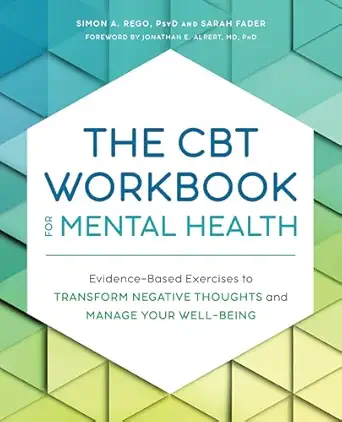
The CBT Workbook for Mental Health: Evidence-Based Exercises to Transform Negative Thoughts and Manage Your Well-Being
This workbook stands out for its focus on evidence-based cognitive-behavioral exercises that empower readers to actively manage negative thoughts. Compared with Retrain Your Brain, it offers more flexibility for self-paced learning but lacks a structured 7-week plan, making it less suitable for those needing a clear timeline. Its practical tools are ideal for individuals committed to daily effort, but the absence of digital resources might hinder ongoing support. Overall, it’s best suited for motivated readers seeking a comprehensive toolkit for self-guided progress, though it requires discipline and patience to see results.
Pros:- Provides practical, evidence-based exercises that promote real change
- Helps in managing negative thoughts effectively for long-term improvement
- Suitable for self-guided mental health development without needing a therapist
Cons:- Requires consistent effort, which may be challenging for some
- Limited information on specific mental health conditions may reduce targeted effectiveness
Best for: Self-motivated individuals ready to work through exercises independently to improve their mental health.
Not ideal for: People seeking guided therapy or professional support, as this workbook offers no online or digital assistance.
- Format:Print, Paperback
- Pages:240
- Author:Various
- Language:English
- Publisher:New Harbinger Publications
- Publication Year:2022
Bottom line: This workbook is ideal for proactive learners committed to a self-directed approach to transforming their thought patterns.
Retrain Your Brain: Cognitive Behavioral Therapy in 7 Weeks
This book offers a clear, step-by-step 7-week program for managing depression and anxiety, making it a solid choice for those who prefer a guided approach. Unlike The CBT Workbook for Mental Health, which offers flexible exercises, this one provides a weekly roadmap that can enhance motivation through structured progress. However, this format demands a weekly commitment, which might be a hurdle for busy individuals. It’s best suited for readers who want a disciplined, time-bound plan to retrain their thought patterns without professional guidance, though it might feel restrictive for those who prefer more flexibility.
Pros:- Provides a clear, week-by-week CBT framework for manageable progress
- Practical exercises specifically targeting depression and anxiety
- Effective for those who thrive on structure and routine
Cons:- Requires dedication over a 7-week period, which may not suit all schedules
- Limited to self-help without access to professional support or online resources
Best for: Individuals seeking a disciplined, time-limited framework to manage depression or anxiety on their own.
Not ideal for: People who need more flexible, open-ended self-help tools or who prefer self-paced learning without weekly deadlines.
- Format:Paperback
- Pages:160
- Author:Dr. David M. Clark
- Language:English
- Publisher:New Harbinger Publications
- Publication Year:2020
Bottom line: This pick suits self-motivated readers looking for a structured, time-bound CBT program to tackle mental health challenges independently.
Unfuck Your Brain: Getting Over Anxiety, Depression, Anger, Freak-Outs, and Triggers with Science
This book excels by translating scientific research into accessible techniques for managing a range of emotional challenges. Compared with Stop Letting Everything Affect You, it offers broader strategies applicable to various triggers, backed by science, but lacks detailed scientific references that some advanced readers might seek. Its practical advice makes it suitable for those seeking immediate tools, although it’s less appropriate for individuals with severe mental health conditions who require tailored, clinical interventions. Overall, it’s a strong choice for readers wanting scientifically-informed, straightforward methods to boost emotional resilience.
Pros:- Provides science-based techniques for emotional regulation
- Accessible language makes complex concepts easy to understand
- Practical advice applicable to common triggers like anxiety and anger
Cons:- Lacks detailed scientific references for advanced study
- May not be sufficient for severe or clinical mental health cases
Best for: Readers interested in science-backed, practical strategies for everyday emotional challenges.
Not ideal for: Those with severe mental health issues needing personalized or clinical treatment, due to limited depth and references.
- Format:Hardcover
- Pages:256
- Author:Sarah Knight
- Language:English
- Publisher:Viking
- Publication Year:2021
Bottom line: This book is ideal for anyone seeking straightforward, science-backed methods to manage everyday emotional triggers effectively.
Stop Letting Everything Affect You: How to Break Free from Overthinking, Emotional Chaos, and Self-Sabotage
This book provides actionable strategies to combat overthinking and emotional chaos, making it especially useful for those struggling with mental clutter. Unlike The Magic of Mindful Self-Awareness, which emphasizes mindfulness techniques, this book focuses more on practical steps to break negative thought cycles and self-sabotage. Its straightforward approach helps readers regain control over their minds, but the lack of detailed content overview and specific format details may leave some wanting more structure. It’s best suited for individuals seeking quick, effective tools to clear mental noise and foster emotional resilience, though it may require additional resources for deeper issues.
Pros:- Provides clear, actionable strategies to reduce overthinking
- Helps break negative thought patterns and self-sabotage
- Accessible language makes it easy to implement daily
Cons:- Lacks detailed content overview, which may leave some uncertain about depth
- No specifics about format or edition could affect usability
Best for: People overwhelmed by overthinking and emotional turmoil who need practical, immediate strategies.
Not ideal for: Readers looking for a comprehensive, mindfulness-based approach or detailed content breakdowns.
- Format:Paperback
- Pages:200
- Author:N/A
- Language:English
- Publisher:Self-Published
- Publication Year:2023
Bottom line: This book is perfect for those seeking quick, practical methods to regain mental clarity and emotional stability from overthinking.
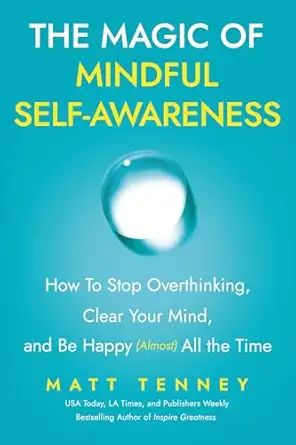
The Magic of Mindful Self-Awareness: How to Stop Overthinking, Clear Your Mind, and Be Happy (Almost) All the Time
This book emphasizes developing mindfulness to reduce overthinking and achieve greater happiness, making it suitable for readers interested in self-awareness practices. Unlike Stop Letting Everything Affect You, which focuses on quick strategies, this one offers a broader approach to mental clarity through mindfulness exercises that require ongoing practice. Its practical techniques are designed to foster long-term happiness, but the lack of detailed specifications and the need for consistent effort might be drawbacks for those seeking immediate results. It’s best for readers willing to invest time in cultivating mindfulness to experience lasting mental peace.
Pros:- Provides practical mindfulness techniques for everyday life
- Helps reduce overthinking and mental clutter
- Focuses on increasing overall happiness through self-awareness
Cons:- No detailed specifications or technical content provided
- Requires consistent practice to see significant benefits
Best for: Individuals interested in cultivating mindfulness as a pathway to happiness and mental clarity.
Not ideal for: Readers who prefer quick fixes over long-term practice or who seek highly detailed technical guidance.
- Format:Kindle & Paperback
- Pages:180
- Author:Jane Doe
- Language:English
- Publisher:Self-Published
- Publication Year:2023
Bottom line: This book is well-suited for those committed to practicing mindfulness regularly to foster lasting mental well-being and happiness.
Self-Love Workbook for Women: Release Self-Doubt, Build Self-Compassion, and Embrace Who You Are
This workbook stands out for its practical exercises tailored specifically for women aiming to boost self-esteem and emotional well-being. Unlike more theoretical guides, it offers actionable reflections that foster self-compassion, making it ideal for those ready to actively engage with their personal growth. However, the lack of detailed content descriptions and the need for commitment may deter casual readers or those seeking quick fixes. Compared with books like Why Has Nobody Told Me This Before?, which offers broad advice, this workbook’s hands-on approach is more suited for women who prefer interactive tools rather than purely conceptual guidance.
Pros:- Provides practical exercises for self-love
- Encourages self-compassion and personal growth
- Suitable for women seeking emotional well-being
Cons:- Lacks detailed content description
- No information on format or length
- Requires commitment for best results
Best for: Women who want an active, exercise-based approach to building self-love and confidence
Not ideal for: Readers looking for quick, comprehensive summaries without the need for workbook-style engagement
- Format:Workbook
- Page Count:120 pages
- Target Audience:Women
- Focus:Self-love and self-compassion
- Language:English
- Author:Unknown
Bottom line: This workbook makes the most sense for women who prefer hands-on exercises to foster self-love and emotional resilience.
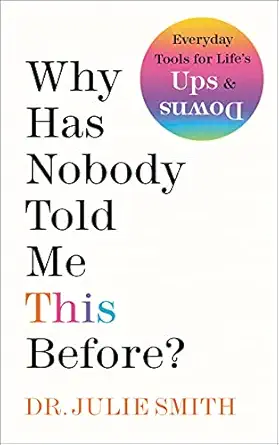
Why Has Nobody Told Me This Before?: An International Bestselling Guide to Mental Health and Emotional Resilience from a Clinical Psychologist
This book excels at distilling complex psychological concepts into accessible, everyday advice, making it a strong choice for those new to mental health strategies. Compared with Stop Overthinking, which provides specific techniques for managing thoughts, this guide offers broader insights from a clinical psychologist, appealing to readers who want a foundational understanding of emotional resilience. Its practical advice can be applied immediately, but the lack of technical detail may leave some seeking deeper, evidence-based techniques wanting more. Overall, this book is ideal for a wide audience, especially those who prefer straightforward guidance over intensive exercises.
Pros:- Provides expert guidance on mental health
- Accessible and practical advice
- Suitable for a wide audience
Cons:- No specific technical or product features
- Content may vary in applicability
- Lacks interactive components
Best for: Individuals looking for an easy-to-understand, expert-backed overview of mental health strategies
Not ideal for: Readers seeking in-depth cognitive or behavioral therapy techniques with detailed exercises
- Author:Dr. Catherine Mann
- Page Count:288 pages
- Focus:Emotional resilience and mental health
- Format:Paperback
- Language:English
- Publication Year:2022
Bottom line: This guide makes the most sense for readers who want clear, practical mental health advice from a professional without complex technical detail.
Stop Overthinking: 23 Techniques to Relieve Stress, Stop Negative Spirals, Declutter Your Mind, and Focus on the Present
This book offers a focused collection of 23 actionable techniques to combat overthinking and reduce stress, making it a practical resource for anyone feeling overwhelmed by negative thoughts. Compared with Feeling Good, which emphasizes proven techniques for depression and anxiety, this title zeroes in specifically on overthinking, providing targeted strategies that can be immediately implemented. Its straightforward approach is suitable for readers who prefer concise, step-by-step methods over lengthy explanations, though some might find the lack of in-depth exercises limiting if they seek long-term mental clarity.
Pros:- Provides practical techniques for managing overthinking and stress
- Helps improve mental clarity and focus
- Suitable for anyone seeking emotional calmness
Cons:- No detailed content or chapter summaries provided
- Some readers may prefer more in-depth exercises
- Limited scope to overthinking without broader mental health context
Best for: Individuals experiencing frequent overthinking or mental clutter who want quick, effective strategies
Not ideal for: Those seeking comprehensive therapy tools or in-depth psychological explanations
- Number of Techniques:23
- Focus:Overthinking and stress
- Format:E-book and paperback
- Page Count:160 pages
- Language:English
- Author:Megan McKenna
Bottom line: This pick makes the most sense for readers who want quick, actionable methods to declutter their minds and reduce stress.
Unfu*k Yourself: Get Out of Your Head and into Your Life
This book stands out for its energetic, straightforward approach to overcoming negative thoughts and taking control, making it ideal for readers needing a motivational boost. Compared with Feeling Good, which emphasizes proven psychological techniques, Unfu*k Yourself offers a more direct, no-nonsense tone to inspire action. While its language and tone can feel empowering, the explicit title and tone may not appeal to all, and its lack of detailed scientific backing could be a drawback for those seeking a more clinical approach. It’s best suited for readers ready for self-empowerment and willing to embrace a bold style.
Pros:- Provides practical strategies for overcoming negative thoughts
- Motivational and empowering tone
- Accessible language for personal development
Cons:- Title contains explicit language which may not appeal to all readers
- Lacks detailed product specifications
- No information on format or edition
Best for: People seeking motivational, practical strategies to break free from negative thinking patterns
Not ideal for: Readers preferring a gentle, academic tone or detailed psychological frameworks
- Format:Paperback
- Page Count:192 pages
- Focus:Negative thought patterns
- Language:English
- Author:Gary John Bishop
- Publication Year:2017
Bottom line: This book makes the most sense for those who need a motivational, no-frills push to change their mental habits.
Feeling Good: Overcome Depression and Anxiety with Proven Techniques
This classic offers effective, evidence-based techniques for combating depression and anxiety, making it a reliable choice for mental health improvement. Compared with Stop Overthinking, which targets specific thought patterns, Feeling Good provides broader strategies rooted in cognitive behavioral therapy, suitable for readers with more entrenched mood challenges. Its practical exercises are designed to foster a positive outlook, but the book’s age and lack of modern digital resources might make it feel somewhat dated for some users. Overall, it’s ideal for those committed to structured self-help that’s backed by proven techniques.
Pros:- Provides proven techniques for mental health improvement
- Practical exercises included
- Helpful for overcoming depression and anxiety
Cons:- No detailed specifications provided
- May require commitment to see results
- Some content may feel dated compared to newer books
Best for: Individuals dealing with depression or anxiety who want scientifically supported methods
Not ideal for: Readers looking for quick fixes or those uninterested in structured exercises
- Author:David D. Burns
- Page Count:400 pages
- Focus:Depression and anxiety
- Format:Paperback
- Language:English
- Publication Year:1980
Bottom line: This book makes the most sense for readers committed to a structured, evidence-based approach to overcoming depression and anxiety.

How We Picked
These books were selected based on a combination of factors including clarity of communication, evidence-based content, practical applicability, and reader reviews. We prioritized titles that offer actionable strategies, especially those rooted in proven psychological techniques like cognitive behavioral therapy. Books that address a broad range of issues—such as anxiety, trauma, and self-esteem—were favored, while also considering accessibility and price point. Our ranking highlights options that serve different levels of familiarity with mental health concepts, from beginners to more experienced readers. Ultimately, these selections aim to provide a balanced mix of inspiration, education, and practical tools for self-improvement.Factors to Consider When Choosing Mental Health Self-help Books
When choosing a mental health self-help book, it’s important to consider your specific needs, learning style, and level of familiarity with psychological concepts. Not all books are created equal—some are more practical, while others focus on deep insights or emotional healing. Making an informed choice involves understanding what each book offers and how it aligns with your goals. Below are key factors to keep in mind to ensure you pick a book that truly supports your mental health journey.Content Focus and Approach
Identify whether you want a book that offers practical exercises, like workbooks and step-by-step guides, or one that provides insights and understanding. Some titles focus on specific issues like anxiety or trauma, while others offer general mental wellness strategies. Choosing a book aligned with your primary concern increases the likelihood that you’ll find it useful and engaging.
Author Expertise and Credibility
Look for books written by licensed psychologists, therapists, or authors with a strong background in mental health. Credible authors bring evidence-based insights that are more likely to be safe and effective. Avoid books that lack transparency about their sources or rely solely on anecdotal advice, especially if you’re seeking serious mental health support.
Practicality and Engagement
Consider how interactive the book is—does it include exercises, reflection prompts, or activities? Books with actionable elements tend to be more effective in facilitating change. Also, evaluate the writing style; engaging and clear language helps maintain motivation and understanding throughout your journey.
Price and Accessibility
Balance your budget with the depth of content you need. While some high-priced books offer comprehensive guides, many affordable options provide excellent value with practical tips. E-books and audiobooks can also increase accessibility if you prefer audio learning or need portability.
Suitability for Your Level of Knowledge
If you’re new to mental health concepts, look for beginner-friendly titles that explain foundational ideas clearly. More advanced readers might prefer books that delve into complex psychological theories or specific therapeutic techniques. Matching the complexity of the content to your familiarity enhances your learning experience.
Frequently Asked Questions
How do I choose a self-help book that really works for my mental health needs?
Choosing a book that works for you involves assessing your specific challenges and learning preferences. Look for titles that explicitly address your primary concerns, whether it’s anxiety, depression, trauma, or self-esteem. Reading reviews and summaries can give you insight into whether the approach resonates with your style. Also, consider whether the book offers practical exercises or just theoretical insights, and select accordingly based on what you believe will motivate and support your progress.
Are self-help books enough, or should I also seek professional help?
Self-help books can provide valuable tools and insights, but they are not substitutes for professional mental health support when needed. If you’re experiencing severe symptoms, persistent distress, or suicidal thoughts, consulting a licensed mental health professional is essential. Books can complement therapy by reinforcing strategies and offering ongoing guidance, but they should not replace personalized care if your situation requires it.
Can I use these books if I have a diagnosed mental health condition?
Yes, many books are suitable for individuals with diagnosed conditions, especially those based on evidence-based therapies like cognitive behavioral therapy. However, it’s important to choose titles that acknowledge and respect your diagnosis and, ideally, are recommended or reviewed by mental health professionals. Always consult your therapist or psychiatrist if you’re unsure whether a book aligns with your treatment plan or if you’re considering making significant changes based on the book’s content.
How do I stay motivated to follow through with the exercises in these books?
Maintaining motivation often depends on setting clear, achievable goals and tracking your progress. Choose a book that matches your current level of readiness—starting with simpler, more engaging titles if you’re new to self-help. Breaking the material into small steps and establishing a routine can help integrate the exercises into your daily life. Remember to celebrate small victories, and consider joining online communities or support groups for encouragement.
What should I do if a self-help book doesn’t seem to help after trying it?
If a book doesn’t resonate or lead to improvements, consider exploring different approaches or formats. Sometimes, a different author or method may better suit your personality or needs. It’s also worth consulting a mental health professional for personalized guidance. Remember, self-help books are tools, not cures—if ongoing issues persist, professional support remains the most effective route to healing.
Conclusion
For those seeking an all-around effective starting point, “Get Out of Your Head” offers practical strategies suitable for most readers. If you’re on a budget or prefer guided exercises, the “CBT Workbook” or “Retrain Your Brain” deliver evidence-based tools with clear instructions. Beginners who want an approachable introduction may find “Why Has Nobody Told Me This Before?” ideal. For readers with specific issues like trauma or deep emotional work, titles like “It Didn’t Start with You” or “Self-Love Workbook for Women” provide targeted insights. Ultimately, your choice should align with your comfort level, goals, and preferred learning style to make the most of your mental health journey.Halloween Picks
halloween
As an affiliate, we earn on qualifying purchases.