
The 15 best personality assessment tools in this roundup range from friendly self-reflection guides to technical references for trained practitioners. I’d put Handbook of Personality Assessment first for breadth and professional depth, while The Big Book of Personality Quizzes is a more approachable starting point and Essentials of Myers-Briggs Type Indicator Assessment suits readers seeking structured MBTI guidance. The main tradeoff is between accessible tools meant to prompt reflection and specialist resources tied to formal assessment methods. Some books offer engaging frameworks, while others require training and are not meant for self-diagnosis. Read on for the full breakdown and help matching a book to your goals.

Turn your wind-down time into listening time
- Thousands of audiobooks, podcasts and originals
- Listen on your phone, tablet or Echo — also offline
- Cancel anytime
Key Takeaways
- Handbook of Personality Assessment stands apart as the broadest professional reference in the lineup; it is a better fit for serious study than casual self-discovery.
- The Big Book of Personality Quizzes offers an easy entry point, but its quiz-centered format should be treated as a prompt for reflection rather than a clinical measure.
- The MBTI titles serve different needs: Myers-Briggs Type Indicator: The 16 Personality Types introduces the types, while Essentials of Myers-Briggs Type Indicator Assessment focuses more on assessment practice.
- The Enneagram books emphasize distinct styles of self-understanding: Personality Types gives the framework depth, while My Enneagram presents a more visual, accessible route.
- Clinical and technical titles such as MMPI-2: Assessing Personality and Psychopathology, Essentials of 16PF Assessment, and the PAI reference are specialist resources, not substitutes for qualified assessment.
| Clinical Applications of the Personality Assessment Inventory |  | Best for Clinical PAI Guidance | Format: Book | Assessment covered: Personality Assessment Inventory (PAI) | Primary focus: Clinical applications | VIEW ON AMAZON | See Our Full Breakdown |
| The 5 Personality Patterns: Your Guide to Understanding Yourself and Others and Developing Emotional Maturity |  | Best for Emotional Growth | Format: Book | Framework: Five personality patterns | Stated purpose: Understanding yourself and others | VIEW ON AMAZON | See Our Full Breakdown |
| The Big Book of Personality Quizzes: Fun Tests for Self-Discovery |  | Best for Casual Quiz Fans | Format: Book | Content type: Collection of personality quizzes | Stated purpose: Fun self-discovery | VIEW ON AMAZON | See Our Full Breakdown |
| Personality Types: Using the Enneagram for Self-Discovery |  | Best for Enneagram Exploration | Format: Book | Framework: Enneagram | Stated purpose: Self-discovery | VIEW ON AMAZON | See Our Full Breakdown |
| Self-Scoring Personality Tests |  | Best for Independent Test-Taking | Format: Book | Content type: Personality tests | Scoring approach: Self-scoring | VIEW ON AMAZON | See Our Full Breakdown |
| Myers-Briggs Type Indicator: The 16 Personality Types |  | Best for a Quick Introduction to MBTI Types | Subject: Myers-Briggs Type Indicator | Stated focus: The 16 personality types | Format: Not specified in the supplied product data | VIEW ON AMAZON | See Our Full Breakdown |
| Essentials of Myers-Briggs Type Indicator Assessment |  | Best for MBTI Assessment Reference | Assessment: Myers-Briggs Type Indicator | Series: Essentials of Psychological Assessment | Stated format: Concise guide | VIEW ON AMAZON | See Our Full Breakdown |
| Handbook of Personality Assessment |  | Best for Broad Professional Coverage | Subject: Personality assessment | Stated coverage: Assessment methods, theories, and applications | Stated depth: In-depth overview | VIEW ON AMAZON | See Our Full Breakdown |
| Personality Assessment |  | Best for Buyers Who Can Verify the Edition First | Title: Personality Assessment | Subject indicated by title: Personality assessment | Description: Not provided | VIEW ON AMAZON | See Our Full Breakdown |
| Essentials of 16PF Assessment |  | Best for a Focused 16PF Reference | Subject: 16PF assessment | Stated format: Book | Assessment framework: 16PF | VIEW ON AMAZON | See Our Full Breakdown |
| Wired That Way Personality Profile: An Easy-to-Use Questionnaire for Helping You Discover Your God-Given Personality Type |  | Best Faith-Based Starting Point | ASIN: 0800736060 | Product type: Personality profile questionnaire | Approach: Faith-based personality discovery | VIEW ON AMAZON | See Our Full Breakdown |
| The Essential Enneagram: The Definitive Personality Test and Self-Discovery Guide |  | Best for a Structured Nine-Type Framework | ASIN: 0061713163 | Format: Book | Personality framework: Enneagram | VIEW ON AMAZON | See Our Full Breakdown |
| The 16 Personality Types: Profiles for Self-Discovery |  | Best for Comparing Sixteen Type Profiles | ASIN: B0HB929S9W | Product type: Book | Stated focus: Self-discovery | VIEW ON AMAZON | See Our Full Breakdown |
| MMPI-2: Assessing Personality and Psychopathology | 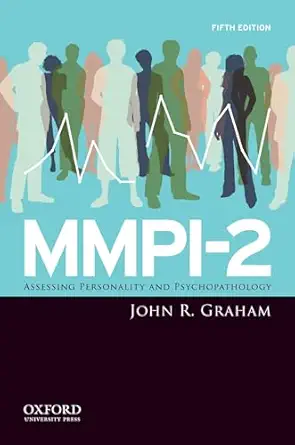 | Best Professional Reference | ASIN: 019537892X | Assessment: MMPI-2 | Subject: Personality and psychopathology | VIEW ON AMAZON | See Our Full Breakdown |
| My Enneagram: A Visual Guide to Find Your Personality Type, Stress Less, and Live Your Dreams |  | Best Visual Enneagram Guide | ASIN: 1632175681 | Format: Book | Personality framework: Enneagram | VIEW ON AMAZON | See Our Full Breakdown |
| personality assessment tool | ASIN | Format |
|---|---|---|
| Clinical Applications of the P | 1138881740 | Book |
| The 5 Personality Patterns: Yo | 0996343903 | Book |
| The Big Book of Personality Qu | B0FXWFBP4C | Book |
| Personality Types: Using the E | 0395798671 | Book |
| Self-Scoring Personality Tests | 0760701628 | Book |
| Myers-Briggs Type Indicator: T | B09TTF913X | Not specified in the supplied product data |
| Essentials of Myers-Briggs Typ | 0470343907 | — |
| Handbook of Personality Assess | 111925888X | Not specified in the supplied product data |
| Personality Assessment | 0805861173 | Not specified in the supplied product data |
| Essentials of 16PF Assessment | 0471234249 | — |
| Wired That Way Personality Pro | 0800736060 | — |
| The Essential Enneagram: The D | 0061713163 | Book |
| The 16 Personality Types: Prof | B0HB929S9W | — |
| MMPI-2: Assessing Personality | 019537892X | Not specified |
| My Enneagram: A Visual Guide t | 1632175681 | Book |
More Details on Our Top Picks
Clinical Applications of the Personality Assessment Inventory
This is the most practice-oriented pick here for mental health professionals who want to understand how the Personality Assessment Inventory (PAI) can inform clinical work. Its focus on assessment techniques and interpretation gives it a different purpose from Personality Types: Using the Enneagram for Self-Discovery, which is aimed at personal exploration rather than professional assessment. The clinical focus makes this book a stronger fit for readers already familiar with assessment settings, while the available description does not establish how much detail it provides about specific cases, scoring, or limitations. I would choose it for a professional reference on applying PAI results, not as a general-interest personality guide or a standalone substitute for formal training.
Pros:- Focuses specifically on clinical applications of the PAI
- Addresses assessment techniques and interpretation
- Connects assessment results with use in clinical settings
Cons:- Available details do not specify the depth of coverage or case examples
- Its professional focus may be less accessible to readers without assessment training
- The description does not clarify its treatment of scoring procedures or assessment limitations
Best for: Mental health professionals and trainees seeking guidance on applying PAI results in clinical settings
Not ideal for: Casual readers seeking an interactive self-test or a broad introduction to personality frameworks
- Format:Book
- Assessment covered:Personality Assessment Inventory (PAI)
- Primary focus:Clinical applications
- Intended audience:Mental health professionals
- Topics described:Assessment techniques and interpretation
- Application settings:Various clinical settings
- ASIN:1138881740
Our verdict“Choose this book for a clinically oriented guide to the PAI, but pick a self-discovery title if you want a test for personal use.”
The 5 Personality Patterns: Your Guide to Understanding Yourself and Others and Developing Emotional Maturity
This guide stands apart from the more assessment-centered Clinical Applications of the Personality Assessment Inventory: it uses five personality patterns as a route to understanding yourself and other people, with emotional maturity as its stated aim. That makes it a better match for readers looking for reflection and personal development than for clinicians seeking a formal assessment reference. The description does not identify a questionnaire, scoring method, or the names of the five patterns, so buyers should not assume it offers a standardized personality test. Compared with the quiz collection in The Big Book of Personality Quizzes, this title appears more focused on applying a single framework to relationships and growth, though the available information leaves its exercises and depth unclear.
Pros:- Organizes self-understanding around five personality patterns
- Addresses understanding other people as well as oneself
- Makes emotional maturity a central development goal
Cons:- Available description does not name or explain the five patterns
- No scoring method or formal assessment properties are specified
- The description gives little detail about exercises or practical guidance
Best for: Readers interested in using a five-pattern framework to reflect on relationships and emotional development
Not ideal for: Buyers seeking a validated assessment, transparent scoring, or detailed information about the framework before purchase
- Format:Book
- Framework:Five personality patterns
- Stated purpose:Understanding yourself and others
- Development focus:Emotional maturity
- Assessment format:Not specified in the available description
- Scoring method:Not specified in the available description
- ASIN:0996343903
Our verdict“Pick this for personality reflection tied to emotional growth, not for a clearly documented or standardized test.”
The Big Book of Personality Quizzes: Fun Tests for Self-Discovery
This collection is the lightest, most activity-led option in this group: it offers personality quizzes for playful self-discovery rather than professional interpretation or a single in-depth framework. That broad, approachable premise contrasts with Personality Types: Using the Enneagram for Self-Discovery, which centers on one named system, and with the PAI-focused clinical guide, which is aimed at professionals. The description says it is suitable for curious readers of all ages, making it a plausible choice for informal use or shared activities. It does not specify quiz topics, scoring, or how results are explained, so I would treat the quizzes as conversation starters rather than evidence-based assessments. Buyers who want a methodical tool may find its playful format too limited.
Pros:- Offers multiple quizzes rather than focusing on one personality framework
- Designed for playful self-discovery
- Description presents it as suitable for curious readers of all ages
Cons:- Quiz subjects and scoring details are not provided
- No information describes how results are interpreted
- The playful framing may not meet the needs of serious assessment users
Best for: Families and casual readers who want accessible personality-themed quizzes for informal self-discovery
Not ideal for: Readers seeking a validated assessment, detailed result interpretation, or a professional clinical tool
- Format:Book
- Content type:Collection of personality quizzes
- Stated purpose:Fun self-discovery
- Intended audience:Curious readers of all ages
- Scoring details:Not specified in the available description
- Quiz topics:Not specified in the available description
- ASIN:B0FXWFBP4C
Our verdict“Choose this for casual quiz-based exploration, not for a rigorous personality assessment or clinical guidance.”
Personality Types: Using the Enneagram for Self-Discovery
Readers drawn to one recognizable framework may prefer this book over The 5 Personality Patterns, whose description does not identify its pattern names or method. Here, the Enneagram is explicitly the lens for self-discovery, giving the title a clearer framework identity even though the available details do not explain its type descriptions, exercises, or assessment process. That makes it a more focused choice than The Big Book of Personality Quizzes, which offers a range of playful tests rather than a single system. The tradeoff is that buyers who want a quick, clearly documented quiz may not find enough information here to judge how the book helps identify a type. I would treat it as a framework-based guide, not as a clinical instrument.
Pros:- Centers self-discovery on the clearly identified Enneagram framework
- Offers a more focused approach than a mixed collection of quizzes
- Provides a distinct option for readers specifically interested in Enneagram personality types
Cons:- Available details do not describe type-identification methods
- No information is provided about exercises or depth of coverage
- The description does not establish clinical or psychometric use
Best for: Readers who want to explore personality through the Enneagram as a self-discovery framework
Not ideal for: Buyers seeking a described scoring procedure, clinical assessment guidance, or a broad assortment of quizzes
- Format:Book
- Framework:Enneagram
- Stated purpose:Self-discovery
- Type-identification method:Not specified in the available description
- Assessment format:Not specified in the available description
- Intended use:Personality exploration
- ASIN:0395798671
Our verdict“Choose this if you specifically want an Enneagram-based self-discovery guide, and skip it if you need transparent assessment methods.”
Self-Scoring Personality Tests
This title is the clearest fit for readers who specifically want to take and score tests on their own: unlike The Big Book of Personality Quizzes, its description expressly identifies the tests as self-scoring. That distinction may suit independent readers who prefer a defined test-and-result activity over a framework-led guide such as Personality Types: Using the Enneagram for Self-Discovery. The available information is very sparse, though; it does not say how many tests are included, what they measure, or how results are interpreted. Self-scoring can make an activity convenient, but without those details buyers cannot judge its rigor or whether results are intended for anything beyond personal reflection. I would choose it for accessible test-taking, not professional decisions.
Pros:- Explicitly offers self-scoring personality tests
- Supports independent use without a described facilitator
- Provides a test-based alternative to framework-led self-discovery books
Cons:- The number and topics of the tests are not specified
- Scoring instructions and result interpretation are not described
- No information establishes suitability for clinical or professional decisions
Best for: Independent readers who want a book of personality tests they can score themselves for personal reflection
Not ideal for: Professionals or buyers who need named assessment scales, documented scoring guidance, or evidence of validity
- Format:Book
- Content type:Personality tests
- Scoring approach:Self-scoring
- Intended use:Independent test-taking
- Test count:Not specified in the available description
- Test topics:Not specified in the available description
- ASIN:0760701628
Our verdict“Choose this for self-directed personality test activities, but look elsewhere if you need clear methods or professional-grade assessment.”
Myers-Briggs Type Indicator: The 16 Personality Types
This overview is the most approachable MBTI entry in this group: it centers on the 16 type profiles rather than presenting itself as a professional assessment manual. That makes it a reasonable starting point for readers who want a map of the types before deciding whether to study assessment methods more closely. Compared with Essentials of Myers-Briggs Type Indicator Assessment, its stated focus is broader type orientation, not assessment practice. The limitation is that the supplied information gives no details about its methods, depth, exercises, or intended audience, so I would not treat it as a validated test or a substitute for professional guidance. Readers wanting wider coverage of measurement approaches may get more from Handbook of Personality Assessment.
Pros:- Directly focuses on the MBTI’s 16 personality types
- Offers a more introductory angle than the assessment-focused MBTI reference in this roundup
- Could help readers orient themselves before exploring more technical personality assessment books
Cons:- The supplied product information does not describe its depth, structure, or practical exercises
- No assessment, scoring, or validation details are provided
- Its narrow MBTI focus offers less breadth than Handbook of Personality Assessment
Best for: Curious beginners who want an introductory overview of the MBTI’s 16 personality types before choosing a more technical resource
Not ideal for: Psychologists, assessment trainees, or readers seeking a documented test, scoring instructions, or evidence about how the material was developed
- Subject:Myers-Briggs Type Indicator
- Stated focus:The 16 personality types
- Format:Not specified in the supplied product data
- Assessment or scoring details:Not specified in the supplied product data
- Intended audience:Not specified in the supplied product data
- ASIN:B09TTF913X
Our verdict“Choose this for a basic introduction to MBTI type profiles, not for formal assessment training or a well-documented testing method.”
Essentials of Myers-Briggs Type Indicator Assessment
This is the more assessment-oriented MBTI choice in the batch, with its place in the Essentials of Psychological Assessment series giving it a clearer reference-book identity than Myers-Briggs Type Indicator: The 16 Personality Types. The supplied description says it is a concise guide to the MBTI assessment, which may suit readers who want focused material on the instrument rather than a general tour of type profiles. That focus is also its boundary: it is not presented as a broad survey of personality measurement, so Handbook of Personality Assessment is a better fit for readers comparing approaches beyond MBTI. Product details do not specify contents, scoring guidance, or intended qualifications, so I would check those before relying on it for professional practice.
Pros:- Specifically focused on Myers-Briggs Type Indicator assessment
- Positioned as a concise guide rather than a general personality overview
- Belongs to the Essentials of Psychological Assessment series
Cons:- The supplied data gives no detail about chapters, scoring procedures, or technical evidence
- Narrower in scope than Handbook of Personality Assessment
- May be too specialized for readers who only want an accessible introduction to the 16 types
Best for: Psychology students or assessment practitioners seeking a focused reference on the Myers-Briggs Type Indicator within a psychological assessment series
Not ideal for: General readers seeking an informal personality quiz, or researchers who need a broad comparison of assessment methods and documented technical specifications
- Assessment:Myers-Briggs Type Indicator
- Series:Essentials of Psychological Assessment
- Stated format:Concise guide
- Subject area:Psychological assessment
- Scoring details:Not specified in the supplied product data
- Intended audience:Not specified in the supplied product data
- ASIN:0470343907
Our verdict“Pick this for a focused MBTI assessment reference, but choose the handbook for broader coverage or the 16-types overview for a gentler introduction.”
Handbook of Personality Assessment
Among these five books, this is the widest-ranging choice: the description explicitly covers personality assessment methods, theories, and applications. That breadth makes it a stronger match for psychology students and professionals who need context across measurement approaches, rather than a guide centered on one instrument such as Essentials of Myers-Briggs Type Indicator Assessment or Essentials of 16PF Assessment. The same scope can make it a less direct pick for someone who simply wants to learn about MBTI types or one particular test. The description calls it an in-depth handbook, but the supplied data does not list its chapters, technical specifications, or assessment tools. Readers should verify that the edition and coverage suit their course or practice needs before choosing it.
Pros:- Described as covering methods, theories, and applications
- Broader scope than the MBTI- and 16PF-focused references in this roundup
- Identified as a resource for psychologists and students interested in personality measurement
Cons:- The supplied product data does not identify specific methods, chapters, or assessment instruments
- Its in-depth scope may be more than a casual reader needs
- No technical specifications are supplied to help buyers judge fit for a particular course or practice
Best for: Psychology students and practitioners looking for an in-depth reference that covers multiple personality assessment methods, theories, and applications
Not ideal for: Casual self-discovery readers or buyers seeking a concise guide to one named assessment such as the MBTI or 16PF
- Subject:Personality assessment
- Stated coverage:Assessment methods, theories, and applications
- Stated depth:In-depth overview
- Suggested audience:Psychologists and students
- Specific methods covered:Not specified in the supplied product data
- Format:Not specified in the supplied product data
- ASIN:111925888X
Our verdict“Choose this for broad professional or academic study of personality assessment; skip it if you want a concise guide to one specific test.”
Personality Assessment
The title points directly to personality assessment, but the supplied information offers no description, named framework, audience, or practical details. That leaves this book difficult to place against the clearly described Handbook of Personality Assessment, which is explicitly presented as covering methods, theories, and applications. It may be relevant to readers searching for a general assessment text, yet I cannot infer its scope or usefulness from the title alone. Compared with the specified MBTI and 16PF references, it also gives no clue about whether it focuses on a particular instrument or surveys the field. I would only shortlist it after checking the edition, contents, and intended audience; without that confirmation, the other books here offer a more legible buying case.
Pros:- The title identifies personality assessment as its subject
- May fit a buyer who already knows the exact edition required
- Could serve a targeted search for a book with this title
Cons:- No description or coverage details are supplied
- The intended audience and assessment frameworks are unknown
- Offers less decision-making information than Handbook of Personality Assessment
Best for: Students or practitioners who have identified this exact title and edition through a course list or other source and can confirm its contents before buying
Not ideal for: First-time buyers who need to compare scope, methods, or technical coverage using the supplied product information
- Title:Personality Assessment
- Subject indicated by title:Personality assessment
- Description:Not provided
- Assessment frameworks:Not specified in the supplied product data
- Intended audience:Not specified in the supplied product data
- Format:Not specified in the supplied product data
- ASIN:0805861173
Our verdict“Buy only after confirming the exact edition and contents; the available information is too limited to recommend it over the described assessment references.”
Essentials of 16PF Assessment
This title makes the clearest commitment to the 16PF assessment, setting it apart from the MBTI-focused guides and the broader Handbook of Personality Assessment. That specificity may help readers whose study or work already centers on 16PF, since a focused reference is more directly relevant than a general survey. The supplied description, however, says only that it is a book about 16PF assessment; it does not establish what topics, procedures, or technical material it covers. Buyers should not assume that the title alone confirms scoring instructions or professional-use guidance. For a reader choosing a framework from scratch, the handbook’s stated breadth is more useful; for someone committed to MBTI, the two Myers-Briggs books are a closer match.
Pros:- Clearly identifies 16PF assessment as its subject
- More targeted to 16PF than the general Handbook of Personality Assessment
- Offers an alternative to the MBTI-centered references in the roundup
Cons:- No detailed description of coverage or assessment procedures is supplied
- The intended audience and technical depth are not specified
- Its single-framework focus is less useful than a broad reference for readers comparing methods
Best for: Psychology students or practitioners who specifically need a book about 16PF assessment and can verify that its contents match their training or reference needs
Not ideal for: General readers exploring personality types or buyers who want a broad comparison of assessment frameworks before selecting one
- Subject:16PF assessment
- Stated format:Book
- Assessment framework:16PF
- Coverage details:Not specified in the supplied product data
- Intended audience:Not specified in the supplied product data
- Technical guidance:Not specified in the supplied product data
- ASIN:0471234249
Our verdict“Choose this if your work or study specifically calls for 16PF material, and verify the contents before relying on it as a technical guide.”
Wired That Way Personality Profile: An Easy-to-Use Questionnaire for Helping You Discover Your God-Given Personality Type
Wired That Way Personality Profile is the clearest fit here for readers who want personality discovery framed through faith. Its questionnaire format suggests a more direct starting point than The Essential Enneagram, which focuses on a nine-type system and self-discovery. That distinction matters if you want a framework that explicitly connects personality with a religious worldview rather than one organized around Enneagram categories.
The available product information does not describe the questionnaire’s length, scoring, or type system, so I can’t judge how much guidance it gives after the initial exercise. That makes this a more specialized pick than the broadly framed The 16 Personality Types: Profiles for Self-Discovery. Choose it for its faith-centered approach, but skip it if you need detailed methodology or clearly documented assessment steps.
Pros:- Uses a questionnaire as a direct entry point to personality discovery.
- Offers an explicitly faith-based perspective.
- The title states its goal of helping readers identify a personality type.
Cons:- Available product details do not explain the questionnaire or its contents.
- The personality framework and scoring approach are not specified.
- Its faith-centered framing may not suit readers seeking a secular tool.
Best for: Readers who want a questionnaire-based personality exercise grounded in a Christian or faith-centered perspective.
Not ideal for: Buyers seeking a clearly documented scoring method, detailed type descriptions, or a secular, research-oriented assessment.
- ASIN:0800736060
- Product type:Personality profile questionnaire
- Approach:Faith-based personality discovery
- Stated purpose:Help readers discover their personality type
- Questionnaire details:Not provided
- Personality framework:Not specified
Our verdict“Choose this for faith-based, questionnaire-led self-reflection, but pick a more fully described guide if you need transparent assessment details.”
The Essential Enneagram: The Definitive Personality Test and Self-Discovery Guide
The Essential Enneagram is the most clearly defined choice in this group for readers who want to work within one named personality system: the Enneagram’s nine types. The description also presents its approach as research-based and notes a revised, updated edition, giving it a more explicit testing-and-self-discovery focus than Wired That Way Personality Profile, whose framework and questionnaire details are not supplied.
This focus is also its limitation. Readers who want quick, visual prompts may find My Enneagram a more accessible format, while this title is positioned as a guide to testing and type exploration. The available information does not spell out the test’s format, scoring, or evidence, so the research claim cannot be judged from the product details alone. It is best for readers committed to the Enneagram rather than those comparing multiple assessment models.
Pros:- Covers the Enneagram’s nine personality types.
- Combines personality testing with self-discovery guidance.
- Described as a revised and updated edition.
- Presents its approach as research-based.
Cons:- Its scope centers on the Enneagram rather than comparing several assessment systems.
- Available details do not explain test format, scoring, or validation.
- May be less immediately visual than My Enneagram.
Best for: Readers who want to explore all nine Enneagram types through a personality test and self-discovery guide.
Not ideal for: People who want a brief visual introduction, a different personality framework, or detailed evidence about test design before choosing.
- ASIN:0061713163
- Format:Book
- Personality framework:Enneagram
- Number of personality types:Nine
- Stated focus:Personality testing and self-discovery
- Edition information:Revised and updated
- Approach described:Research-based
Our verdict“Pick this if you want a dedicated guide to the Enneagram’s nine types, and look elsewhere for a short, visual introduction or a different model.”
The 16 Personality Types: Profiles for Self-Discovery
The 16 Personality Types: Profiles for Self-Discovery is the most direct match for readers who want to explore a set of sixteen personality profiles rather than focus on the Enneagram’s nine-type model. Compared with The Essential Enneagram, its stated appeal is breadth across sixteen types; compared with Wired That Way Personality Profile, it foregrounds profiles rather than a questionnaire.
The product information gives little else to work with: it does not identify the underlying system, explain how readers find their type, or describe the profile content or format. That makes this a cautious pick for browsing type descriptions, not a strong choice for anyone who needs a transparent assessment method. I would favor My Enneagram for stated practical stress-management advice, or a more fully documented title if the assessment process matters more than the profile count.
Pros:- Presents profiles for sixteen personality types.
- Aims at self-discovery rather than clinical assessment.
- Offers a different type-count focus from nine-type Enneagram guides.
Cons:- The underlying personality system is not identified in the supplied details.
- No assessment, scoring, or type-identification process is described.
- The profile content and format are not specified.
Best for: Readers who want to browse sixteen personality profiles for self-reflection and do not need a specified test or scoring method.
Not ideal for: Buyers who need to know the assessment framework, how types are assigned, or what evidence supports the profiles.
- ASIN:B0HB929S9W
- Product type:Book
- Stated focus:Self-discovery
- Profiles:Sixteen personality types
- Assessment method:Not specified
- Personality framework:Not specified
Our verdict“Consider it for browsing sixteen self-discovery profiles, but choose a better-documented assessment if you need a defined framework or method.”
MMPI-2: Assessing Personality and Psychopathology
MMPI-2: Assessing Personality and Psychopathology stands apart from the self-guided titles in this roundup: it is a technical reference for mental health professionals working with a psychological assessment. Its coverage of administration, scoring, and interpretation makes it more practice-oriented than The Essential Enneagram, which is described as a self-discovery guide for a nine-type model. The distinction is important: this is not a casual personality quiz for readers looking to name a type.
The tradeoff is accessibility. The supplied description warns that the material may be technical for general readers, and product details do not provide further specifics about its contents or edition. Compared with Wired That Way Personality Profile, it has a professional assessment focus, but that focus also makes it a poor fit for informal personal exploration. Choose it when your work involves the MMPI-2, not simply because you want a personality book.
Pros:- Covers administration, scoring, and interpretation of the MMPI-2.
- Addresses both personality assessment and psychopathology.
- Designed for use by mental health professionals.
- Offers a more technical assessment focus than self-discovery titles.
Cons:- May be too technical for general readers.
- Available product details do not specify edition or further contents.
- Its professional assessment focus is a poor match for casual self-typing.
Best for: Mental health professionals and trainees who need a reference on MMPI-2 administration, scoring, and interpretation.
Not ideal for: General readers seeking a casual self-discovery quiz, an accessible type guide, or a nonclinical personality exercise.
- ASIN:019537892X
- Assessment:MMPI-2
- Subject:Personality and psychopathology
- Intended audience:Mental health professionals
- Coverage:Administration, scoring, and interpretation
- Format:Not specified
Our verdict“Choose this as a professional MMPI-2 reference, not as a general-purpose personality quiz or self-discovery guide.”
My Enneagram: A Visual Guide to Find Your Personality Type, Stress Less, and Live Your Dreams
My Enneagram is the most approachable pick here for readers who want Enneagram concepts presented visually and connected to everyday goals. Its stated advice on reducing stress gives it a practical angle that differs from The Essential Enneagram, which is framed more directly around personality testing and a full nine-type system. That makes this title a better match for readers who want to turn type exploration into reflection on daily habits, rather than start with a more test-centered guide.
The tradeoff is depth: the supplied description says it may feel superficial to readers seeking detailed psychological analysis, and it offers less depth than comprehensive Enneagram textbooks. It also does not specify its type-identification method. Compared with The 16 Personality Types: Profiles for Self-Discovery, it provides more stated practical guidance, but remains centered on one framework. Choose it for accessible visual learning, not technical analysis.
Pros:- Uses a visual guide format to present Enneagram concepts.
- Offers practical advice related to stress reduction.
- Connects personality exploration with personal goals.
- A more approachable entry point than technical personality references.
Cons:- May be too superficial for readers seeking deep psychological analysis.
- Has less depth than comprehensive Enneagram textbooks.
- The type-identification method is not specified in the supplied details.
Best for: Visual learners who want an accessible Enneagram introduction with practical ideas for stress reduction and personal goals.
Not ideal for: Readers seeking rigorous psychological analysis, an in-depth Enneagram textbook, or a clearly described scoring method.
- ASIN:1632175681
- Format:Book
- Personality framework:Enneagram
- Presentation:Visual guide
- Stated purpose:Help readers find their personality type
- Practical focus:Stress reduction and personal goals
Our verdict“Choose this for visual, practical Enneagram self-reflection, but opt for The Essential Enneagram if depth and a test-centered guide matter more.”

How We Picked
I compared the 15 titles by the kind of assessment experience they support: casual self-reflection, learning a named personality framework, or professional assessment study. I gave more weight to a clear intended audience, useful guidance for interpreting results, and a well-defined method than to titles that promise a quick type label. I also considered how much background knowledge a reader would need before the book could be useful.
The ranking puts breadth and practical fit ahead of technical complexity alone. Broad professional references rank highly for readers seeking a serious resource, while approachable quiz and type guides rank well for newcomers who want an accessible starting point. Clinical and psychometric texts remain valuable for trained or supervised use, but their specialized focus and limits for general readers affect their placement. Since these books serve different aims, the ranking reflects usefulness for the stated role rather than treating every framework as interchangeable.
| personality assessment tool | Format |
|---|---|
| Clinical Applications of the P | Book |
| The 5 Personality Patterns: Yo | Book |
| The Big Book of Personality Qu | Book |
| Personality Types: Using the E | Book |
| Self-Scoring Personality Tests | Book |
| Myers-Briggs Type Indicator: T | Not specified in the supplied product data |
| Essentials of Myers-Briggs Typ | — |
| Handbook of Personality Assess | Not specified in the supplied product data |
| Personality Assessment | Not specified in the supplied product data |
| Essentials of 16PF Assessment | — |
| Wired That Way Personality Pro | — |
| The Essential Enneagram: The D | Book |
| The 16 Personality Types: Prof | — |
| MMPI-2: Assessing Personality | Not specified |
| My Enneagram: A Visual Guide t | Book |
Factors to Consider When Choosing 15 Best Personality Assessment Tools
Before choosing a personality assessment book, I’d start with the decision you want it to support—not the most familiar acronym or the promise of a definitive type. These factors can help you separate reflection guides from resources designed for formal study.
Decide Whether You Want Reflection or Formal Assessment
Self-discovery books are usually designed to help readers notice patterns and ask better questions, not to produce a clinical conclusion. A formal assessment resource may discuss standardized procedures, interpretation, and professional responsibilities that require relevant training. A common mistake is treating a quiz result as a diagnosis or fixed account of character. If your goal is personal reflection, choose an accessible guide and hold its labels lightly. If the result may affect care, employment, or another consequential decision, seek guidance from a qualified professional rather than relying on a book alone.
Match the Framework to the Question You Have
MBTI, Enneagram, 16PF, PAI, and MMPI-2 materials do not all answer the same question or use the same approach. Some guide readers through a typology, while others focus on formal assessment or clinical interpretation. Start by asking whether you want language for discussing preferences, a structured model for self-reflection, or technical knowledge about assessment. Avoid selecting a framework just because its labels feel familiar or popular. The right match is the one whose scope fits your purpose and whose limitations you can accept.
Check the Intended Reader Before Buying
A title aimed at clinicians or assessment students can be an awkward choice for a casual reader, even if it sounds authoritative. Look for signals about prerequisites, professional setting, and whether the book teaches a method or simply explains a personality framework. Beginners generally benefit from clear explanations and guided examples before they tackle technical terminology. More experienced readers may prefer references with deeper coverage and assessment context. When a book’s intended audience is unclear, check its contents and introductory material before committing.
Treat Scores and Type Labels as Starting Points
A result can feel precise without capturing the full range of someone’s behavior across settings and over time. Use a personality label to generate questions, not to explain away every choice or predict another person’s actions. Pay attention to whether a book describes uncertainty, interpretation limits, or the role of context. If it presents a single result as a complete identity, read its claims cautiously. For work with other people, avoid using informal results to screen, rank, or make high-stakes decisions about them.
Choose the Right Format for How You Learn
Some readers learn best from visual summaries and short exercises; others want detailed explanations, technical chapters, or a reference they can return to. A quiz collection can make it easy to get started, but may offer less depth than a focused guide. A professional handbook can support sustained study, though its density may frustrate someone seeking quick personal insight. Think about whether you want a one-sitting introduction, an ongoing workbook, or a desk reference. Paying for depth makes sense when you will use it; otherwise, a simpler format may serve you better.
Frequently Asked Questions
Can I use a personality assessment book to diagnose a mental health condition?
No. A book can explain assessment concepts or invite self-reflection, but it cannot replace an evaluation by a qualified mental health professional. Clinical titles such as the MMPI-2 and PAI references are written for specialized contexts and may assume training. Avoid treating a score, type, or quiz response as a diagnosis. If you have concerns about your mental health, discuss them with a licensed clinician.
Which kind of book should I choose if I am new to personality frameworks?
Start with a title that explains its framework in plain language and gives you room to reflect, rather than one built around clinical procedures or dense assessment theory. Quiz collections and introductory type guides can make the material approachable, but their results are best used as conversation starters. Check whether the book explains what its categories can and cannot tell you. If you later want more structure, move to a framework-specific assessment guide.
Are MBTI and Enneagram books interchangeable?
No. They use different frameworks, terminology, and ways of organizing personality, so a reader’s experience with one does not automatically carry over to the other. The MBTI titles in this roundup focus on 16-type material and assessment guidance, while the Enneagram books center on Enneagram concepts and self-discovery. Choose based on the model you want to learn, not an assumption that one confirms the other. If you compare results, treat any overlap as a prompt for reflection rather than proof.
Is a professional assessment reference a good choice for personal self-discovery?
It can be useful if you want to understand assessment methods, but it may not offer the guided, accessible exercises a self-discovery reader expects. Specialist books can assume background knowledge and discuss interpretation within professional settings. For personal reflection, an introductory framework guide may be easier to apply. If you are drawn to a technical reference, review its audience and scope first so you know whether it explains concepts for general readers.
How should I choose between a broad reference and a book focused on one personality model?
Choose a broad reference if you want to compare assessment approaches or build professional knowledge across the field. A focused book is usually a better fit when you already know which framework you want to explore and prefer more depth within it. Broad coverage can mean less space for any single model, while a focused guide may not help you compare alternatives. Consider whether you need a lasting reference or a practical introduction for one specific purpose. The intended audience should guide the choice as much as the topic.
Conclusion
For the strongest all-around professional reference, I recommend Handbook of Personality Assessment; its breadth makes it the best overall pick for readers ready for serious study. For a more approachable starting point, The Big Book of Personality Quizzes is my best beginner choice, while Self-Scoring Personality Tests is the best value-style option for readers who want a straightforward, hands-on format. Readers seeking deeper specialist material can turn to Clinical Applications of the Personality Assessment Inventory or MMPI-2: Assessing Personality and Psychopathology, though these are best suited to professional or academic use. For a focused framework, choose the MBTI or Enneagram title that matches the model you want to explore. In short, pick for your purpose and experience level—not for the promise of a single definitive label.