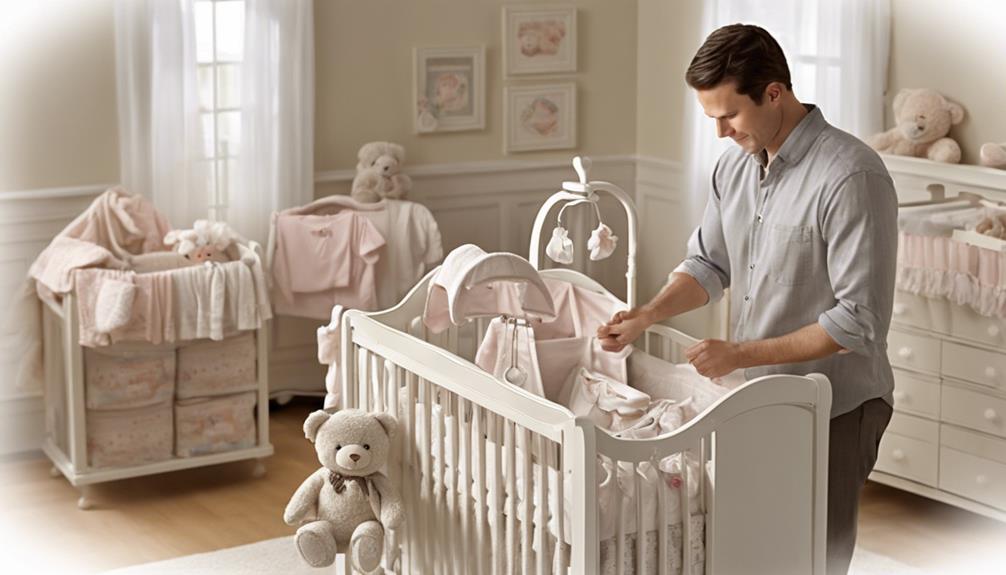

Witnessing Mark’s diligent search for parenting courses and baby equipment, his unspoken eagerness revealed much about his concealed longing for fatherhood. These nuanced signals, frequently missed amidst the bustle of everyday activities, can provide deep understanding into our significant other’s most profound hopes.
By paying attention to these nuanced cues, we may uncover a world of unspoken hopes and dreams that shape the trajectory of our relationships. Join us as we unravel the intricate web of signs that hint at a yearning for parenthood, shedding light on the unspoken desires that guide our shared futures.
Key Takeaways
- Excitement around children, future talks, and eagerness to care for kids indicate a desire for parenthood.
- Directly expressing readiness for a baby, discussing family plans, and focusing on financial stability signal parenthood intentions.
- Increased intimacy, pregnancy discussions, and positive lifestyle changes show a readiness for parenthood.
- Using 'we' language, making joint decisions, and seeking family approval signify a shared future and parenthood readiness.
Behavioral Cues for Parenthood Desire
When observing someone for signs of a desire for parenthood, it's crucial to pay close attention to their behavioral cues. Nonverbal signals can often reveal a person's parenting mindset even before they express it verbally.
Watch for how they interact with children, their body language around kids, and if they show eagerness to care for little ones. A genuine desire for parenthood may manifest through actions like offering to babysit, expressing fondness for childhood photos, or being particularly attentive to the needs of children.
These subtle cues can speak volumes about someone's readiness and longing to embark on the journey of parenthood. By being attuned to these behavioral hints, we can better understand and connect with their unspoken yearning for a family.
Verbal Communication of Parenting Intentions

As we explore the verbal cues of parenting intentions, understanding how individuals express their desire for parenthood through direct communication becomes paramount.
- Parenting Roleplay: Engaging in scenarios that involve parenting interactions can signal a deep-rooted desire for children.
- Parenthood Discussions: Openly talking about future family plans and expressing excitement about the prospect of having children are clear indicators of parental intentions.
- Baby Name Brainstorm: Initiating discussions about potential baby names and envisioning the future with a family can demonstrate a genuine longing for parenthood.
Physical Intimacy and Pregnancy Readiness
Let's delve into the intimate aspects of physical closeness and the readiness for pregnancy as key indicators of a shared parenthood journey. When it comes to physical intimacy and pregnancy readiness, being in tune with fertility awareness and understanding intimate timing can play a significant role in signaling a mutual desire for parenthood. Here is a table highlighting the importance of these aspects:
| Fertility Awareness | Intimate Timing |
|---|---|
| Tracking menstrual cycle | Planning intimate moments |
| Understanding ovulation | Scheduling dates around fertile periods |
| Being aware of fertile days | Being attentive to ovulation signs |
| Discussing ovulation planning | Adjusting intimacy around ovulation |
| Being informed about fertility | Prioritizing intimacy during peak fertility |
Preparation Signs for Future Parenting
We can now explore the signs of preparation for future parenting, indicating a readiness for the journey ahead.
- Nursery Decor Trends: Keeping an eye on the latest nursery decor trends shows a proactive approach to creating a welcoming environment for your future little one.
- Parenting Classes: Enrolling in parenting classes demonstrates a willingness to learn and prepare for the challenges and joys parenthood will bring.
- Baby Registry Essentials: Researching and curating baby registry essentials is a practical step towards ensuring you're equipped with everything necessary for your baby's arrival.
Family Planning and Commitment Indicators
Considering the importance of family planning and commitment in laying a strong foundation for a stable and nurturing environment, it's crucial to establish mutual goals and discuss long-term aspirations together. Financial stability plays a vital role in preparing for parenthood, ensuring that you can provide for your future family's needs.
Planning for long-term commitment involves more than just discussions; it requires actions that demonstrate a shared responsibility towards building a secure future. Prioritizing savings for children, discussing buying a home together, and focusing on stability are key indicators of readiness for the journey of parenthood.
Shared Future and Parenthood Clues

Understanding the signs that indicate a shared future and desire for parenthood can nurture a strong foundation for building a fulfilling family journey.
- Parenthood Readiness: Observing a partner's eagerness to discuss future plans that involve children and a shared commitment to parenthood.
- Relationship Dynamics: Noticing the use of inclusive language like 'we' in conversations, indicating joint decision-making and a unified approach towards the future.
- Future Plans and Long-Term Commitment: Recognizing efforts towards building a stable environment for a potential family, such as discussing settling down, buying a house, or seeking approval from each other's families.
These subtle clues can provide valuable insights into your partner's mindset and readiness for a shared future filled with the joys of parenthood.
Ovulation Tracking and Fertility Intentions

Exploring ovulation tracking and fertility intentions can provide valuable insights into planning for future family expansion and understanding reproductive health dynamics. When it comes to fertility awareness and timing intimacy, paying attention to ovulation signs and planning for conception is crucial. Being aware of ovulation timing can enhance the chances of successful conception and pregnancy. Here is a table to help you better grasp the importance of ovulation tracking in family planning:
| Fertility Awareness | Timing Intimacy | Ovulation Signs | Conception Planning |
|---|---|---|---|
| Understanding menstrual cycle | Scheduling intimate moments | Noticing changes in cervical mucus | Planning sexual activity around fertile days |
| Tracking basal body temperature | Communicating openly about fertility | Sensing ovulation cramps | Monitoring ovulation with ovulation predictor kits |
| Noting changes in cervical position | Being mindful of partner's desires | Recognizing increased libido | Considering lifestyle changes to boost fertility |
Keeping these factors in mind can help in achieving your family planning goals effectively.
Contraception Sabotage and Pregnancy Signs
Upon noticing potential signs of contraception sabotage and pregnancy intentions, it's crucial to address these concerns with open communication and understanding.
- Trust Building Exercises: Engage in activities that promote trust and honesty within your relationship to address any doubts or insecurities.
- Relationship Dynamics: Evaluate the dynamics of your relationship to ensure both partners are on the same page regarding family planning and readiness for parenthood.
- Communication is Key: Foster open and honest communication to discuss feelings, concerns, and aspirations about parenthood, creating a safe space for both partners to express their desires and intentions.
Expressing Desire for Children Actions
As partners, it's essential to recognize and embrace the actions that express a genuine desire for children, fostering a deeper connection and understanding within the relationship.
Nonverbal gestures and emotional cues can speak volumes about one's longing for parenthood. Pay attention to physical affection and subtle hints that convey a yearning for family life.
From lingering touches to shared dreams, these actions can reveal a partner's unspoken wishes for children. By being attuned to these subtle signals, you can navigate this journey towards parenthood together, strengthening your bond and creating a space for open dialogue.
Mindset Shift Towards Parenthood

Navigating the journey towards parenthood often involves a significant shift in mindset, reflecting a readiness to embrace the challenges and joys of starting a family.
- Emotional Readiness: Recognizing and processing the array of emotions that come with the decision to become parents is crucial for a smooth transition.
- Psychological Transition: Shifting from a focus on oneself to a focus on nurturing and caring for another being requires a profound psychological adjustment.
- Mindset Alignment: Aligning your thoughts, beliefs, and values with the responsibilities and joys of parenthood is essential for a successful transition into this new phase of life.
Understanding and actively engaging in this mindset shift can pave the way for a fulfilling and harmonious journey into parenthood.
Frequently Asked Questions
Can Past Experiences With Children Influence a Person's Desire for Parenthood?
Childhood experiences play a vital role in shaping one's desire for parenthood. Past interactions with children can deeply impact our views on family planning. These encounters foster personal growth and influence our aspirations for starting a family.
How Can Cultural Background and Upbringing Impact Someone's Readiness for Parenthood?
As we navigate the intricacies of parenthood readiness, it's vital to acknowledge how cultural influences and childhood experiences shape our perspectives.
Our upbringing molds our values and expectations, impacting our approach to starting a family. Cultural backgrounds instill unique beliefs and practices, guiding us towards or away from parenthood.
Understanding these influences allows us to appreciate the diverse paths individuals walk on their journey to becoming parents.
What Role Does Career Stability Play in a Person's Decision to Start a Family?
Career stability plays a crucial role in our decision to start a family. It provides a sense of security and financial stability needed to support a growing family.
Feeling confident in our job allows us to focus on building a strong foundation for our future children. It gives us peace of mind knowing that we can provide for our family's needs and create a nurturing environment for our children to thrive.
Are There Any Psychological Factors That May Affect a Person's Desire for Parenthood?
When considering parenthood, psychological factors like the ticking biological clock and societal norms can influence desires. Personal values and emotional readiness also play significant roles. It's important to navigate these pressures with empathy and insight.
Understanding one's internal motivations and external influences can help in making a decision that aligns with individual needs and desires. It's a delicate balance of self-discovery and societal expectations that shape our readiness for parenthood.
How Can Previous Relationships and Family Dynamics Influence Someone's Readiness to Become a Parent?
Influences from past relationships and family dynamics can significantly shape our readiness for parenthood. Relationship dynamics and childhood experiences can impact personal growth and emotional readiness. Understanding these influences helps us navigate the complexities of starting a family.
Conclusion
As we journey through the subtle signs of desire for parenthood, it's natural to have doubts or fears about taking that next step. However, by recognizing and embracing these cues, we can build a stronger foundation for our shared future.
Trusting in our partner's readiness and communicating openly about our hopes and dreams for a family can bring us closer to the joy and fulfillment that parenthood can bring.
Let's take these signs as an invitation to embark on this beautiful journey together.