
Media heavily influences how society views childfree choices by often portraying parenthood as the only fulfilling path and reinforcing stereotypes about gender, race, and background. It tends to marginalize those who choose to be childfree, making their decisions seem unconventional or selfish. Limited diversity in media representations further restricts understanding, perpetuating misconceptions. If you explore more, you’ll discover how inclusive stories can change perceptions and foster a more accepting view of all lifestyles.
Key Takeaways
- Media often depict parenthood as the default life goal, reinforcing societal expectations and stereotypes.
- Limited diverse representations of the childfree experience marginalize non-traditional choices.
- Stereotypes linking being childfree to selfishness or unconventionality persist due to media portrayals.
- Media’s focus on traditional family roles discourages open conversations about alternative lifestyles.
- Inclusive media narratives can challenge stereotypes and normalize diverse reasons for remaining childfree.

Have you ever noticed how media shapes our understanding of choosing a childfree life? It’s often your first encounter with what society considers normal or expected, and it heavily influences how you perceive those who decide to remain childfree. Media tends to depict parenthood as the default life path, subtly reinforcing gender stereotypes that suggest women are naturally destined to be caregivers and mothers, while men are portrayed as providers or less involved parents. These stereotypes impact not just societal views but also how individuals internalize their own choices. When media consistently emphasizes motherhood as a woman’s ultimate fulfillment, it can make those who decide against having children feel marginalized or misunderstood. Conversely, portrayals of childfree individuals as selfish or unconventional perpetuate negative stereotypes, discouraging open conversations and fostering judgment.
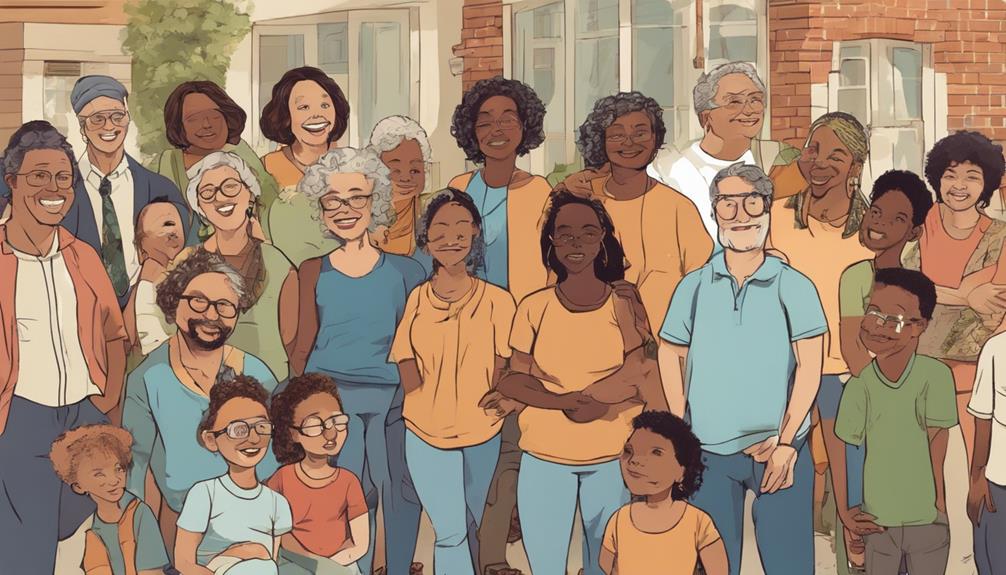
Representation diversity in media plays a pivotal role in shaping these narratives. Historically, media has largely shown a narrow view—often emphasizing middle-class, heterosexual, white families—leaving little room for a broader understanding of what it means to be childfree. This lack of diversity limits the visibility of different experiences, making it harder for people from varied backgrounds to see themselves reflected in positive, relatable ways. When media ignores or stereotypes diverse identities—such as different races, sexual orientations, or socioeconomic backgrounds—it reinforces the misconception that the choice to be childfree is only valid for a certain type of person. Without representation diversity, the narrative remains skewed, pushing a one-size-fits-all view that doesn’t account for the complex realities of individual lives. Increased media representation of diverse experiences can challenge these stereotypes and foster a more inclusive understanding.
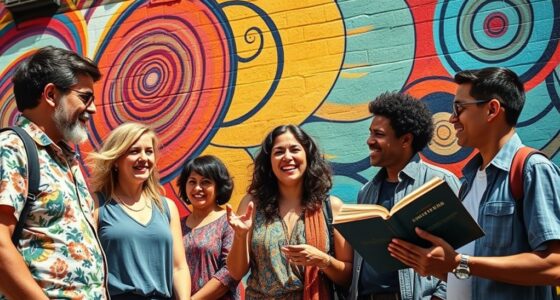
As you consume media, you’ll notice how these portrayals influence societal attitudes and personal beliefs. If you rarely see authentic stories about diverse, childfree individuals, it becomes easier to accept stereotypes or dismiss alternative choices as abnormal. But when media begins to showcase a wider range of experiences—highlighting people of different genders, ethnicities, and backgrounds living fulfilling childfree lives—it challenges these stereotypes. It helps normalize the decision and broadens the understanding that there’s no single way to live happily or meaningfully without children. Ultimately, media’s role in shaping narratives about gender stereotypes and representation diversity can either reinforce outdated ideas or foster a more inclusive perspective, guiding society toward greater acceptance and understanding of the many reasons someone might choose to remain childfree.
Frequently Asked Questions
How Do Media Portrayals Influence Societal Perceptions of Childfree Individuals?
Media portrayals influence societal perceptions of childfree individuals by shaping stereotypes and highlighting representation diversity. When media consistently reinforce stereotypes, such as portraying childfree people as selfish or unhappy, it impacts how society views them. Conversely, diverse and positive representations foster understanding and acceptance. You notice that when media show varied, realistic stories of childfree lives, perceptions shift toward respect, reducing stigma and encouraging a more inclusive perspective.
Are There Any Positive Media Examples That Support Childfree Narratives?
Sure, there are a few shining stars in the media sky. Shows like “The Bold Type” and “Younger” offer positive portrayals, showcasing confident, empowered childfree characters who challenge stereotypes. These narratives promote understanding and acceptance, turning the spotlight on diverse life choices. By highlighting empowered narratives, media can help normalize childfree lifestyles, inspiring others to embrace their decisions without shame or stigma.
How Does Media Representation Differ Across Cultures Regarding Childfree Choices?
You’ll notice that media representation of childfree choices varies widely across cultures, often shaped by cultural stereotypes and societal norms. In some places, media portrays childfree individuals positively, emphasizing personal freedom, while in others, representation disparities tend to reinforce traditional expectations of parenthood. These differences influence how audiences perceive childfree lifestyles, either normalizing or stigmatizing them, depending on the cultural context and the media’s portrayal.
What Role Do Social Media Platforms Play in Shaping Childfree Identities?
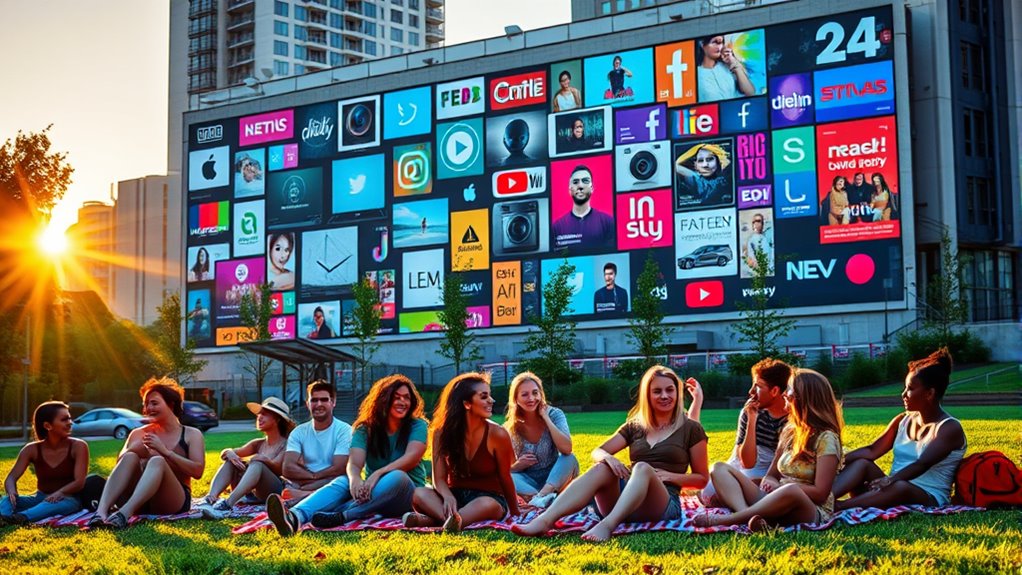
Imagine you join an online community where people share their childfree journeys, inspiring you with diverse perspectives. Social media platforms shape your childfree identity through influencer narratives that normalize and celebrate this choice. These platforms foster connections, offer support, and challenge stereotypes, empowering you to embrace your decision confidently. By engaging with such online communities, you find solidarity and affirmation, making your childfree identity more visible and accepted.
How Has Media Coverage of Childfree Topics Evolved Over the Past Decade?
Media coverage of childfree topics has evolved with more positive media framing and diverse storytelling techniques. You see stories highlighting personal choice and societal benefits, shifting away from stereotypes. Over the past decade, coverage becomes more inclusive, emphasizing individual narratives, which helps normalize childfree lifestyles. This evolution encourages understanding and acceptance, empowering you to view the childfree choice as a valid, respected decision in modern society.
Conclusion
So, next time you see a media portrayal of childfree folks, remember it’s just as reliable as a fairy tale—charming, but often wildly inaccurate. Media shapes narratives with a flick of the keyboard, turning diverse choices into stereotypes or punchlines. If you think they’re all just “selfish” or “fearful,” maybe look beyond the screen. After all, in the grand story of life, the most interesting characters are those who choose their own adventure—no media script needed.