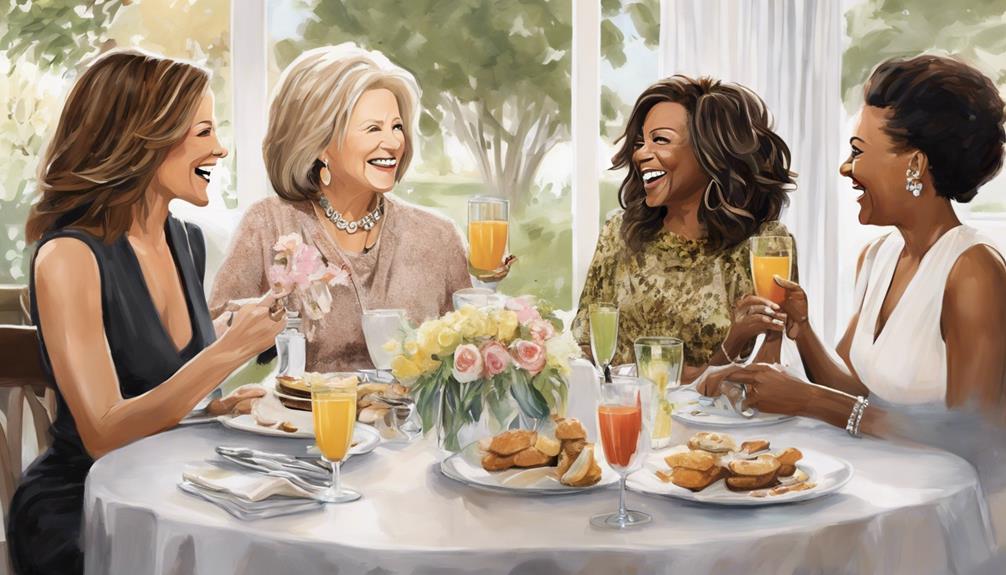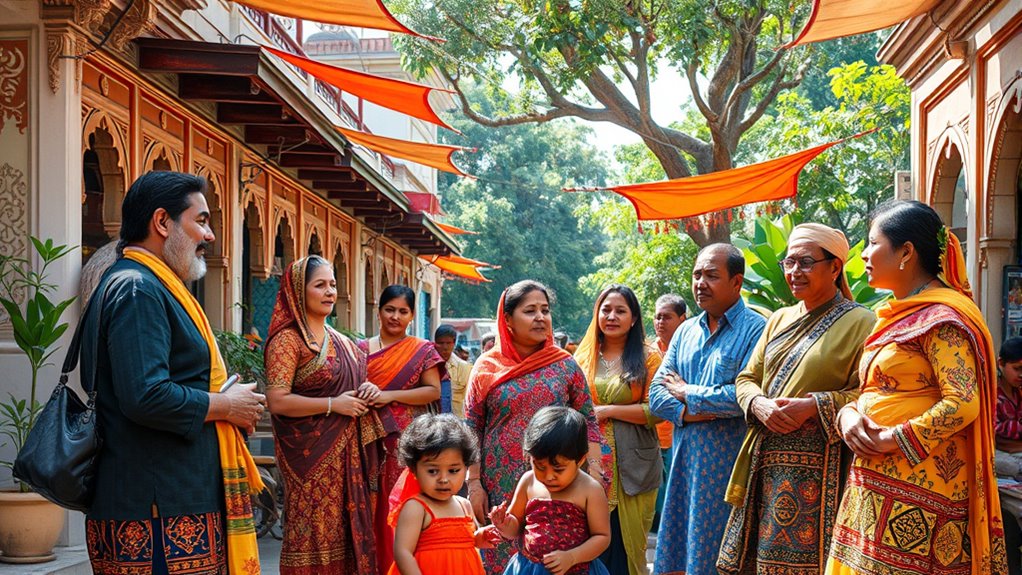

Across cultures, perspectives on being childfree vary widely. Many societies see parenthood as a essential duty, often viewing those without children as selfish or incomplete. Family and community pressures can challenge your choices, especially in traditional settings where procreation is a moral obligation. However, attitudes are shifting in progressive cultures, recognizing personal fulfillment beyond parenthood. If you explore further, you’ll discover how these cultural nuances shape individual experiences and evolving societal views.
Key Takeaways
- Cultural norms often view parenthood as a moral obligation, influencing societal perceptions of childfree individuals.
- In many cultures, choosing a childfree life can be seen as rejecting family values or responsibilities.
- Societal pressure and family expectations frequently challenge and question the decision to remain childfree.
- Progressive societies are increasingly accepting diverse lifestyle choices, including being childfree, reflecting shifting cultural attitudes.
- Personal autonomy in choosing a childfree life acts as a form of resistance against traditional norms and promotes cultural change.

Across different cultures, choosing to remain childfree often challenges traditional expectations and societal norms. In many societies, there’s an ingrained belief that becoming a parent is an essential milestone, a natural duty, or even a measure of personal success. These deeply rooted parenthood expectations influence how people view those who decide not to have children. Cultural norms may portray childfree individuals as selfish or incomplete, making it difficult for you to openly express your decision. You might feel pressure to conform, especially when family members or community members question your choice or imply that you’re missing out on life’s purpose. This societal backdrop can create tension, even if you’re confident in your decision.
In some cultures, the idea of not having children is seen as a rejection of family values or a lack of responsibility. You may encounter comments suggesting that your life lacks meaning without offspring or that you’re shirking your duty to carry on the family lineage. These perceptions are often reinforced by societal expectations that prioritize collective well-being over individual happiness. The pressure to conform can be intense, especially if the community views parenthood as an essential rite of passage. You might find yourself defending your decision repeatedly, explaining that personal fulfillment and happiness don’t necessarily require parenthood. Yet, despite this, many choose to stand firm, recognizing that cultural norms are evolving, and personal choices matter.
In some regions, the stigma around being childfree is stronger, fueled by traditional religious or cultural beliefs emphasizing procreation as a moral obligation. You may be told that you’re denying a divine or natural order, which can cause feelings of guilt or shame. Conversely, in more progressive societies, the shift toward acceptance is growing, and being childfree is increasingly recognized as a valid lifestyle choice. Still, even in these environments, cultural expectations can subtly influence perceptions, making it necessary for you to navigate social interactions carefully.
Ultimately, your decision to remain childfree can serve as a form of quiet resistance against these ingrained cultural norms. It’s an assertion of your autonomy and a challenge to the notion that happiness and fulfillment are only achievable through parenthood. While societal and cultural pressures may persist, understanding that many others have faced similar challenges can empower you. You’re not alone in questioning long-standing assumptions, and your choice can contribute to broader shifts in how society perceives parenthood expectations. By staying true to yourself, you help pave the way for more diverse definitions of success and happiness across different cultures. Recognizing that creativity can be cultivated through personal choices and mindset can also provide strength in asserting your life path.
Frequently Asked Questions
How Do Childfree Individuals Navigate Workplace Expectations Globally?
You navigate workplace expectations by advocating for workplace flexibility, which allows you to balance your personal choices with professional responsibilities. In cultures with greater acceptance of childfree lifestyles, you might find it easier to request accommodations or discuss your preferences openly. However, in areas with less cultural acceptance, you may need to be more discreet or strategic. Overall, understanding local norms helps you manage expectations while staying true to your childfree choice.
What Are the Economic Impacts of Childfree Choices in Different Societies?
You might be surprised to learn that in some societies, up to 30% of adults choose to be childfree, impacting economic productivity and societal demographics. Your choice to be childfree can lead to increased personal savings and workforce participation, boosting economic growth. However, it might also result in aging populations and shrinking workforces, challenging societal support systems. Ultimately, your decision influences broader economic trends and demographic shifts across cultures.
How Do Religious Beliefs Influence Childfree Perspectives Across Cultures?
Religious doctrines greatly influence your view on being childfree, often shaping cultural norms around family and reproduction. In some societies, religious teachings emphasize procreation, making childfree choices less accepted. Conversely, other cultures interpret doctrines more flexibly, allowing personal preferences to take precedence. Your beliefs, shaped by these doctrines and norms, determine whether you see remaining childfree as a personal choice or a challenge to traditional values.
Are There Legal Rights Differences for Childfree People Worldwide?
You’ll find that legal protections for childfree individuals vary worldwide. Some countries grant legal rights that support your choice, like anti-discrimination laws and healthcare access, while others lack specific protections. Parental rights are often prioritized, making it harder for childfree people to access certain benefits or protections. To safeguard your interests, it’s essential to understand local laws, as legal rights and protections differ markedly depending on where you live.
How Does Media Representation Shape Perceptions of Childfree Lifestyles?
Media representation shapes your perception of childfree lifestyles by reinforcing stereotypes that can be misleading or negative. Media stereotypes often depict childfree individuals as selfish or incomplete, which impacts how society views them. When the representation impact is limited to these stereotypes, it can lead to misunderstanding or judgment. However, positive and diverse portrayals can challenge these views, helping you see childfree choices as valid and empowering.
Conclusion
As you explore these diverse cultural views, remember that choosing a childfree life is often seen as a personal journey rather than a simple decision. Embracing your own path allows you to gracefully navigate society’s expectations, weaving your story into the rich tapestry of human experience. Ultimately, whether you walk a traditional or unconventional route, your choices add depth and color to the world around you, reminding us all that happiness takes many beautiful forms.