
TL;DR

Turn your wind-down time into listening time
- Thousands of audiobooks, podcasts and originals
- Listen on your phone, tablet or Echo — also offline
- Cancel anytime
A Sixty and Me essay argues that retirement from paid employment need not mean giving up opportunities to contribute. It describes mentoring, volunteering, helping neighbors and sharing knowledge as options, while stressing that usefulness should not come at the cost of health or personal time.
Sixty and Me has published an essay arguing that older adults can continue to contribute after leaving paid employment, through activities such as mentoring, volunteering and helping neighbors. The piece distinguishes retirement from a job from withdrawing from useful roles, while emphasizing that contributions should fit a person’s health, interests and available time.
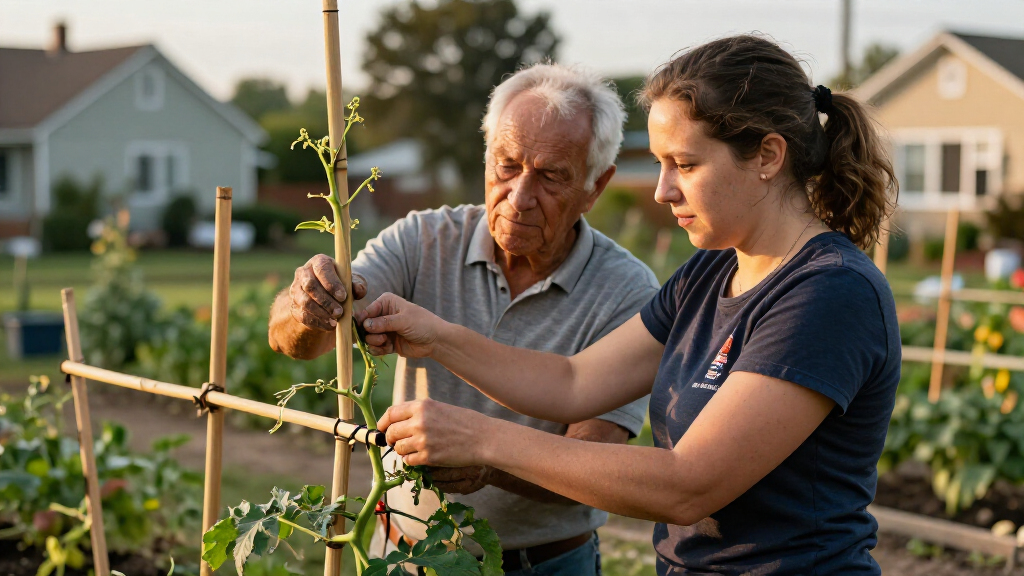
The essay, titled “Why We Should Never Retire from Being Useful,” says employment is only one way to contribute. It points to older adults’ experience in work and family life as a resource that can be shared with younger people and communities. Examples include tutoring, teaching a skill, assisting a nonprofit, caring for an animal or regularly checking in on someone who lives alone.
It also describes less visible contributions, including recording family stories, passing along recipes and traditions, listening to someone who needs support, or helping a community group remotely. The article says physical limitations may change what a person can do, but do not by themselves mean that person has nothing to offer. It suggests asking what is possible now rather than measuring current abilities against those of earlier years.
The essay adds a qualification: contribution should not become an obligation to accept every request or exhaust oneself. It says retirees can choose commitments that suit their energy and circumstances, and that even a small amount of time may be meaningful. The article also recognizes that rest, pleasure and time for oneself remain part of retirement.
Contribution Beyond Paid Work
The essay challenges the idea that a person’s useful role ends when a career does. That distinction may matter to retirees adjusting to the loss of routines, responsibilities or regular contact with colleagues. The article’s examples broaden the meaning of contribution beyond paid employment and high-profile volunteering to include everyday support for one person or a local group.
Its argument is an invitation to consider ways of staying connected and sharing experience, not evidence that every retiree feels a loss of purpose or needs to take on new duties. The piece also cautions against turning usefulness into pressure: personal health, capacity and choice should shape any commitment.
As an affiliate, we earn on qualifying purchases.
From Career to Other Roles
The Sixty and Me article describes a common change that can accompany retirement: the end of a work schedule and the expectations attached to a job. It says the freedom to travel, pursue hobbies or slow down can be welcome, while some people may later miss feeling needed. The essay frames that feeling as distinct from missing the job itself.
Its proposed response is not necessarily a return to work. Instead, it lists practical roles that can draw on a person’s knowledge, time or ability to listen. It also notes that remote communication and other technology can create ways to teach, volunteer or assist from home, though the article does not present research measuring the effects of those activities.
“A job may end at 60, 65, or 70. Our ability to contribute does not.”
— Sixty and Me essay
Evidence and Publication Details
The source is an opinion essay, not a reported study or survey. It offers examples and arguments but does not provide data on how many retirees experience a loss of purpose, whether specific activities improve well-being, or which forms of contribution are most effective. The source material also does not state the article’s publication date or identify its author, so those details cannot be confirmed here.
It is also not possible to infer that every older adult wants or is able to volunteer, mentor or take on other responsibilities. The essay acknowledges differing health and energy levels, but does not discuss specific support programs or barriers to participation.
Choosing a Sustainable Role
The essay offers no announced program or policy change. Its closing invitation is for readers to reflect on how they already contribute and whether there is another way they would like to feel needed. For someone interested in acting on that idea, the article’s examples point to small, flexible possibilities—such as a regular call, a short volunteer commitment or sharing a skill—rather than a return to a demanding job.
The source does not set out a formal next step or follow-up report. Any role would need to be chosen by the individual and adjusted to personal circumstances; the article’s central point is that retirement from employment does not require retirement from every form of contribution.
Key Questions
What is the Sixty and Me essay arguing?
It argues that retiring from paid work does not have to mean stopping all contribution. Older adults can share experience or help others in ways that suit their circumstances.
Does being useful have to mean getting another job?
No. The essay gives examples such as mentoring, volunteering, helping neighbors, tutoring and recording family stories. It treats paid employment as one option among many.
How does the article address physical limitations?
It says a person’s role may need to change with age, health or energy. It suggests considering what someone can contribute now, including remote or lower-energy activities.
Does the essay say retirees should always say yes to requests?
No. It cautions against overcommitting and says contribution should not come at the expense of health, rest or personal time.
Is the article based on a study?
The supplied source is an essay offering advice and perspective. It does not cite research or provide data measuring the effects of post-retirement activities.
Source: rss
Columbus Day / Indigenous Peoples' Day Picks
long weekend sales
As an affiliate, we earn on qualifying purchases.