Extraversion and introversion are about how you draw energy—whether from social activities or solitude. If you thrive on interactions, feel energized after group events, and prefer active settings, you’re likely an extravert. If you feel recharged in quiet moments, enjoy reflection, and prefer smaller, intimate gatherings, you’re probably an introvert. Your natural orientation influences how you manage your energy daily. Keep exploring to better understand your unique way of thriving.
Key Takeaways
- Extraverts gain energy from social interactions and lively environments, while introverts recharge through solitude and internal reflection.
- Extraverts think out loud and seek external stimulation, whereas introverts process internally and prefer quiet contemplation.
- Social settings invigorate extraverts, but can drain introverts, who favor smaller groups and peaceful spaces.
- Both energy orientations influence daily choices, with extraverts pursuing active engagement and introverts valuing downtime.
- Understanding these differences promotes authentic living and supports mental and emotional well-being.
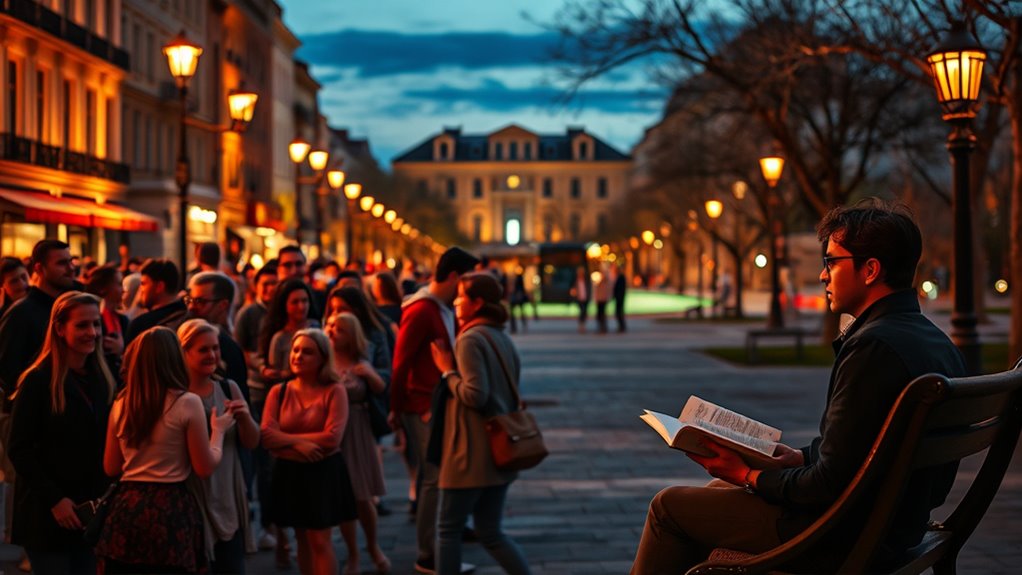
Have you ever wondered what truly differentiates extraversion from introversion? It all comes down to how you recharge your energy and where you direct your focus. Extraverts tend to thrive on social interaction, drawing energy from engaging with others. You might find that after a lively conversation or a group activity, you feel invigorated and ready to take on more. Conversely, introverts often gain strength through internal reflection. Spending time alone allows them to process their thoughts, recharge, and gain clarity. It’s not that introverts dislike social interaction; they simply prefer quality over quantity and need solitude to restore their energy. Recognizing your personality traits can help you better understand your natural preferences and behaviors.
Extraverts thrive on social energy, while introverts find strength in quiet reflection and solitude.
This difference in energy orientation influences how you approach various situations in life. If you’re an extravert, you probably find social gatherings stimulating and enjoy being around lots of people. You might feel energized by the buzz of conversations, group activities, and new experiences. For you, social interaction isn’t just enjoyable; it’s a crucial source of motivation. On the other hand, if you’re an introvert, social interactions might drain you, especially in large or noisy settings. You might prefer one-on-one conversations or small groups, where meaningful dialogue can flourish without overwhelming your senses. Solitude isn’t just a preference; it’s essential for your mental and emotional well-being.
Understanding your energy orientation also helps clarify how you process your thoughts. Extraverts often think out loud, bouncing ideas off others or engaging in discussions to develop their understanding. They tend to be more outward-focused, seeking external stimulation to refine their perspectives. In contrast, introverts usually process internally, reflecting quietly on their thoughts before sharing them. This internal reflection allows them to develop well-considered insights and responses. Recognizing this difference can improve your communication and relationships, as you’ll better appreciate why some people seek external input while others prefer solitude for deep thinking.
Your natural inclination toward social interaction or internal reflection influences your daily choices and interactions. If you’re extraverted, you might seek out social events and lively environments to energize yourself. If you’re introverted, you may prioritize quiet spaces and solitary activities to recharge. Neither approach is better—just different ways of managing your energy. By understanding where you derive your strength, you can make intentional decisions that support your well-being and help you thrive in various settings. Whether you gain energy through social interaction or internal reflection, embracing your natural orientation is key to living authentically and comfortably.
Frequently Asked Questions
Can Someone Switch Between Extraversion and Introversion?
Yes, you can switch between extraversion and introversion, especially during situational shifts. Your social adaptability allows you to be more outgoing in some settings and more reserved in others. This fluidity helps you navigate different environments effectively. While your core tendencies remain, adapting your energy orientation based on the situation enables you to connect better and feel comfortable, making it a natural part of your social behavior.
How Do Cultural Differences Influence Energy Orientation?
You might think cultural differences don’t impact your energy orientation, but they do. Cultural expression and social norms shape how comfortable you feel being outgoing or reserved. In some cultures, extroversion is celebrated, encouraging social interaction, while others value introversion, emphasizing reflection. These influences can subtly steer your preferred energy orientation over time, showing that your personality adapts to your cultural environment more than you might realize.
Do Personality Disorders Affect Extraversion or Introversion?
Personality disorders can influence your social behavior and alter typical personality traits like extraversion or introversion. For example, someone with social anxiety may appear more introverted, avoiding social interactions, while a person with narcissistic tendencies might seem more extraverted due to their need for attention. These disorders don’t define your entire personality but can profoundly impact how you engage socially and express your energy.
How Do Childhood Experiences Shape Energy Orientation?
Your childhood experiences shape your energy orientation through childhood socialization and parental influence. If you’re encouraged to be outgoing and socialize, you’re more likely to develop extraversion. Conversely, if your parents promote independence and reflection, introversion may develop. These early interactions help you learn how to manage your energy in social situations, influencing whether you feel energized by others or prefer solitary activities as you grow.
Can Energy Orientation Change Over a Person’s Lifespan?
Like a river carving new paths, your energy orientation can change over your lifespan. While personality stability offers a core, environmental impact can gently shift your tendencies toward extraversion or introversion. Life experiences, relationships, and personal growth influence this flow, making you more adaptable. So, yes, your energy orientation isn’t fixed; it evolves as you navigate different stages and circumstances, allowing you to grow and discover new aspects of yourself.
Conclusion
Whether you’re energized by social interactions or find solace in solitude, understanding your orientation helps you navigate the world better. Think of extraversion and introversion as two sides of the same coin—each offering unique strengths. Embrace your natural tendencies like a favorite song that lifts your mood. Remember, there’s no right or wrong—just your authentic self shining bright, like a lighthouse guiding your personal journey through life’s social seas.