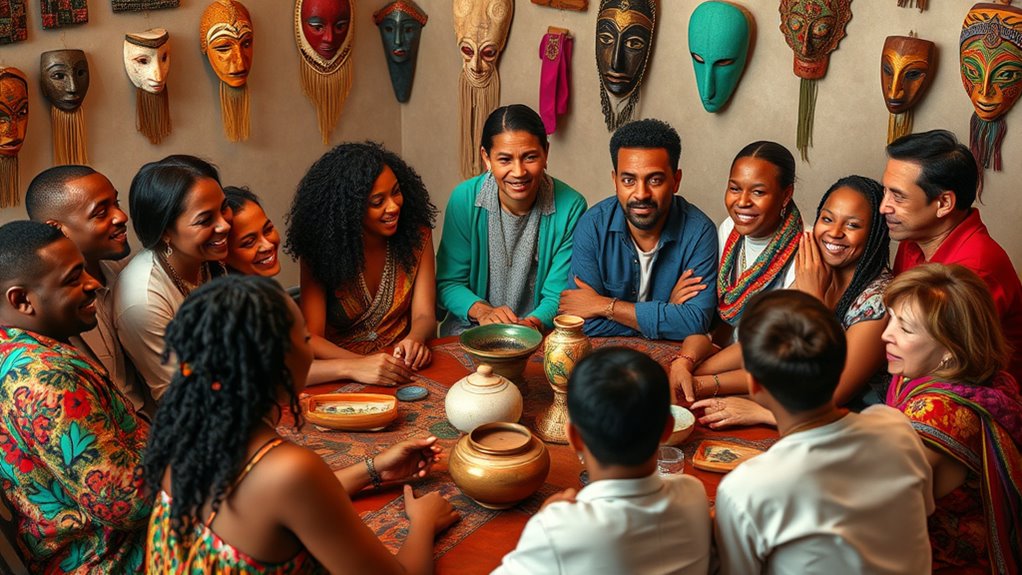

Cultural norms shape how you express, interpret, and value MBTI types across societies. In collectivist cultures, traits like harmony and cooperation are emphasized, influencing how types are seen and manifested. Conversely, individualist cultures favor independence and self-expression. These differences affect how personality traits are perceived and identified, making MBTI interpretations vary widely. If you continue exploring, you’ll discover how cultural influences deepen your understanding of personality diversity worldwide.
Key Takeaways
- Cultural norms influence the prevalence and expression of MBTI types across different regions.
- Societal values shape how personality traits are perceived and valued in various cultures.
- Western cultures emphasize individualism, affecting MBTI type distribution and self-perception.
- Eastern societies prioritize harmony and collectivism, impacting MBTI identification and trait expression.
- Understanding cultural context enhances the accuracy and relevance of MBTI assessments worldwide.
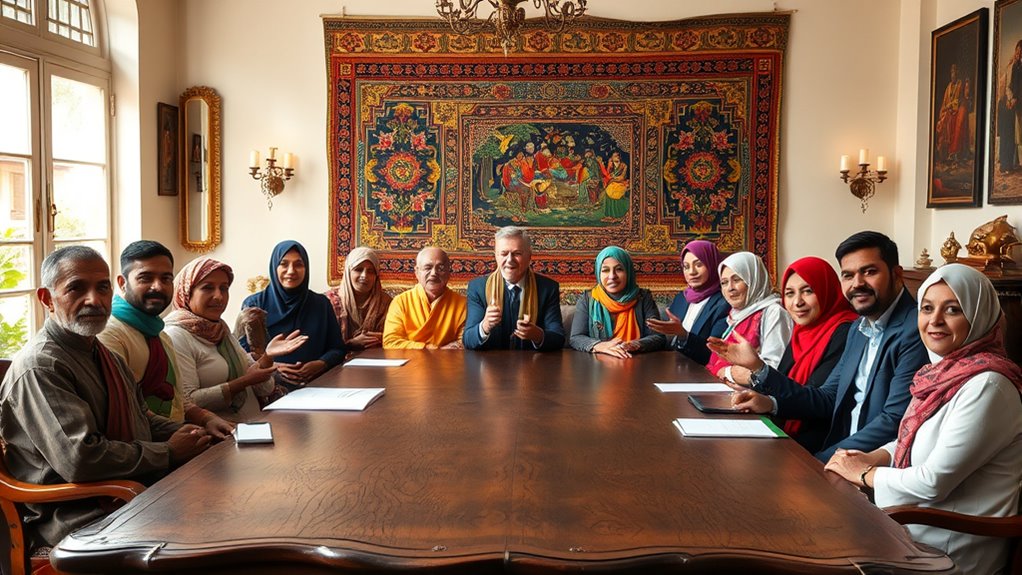
Understanding Myers-Briggs Type Indicator (MBTI) types offers a fascinating glimpse into how different cultures perceive personality traits. You might notice that certain types are more prevalent in some regions than others, revealing the influence of cross-cultural personality norms. These norms shape how people interpret behaviors and traits, often dictating what is considered socially acceptable or desirable. For instance, in collectivist societies, traits like harmony and cooperation are highly valued, which can lead to a higher prevalence of types that emphasize social harmony. Conversely, individualist cultures may favor traits associated with independence and self-expression, influencing the distribution of MBTI types accordingly.
Cultural norms influence MBTI type prevalence, shaping traits valued in different societies.
Cultural influences on type distribution are profound because they mold the way personality traits are expressed and understood. In some cultures, expressing emotions openly might be seen as a sign of strength, leading to more individuals identifying with types that are characterized as expressive and outgoing. In others, restraint and self-control are prized, fostering more reserved MBTI profiles. These cultural expectations impact not only how individuals see themselves but also how they are perceived by others, reinforcing certain personality patterns over time. When you consider these factors, it becomes clear that MBTI types are not just a reflection of individual differences but are also shaped by broader societal values.
Moreover, cross-cultural differences in personality norms influence how people interpret and respond to the MBTI framework itself. In Western cultures, there’s often a focus on self-discovery and personal development, which encourages people to explore and embrace their MBTI types openly. In contrast, in some Eastern cultures, the emphasis on group harmony and social roles might mean that individuals are less inclined to identify strongly with a particular type, viewing personality as more fluid or context-dependent. This can affect how MBTI assessments are received and integrated into personal and professional settings across different cultures.
In addition, the cultural context can influence the accuracy and relevance of MBTI assessments, as some traits may be valued differently or expressed in unique ways depending on societal norms. In essence, understanding these cultural nuances helps you recognize that MBTI types are not universally fixed or interpreted uniformly. The way personality traits are valued and expressed is deeply intertwined with cultural norms, influencing the distribution of types across populations. Recognizing this can deepen your appreciation for the diversity of human personalities and the importance of cultural context in understanding individual differences. It reminds you that personality is not just a matter of biology but also a reflection of the cultural environment in which you live.
Frequently Asked Questions
How Does MBTI Influence Cross-Cultural Communication Styles?
MBTI influences your cross-cultural communication by shaping your cultural adaptability and how you perceive stereotypes. Knowing someone’s MBTI type helps you understand their communication style, making it easier to adapt and avoid misunderstandings. However, be cautious of stereotype perception; don’t assume all behaviors match the type. Instead, use MBTI as a tool to foster openness, improve your cultural sensitivity, and build stronger, more effective relationships across diverse backgrounds.
Are Certain MBTI Types More Prevalent in Specific Cultures?
You’ll find that certain MBTI types are more prevalent in specific cultures due to cross-cultural personality patterns and cultural type distribution. For example, collectivist societies may have more ISFJ or ESFJ types, emphasizing harmony and community, while individualist cultures might see more INTJ or INTP types, valuing independence and innovation. Recognizing these trends helps you understand how cultural influences shape personality expression across different societies.
How Do Cultural Values Affect MBTI Type Development?
Cultural values shape your MBTI type development by influencing your cultural identity and how you adapt your personality. In different cultures, you might emphasize traits like collectivism or individualism, which affect your personality adaptation. These cultural influences can lead you to develop certain MBTI preferences, aligning your behavior with societal expectations. Ultimately, your cultural background plays a significant role in shaping how your personality evolves within your environment.
Can Cultural Differences Change MBTI Type Interpretations?
Yes, cultural differences can change MBTI type interpretations. You might notice cultural biases influencing how you or others perceive certain traits, leading to stereotype formation. These biases can cause you to view a personality type through a cultural lens, skewing its true meaning. As a result, your understanding of MBTI types may shift, emphasizing certain traits while downplaying others, based on cultural expectations and stereotypes.
How Do MBTI Stereotypes Vary Across Cultures?
You’ll find MBTI stereotypes differ across cultures, shaped by cultural stereotypes and perceptions. In some societies, extroverted types are celebrated, while others value introverted qualities. These perceptions influence how people interpret MBTI types, often reinforcing cultural norms. As a result, your understanding of certain types may vary depending on cultural context, highlighting that MBTI stereotypes are not universal but deeply influenced by societal values and beliefs.
Conclusion
You might think cultural differences make MBTI types irrelevant, but they actually highlight how personality traits manifest worldwide. Recognizing these perspectives helps you appreciate diversity and avoid stereotypes. By understanding that cultures shape behaviors, you can use MBTI as a tool for empathy rather than labels. Embracing this view allows you to connect more deeply across cultures, proving that personality insights can unite rather than divide, no matter where you’re from.