
Your favorite color reveals a lot about your personality and outlook on life. If you prefer blue, you value calmness, trust, and stability, seeking harmony around you. Choosing red shows you’re energetic, passionate, and assertive, often driven by challenges. Green suggests you focus on growth, balance, and connection, while yellow indicates a cheerful, creative nature enthusiastic for adventure. Exploring these color traits further can help you better understand yourself and what truly matters to you.
Key Takeaways
- Your favorite color reflects core personality traits and emotional states, offering insight into your inner self.
- Blue suggests you value calmness, reliability, and seek harmony in your environment and relationships.
- Red indicates a passionate, energetic, and assertive personality driven by motivation and a desire to stand out.
- Green shows you appreciate growth, balance, and connection, emphasizing stability and adaptability.
- Yellow reveals an optimistic, creative, and cheerful outlook, with a love for exploration and spreading positivity.
Your favorite color can reveal more about your personality than you might expect. Color psychology has long suggested that the hues you’re drawn to reflect your inner world and tendencies. When you choose a particular color as your favorite, it’s often a form of personal expression, allowing others to glimpse aspects of your character without you even saying a word. This isn’t just about aesthetics; it’s about understanding what your choices say about your mood, values, and even your outlook on life.
For example, if you love blue, it might indicate that you’re calm, reliable, and value stability. Blue is often associated with tranquility and trustworthiness, and people who favor it tend to seek harmony in their relationships and environment. Your affinity for this color can be a reflection of your desire for peace or a need to create a sense of order in your life. On the other hand, if red is your favorite, you likely have a passionate, energetic personality. Red symbolizes excitement, determination, and a strong will. Choosing this color might mean you’re assertive, ambitious, and motivated by challenges. It’s a vivid way to express your enthusiasm and drive to stand out.
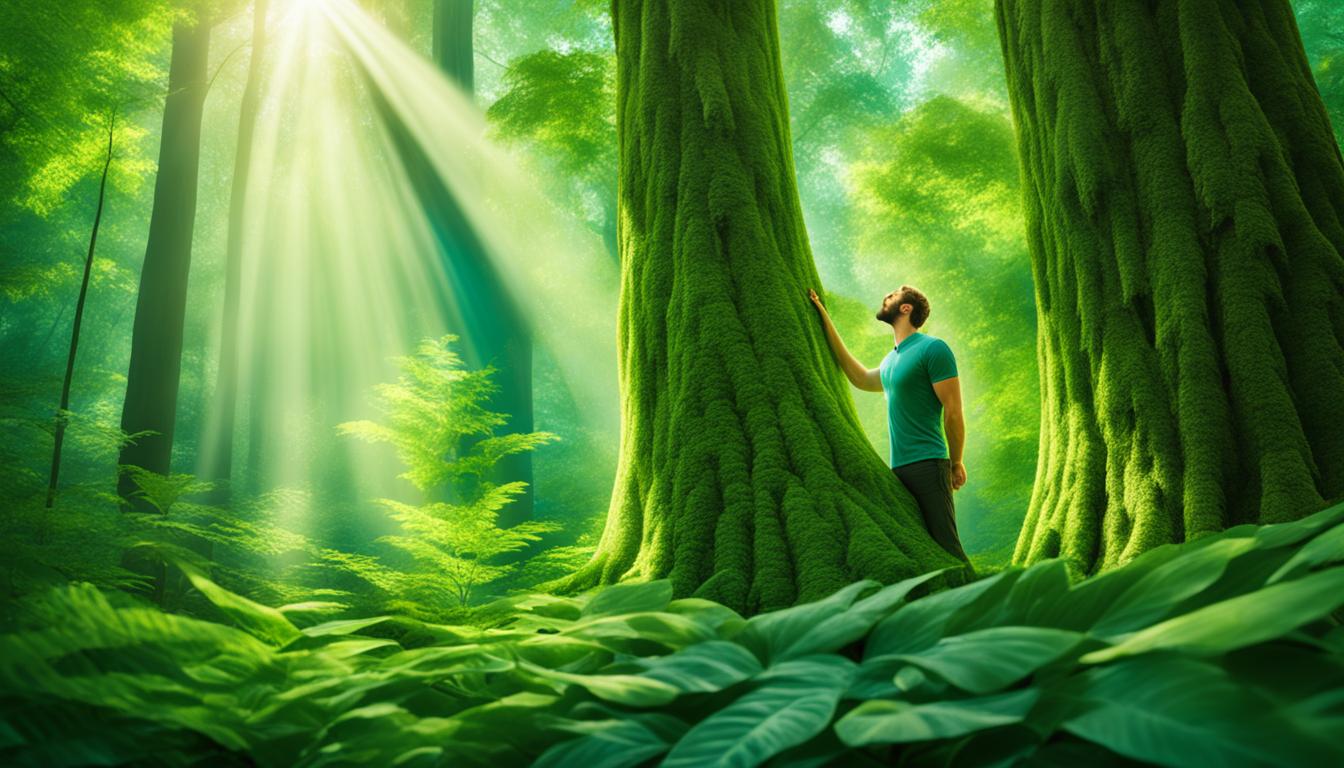
Green, another popular favorite, often points to a person who values growth, balance, and connection with nature. It’s associated with health, renewal, and harmony. If green resonates with you, you may be someone who seeks stability but also appreciates change and renewal. You could be someone who’s grounded yet adaptable, always endeavoring for personal growth and harmony in your surroundings. Conversely, if you prefer yellow, you might be an optimistic, cheerful individual who enjoys spreading positivity and inspiring others. Yellow reflects a bright, energetic personality that loves to learn and explore new ideas. Your favorite color acts as a window into your cheerful disposition and your creative, playful spirit.
Your choice of favorite color is more than just a preference; it’s a form of personal expression that communicates your inner feelings and worldview. Whether you gravitate toward bold hues or softer shades, these preferences reveal the underlying qualities that make you unique. Recognizing how color psychology influences your choices can give you a deeper understanding of yourself and help you use your favorite colors intentionally to express who you are. Ultimately, your favorite color isn’t just a matter of taste—it’s an authentic reflection of your personality, desires, and outlook on life.
Frequently Asked Questions
Can Your Favorite Color Change Over Time?
Yes, your color preference can change over time as your mood impact evolves and your experiences shape your tastes. You might find yourself drawn to different hues depending on your current feelings or life stage. This color preference evolution reflects your shifting personality and emotional state. So, don’t be surprised if your favorite color changes; it’s a natural part of personal growth and how you respond to your environment.
Do Cultural Differences Affect Color Preferences?
Cultural differences considerably influence your color preferences, much like how a map guides travelers through diverse landscapes. Cultural symbolism shapes your perceptions of color, making certain hues more appealing or meaningful in different societies. For example, white signifies purity in some cultures but mourning in others. Your color perception is deeply rooted in these cultural cues, which can lead to diverse preferences based on your unique background and experiences.
Is There Scientific Proof Linking Color Choice to Personality?
Scientific proof linking color choice to personality is limited but suggests some connections through color psychology. You might find that your favorite color reflects personal traits like confidence, calmness, or energy. Experts study how colors influence emotions and behaviors, but individual differences mean your preferences aren’t definitive indicators. So, while color psychology offers insights, your personal traits are shaped by many factors beyond just your favorite hue.
How Do Color Preferences Develop in Childhood?
Like a painter blending shades on a canvas, your childhood color associations form through developmental influences. As you grow, experiences, environment, and social interactions add vibrant layers to your preferences. From favorite toys to room decor, these choices reflect your evolving personality and emotional landscape. You internalize colors’ meanings early on, shaping your unique palette of preferences that carry into adulthood, creating a lifelong connection between your feelings and the hues you cherish.
Can Favorite Colors Influence Career Choices?
Your favorite color can influence your career development through color psychology. For instance, if you favor blue, you’re likely to be calm and trustworthy, making you suited for leadership or counseling roles. Green enthusiasts might excel in finance or environmental work due to their balance and growth mindset. Recognizing these associations helps you understand how your preferences shape your professional path, guiding you toward careers that align with your innate traits.
Conclusion
Your favorite color isn’t just a choice; it’s a mirror reflecting your inner world. It symbolizes your passions, your fears, and your dreams, acting as a silent guide to understanding yourself better. Just like a vibrant hue paints a blank canvas, your color reveals the unique story you carry inside. Embrace it, for it’s the palette that colors your identity, offering insight into who you truly are beneath the surface.