
TL;DR

Turn your wind-down time into listening time
- Thousands of audiobooks, podcasts and originals
- Listen on your phone, tablet or Echo — also offline
- Cancel anytime
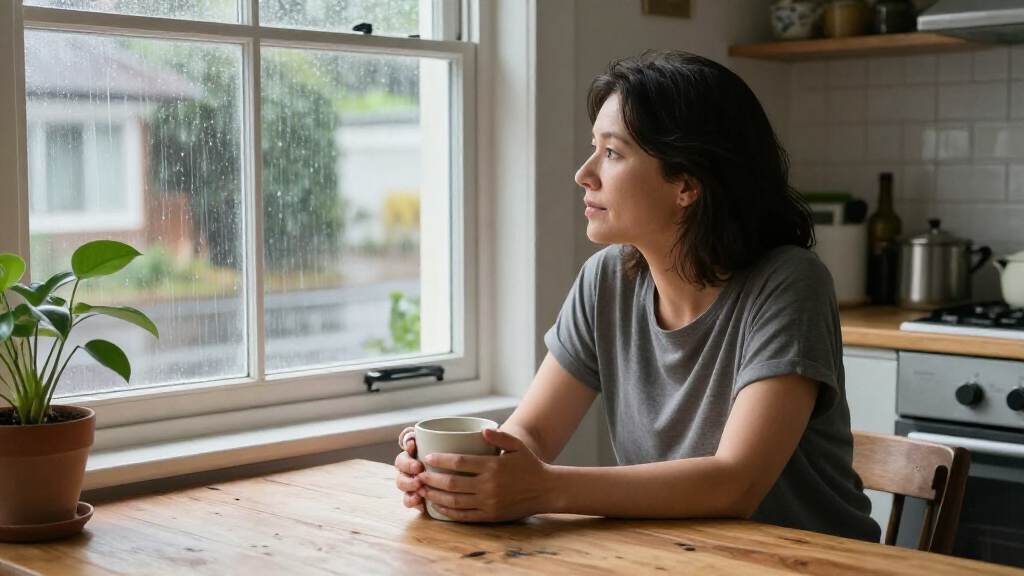
In a Seniors Guide column, senior life coach Marvin Weinbaum argues that people can face serious concerns without allowing them to consume their attention. He recommends practical steps including gratitude, balanced news habits, caring for health, curiosity and stronger relationships.
Senior life coach and columnist Marvin Weinbaum is urging readers to acknowledge the pressures around them without letting worry take over, in a Seniors Guide column built around poet Wendell Berry’s line, “Be joyful, though you have considered all the facts.” Weinbaum’s practical suggestions include noticing everyday sources of gratitude, limiting immersion in news, staying curious and investing in relationships.
Weinbaum begins by naming concerns that he says can leave people feeling overwhelmed, including political division, living costs, homelessness, global conflict and worries about artificial intelligence and social media. He does not argue that these problems should be dismissed. Instead, he says recognizing them is compatible with attending to parts of life that provide connection, meaning or pleasure.
His recommendations span daily habits and personal priorities. He suggests focusing on ordinary comforts and supportive people, keeping up with current events without becoming immersed in them, and caring for physical health through activity, food, medical care and time outdoors. The column also encourages reading, classes, museums and new interests as ways to stay engaged and open to unfamiliar ideas.
Weinbaum places particular emphasis on relationships: calling someone, expressing affection outside special occasions, speaking with neighbors and listening actively. He presents these as ways to build companionship and support, not as a promise that personal habits will resolve wider social problems. The article identifies him as a senior life coach who writes about aging with purpose, dignity, curiosity and resilience.
Making Room for Joy Alongside Worry
The column addresses a familiar tension: people may feel that paying attention to serious events requires staying continually focused on them. Weinbaum’s argument is that acknowledging difficult facts does not require giving them all of one’s attention. That distinction is the piece’s central message, and it frames joy as something that can coexist with concern rather than depend on problems disappearing.
For readers, the advice is deliberately practical and personal. It points toward small actions—calling a friend, taking a walk, learning something or noticing everyday comforts—rather than claiming to offer solutions to political, economic or global challenges. The article’s value is as a set of suggestions for directing attention and maintaining connection, not as evidence that these actions have a guaranteed effect on well-being.
Popular right now

Vitamix Propel Series 750 Professional-Grade Blender, 4 Programs, Black

Dyson Cyclone V10 Origin Cordless Vacuum

Ninja CREAMi 7-in-1 Ice Cream Maker, NC299AMZ
As an affiliate, we earn on qualifying purchases.
The Column’s Case for Perspective
The source is a Seniors Guide lifestyle column, not a reported study or announcement of a new program. Weinbaum writes from the perspective of a senior life coach and uses Berry’s statement as the organizing idea. The article’s list of public worries establishes why readers might feel strained; its response is a series of suggestions for balancing awareness with attention to daily life.
The column groups its guidance around gratitude, staying informed without overconsuming news, physical care, curiosity, acceptance of what cannot be controlled, spiritual or personal reflection, and relationships. It encourages readers to consult trusted news sources and recognize social media biases. These are Weinbaum’s recommendations; the source does not report research testing them or compare their effects.
“Be joyful, though you have considered all the facts.”
— Wendell Berry, as quoted in Weinbaum’s column
What the Advice Does Not Establish
The source does not provide a publication date, data on how readers respond to the suggestions, or evidence comparing one practice with another. It also does not establish that gratitude, exercise, news limits or social connection will have the same effects for everyone. The recommendations are Weinbaum’s guidance, not reported clinical findings or a substitute for individualized health advice.
The column names large social and global problems but does not investigate their causes or offer policy proposals. Its scope is personal reflection and everyday habits; readers seeking details about those broader issues would need separate reporting and sources.
Applying the Suggestions in Daily Life
The column sets out no formal follow-up, event or next milestone. Readers can choose which of Weinbaum’s suggestions fit their circumstances, such as contacting someone they care about, making time for an interest or setting limits around news consumption. The source gives no timetable or measure for evaluating those choices.
Weinbaum invites readers to send him questions by email, according to the article. Any further advice or response would depend on readers contacting him; the source does not announce a planned sequel or additional reporting.
Key Questions
What is the column’s main message?
Weinbaum argues that people can recognize serious problems while also making room for joy, gratitude and connection. He says concern need not occupy all of one’s attention.
Who wrote the advice?
Marvin Weinbaum, identified by Seniors Guide as a senior life coach and columnist, wrote the article.
What practical steps does Weinbaum recommend?
He suggests noticing everyday comforts, keeping informed without becoming immersed in news, caring for physical health, pursuing interests and strengthening relationships through calls and conversation.
Does the article present research proving these practices work?
No. The source presents Weinbaum’s recommendations and does not cite a study testing their effects or guarantee a particular outcome.
Does the column say readers should ignore troubling events?
No. Weinbaum says concerns are real and should not be denied. His point is that awareness of problems can coexist with attention to meaningful parts of daily life.
Source: seniorsguide.com