

Choosing to be childfree can substantially reduce your environmental impact by lowering your carbon footprint and conserving essential resources like water, energy, and materials. With fewer demands for goods, transportation, and household energy, you help ease the strain on ecosystems and slow climate change. Your decision also promotes sustainable habits and supports initiatives for renewable energy and waste reduction. By considering this choice, you’ll discover impactful ways to contribute to a healthier planet and promote lasting change.
Listen free for 30 days with Audible
Thousands of audiobooks and originals — cancel anytime.
As an affiliate, we earn on qualifying purchases.
Key Takeaways
- Being childfree reduces individual carbon footprints by decreasing resource use and emissions associated with raising and supporting children.
- Childfree choices help conserve finite natural resources like water, energy, and raw materials, supporting sustainability efforts.
- Lower population growth from being childfree eases environmental pressures on ecosystems and helps mitigate climate change.
- Choosing to be childfree promotes eco-friendly habits and sustainable consumption patterns in personal and broader societal contexts.
- Overall, being childfree contributes to planetary health by reducing waste, pollution, and greenhouse gas emissions.
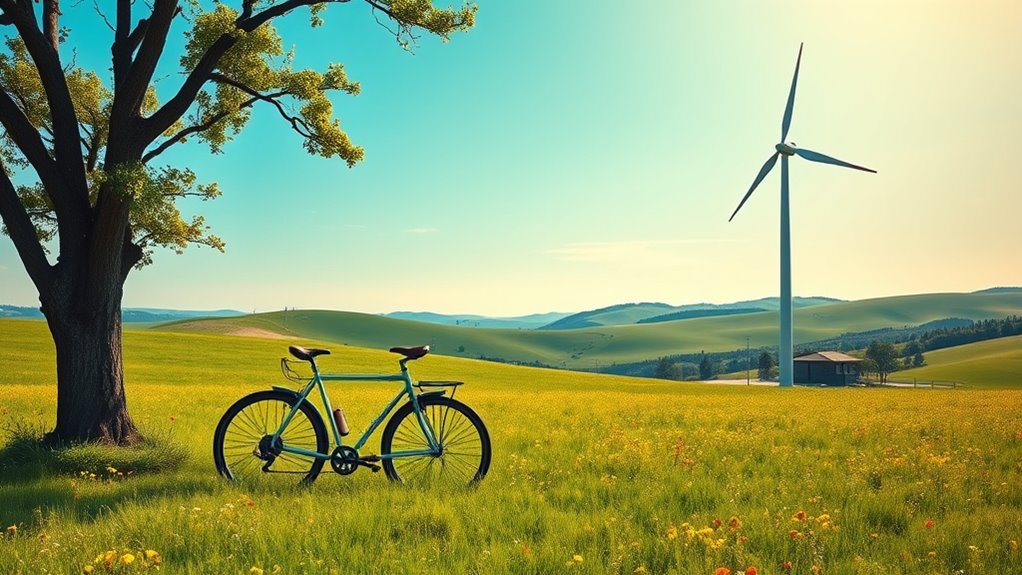
Choosing to be childfree can substantially reduce your environmental impact, as it lowers your carbon footprint and decreases resource consumption. When you decide not to have children, you avoid the additional emissions associated with their upbringing and future activities. Every person contributes to greenhouse gases through transportation, energy use, and consumption habits, but having fewer children means fewer cumulative impacts over time. Your carbon footprint shrinks because there are fewer mouths to feed, fewer homes to heat or cool, and less demand for goods and services that deplete natural resources. This conscious choice directly contributes to the effort to mitigate climate change and preserve the planet’s health.
By not expanding your family, you also notably cut down on resource consumption. Resources such as water, land, minerals, and fossil fuels are finite, and their extraction and use often lead to environmental degradation. Raising children requires a substantial amount of these resources — from diapers and formula to education materials, clothing, and transportation. Without adding to this demand, you help reduce strain on ecosystems and lessen pollution. For instance, less water is used for household needs and hygiene, and fewer products are produced, which in turn reduces waste and manufacturing emissions. Your decision to be childfree aligns with a lifestyle that minimizes unnecessary resource use, promoting sustainability on a personal level.
Furthermore, avoiding the additional environmental load of child-rearing can influence broader societal change. It encourages a shift towards more sustainable consumption patterns, as you may feel more empowered to invest in eco-friendly habits, such as supporting renewable energy, reducing waste, or advocating for policies that protect the environment. Since population growth directly correlates with increased pressure on natural systems, your choice impacts not only your immediate environment but also the global landscape. It can inspire others to reconsider their family planning choices and adopt more sustainable lifestyles.
In essence, choosing to be childfree isn’t just about personal preference; it’s a considerable environmental consideration. It reduces your overall carbon footprint and resource consumption, helping to slow climate change and lessen the depletion of natural resources. With fewer people demanding energy, water, and raw materials, you contribute to a more sustainable future. Your conscious decision demonstrates that individual actions, when multiplied across many, can lead to meaningful change in protecting the planet’s fragile ecosystems for generations to come. Additionally, opting for a childfree lifestyle can encourage greater awareness and adoption of sustainable practices, further amplifying your positive environmental impact.
eco-friendly water-saving showerhead
As an affiliate, we earn on qualifying purchases.
As an affiliate, we earn on qualifying purchases.
Frequently Asked Questions
How Does Being Childfree Impact Global Carbon Emissions?
Being childfree reduces your carbon footprint considerably, as you consume fewer resources and generate less waste. By not having children, you’re helping to lower overall resource consumption, which in turn decreases greenhouse gas emissions. Your choices directly impact global emissions by lessening the demand for energy, water, and food. This simple decision contributes to a healthier planet, showing how individual actions can make a meaningful difference in combating climate change.
Are There Specific Environmental Benefits to Choosing Not to Have Children?
Choosing not to have children can considerably benefit resource conservation and biodiversity preservation. For example, a hypothetical family opts out, reducing their ecological footprint, which lessens strain on natural resources like water and land. This decision helps preserve biodiversity by decreasing habitat destruction and pollution caused by larger populations. Ultimately, being childfree can contribute to a more sustainable planet, fostering healthier ecosystems and conserving resources for future generations.
Can Childfree Individuals Participate in Environmental Activism Effectively?
Yes, as a childfree individual, you can participate in environmental activism effectively. You can adopt eco-friendly lifestyles, reducing your carbon footprint and inspiring others. Engaging in community activities allows you to promote sustainable practices and support local initiatives. Your commitment to environmental causes can make a significant impact, showing that individual actions and community engagement are powerful tools for creating positive change.
How Do Urban Living and Childfree Choices Intersect Environmentally?
They say, “Small sparks can start big fires.” Your childfree urban lifestyle directly impacts urban sustainability, as you can prioritize green infrastructure and eco-friendly choices. By reducing your carbon footprint, supporting city greening projects, and advocating for sustainable development, you help create healthier cities. Your choices matter—being mindful of resource use and urban planning can lead to a more sustainable future, proving that individual actions can indeed make a difference.
What Are the Ethical Considerations of Population Control and Environmental Impact?
You should consider that population ethics involves balancing moral questions about human well-being with resource allocation. Population control raises ethical concerns about individual rights versus environmental sustainability. You might argue that reducing birth rates can lessen strain on resources, but it also prompts debates about coercion and fairness. Ultimately, you need to weigh the moral implications of controlling populations against the goal of creating a sustainable and equitable environment for all.
Conclusion
Choosing to be childfree is like tending a garden where every plant you nurture directly influences the landscape’s future. Your decision becomes a careful act of stewardship, shaping a world where resources flourish and ecosystems thrive. Just as a gardener’s mindful choices cultivate beauty and balance, your path helps preserve the planet’s delicate harmony. Ultimately, your life becomes a declaration to intentionality, echoing the hope that smaller footprints can leave a lasting, positive imprint on our shared home.
Flea & tick season Picks
flea and tick prevention
As an affiliate, we earn on qualifying purchases.