

Selftherapy guided books offer a structured way to explore personal growth, emotional healing, and mental wellness at your own pace. The best options balance practical exercises with accessible language, making therapy skills usable outside clinical settings. The top pick, Healing Your Wounded Inner Child, stands out for its depth in addressing past trauma, while Unfuck Your Brain provides a science-backed approach for managing anxiety and mood swings. However, many books vary in focus, complexity, and application style, which makes choosing the right fit a challenge. Continue reading for a detailed comparison to help you find the best selftherapy guide for your needs.

Turn your wind-down time into listening time
- Thousands of audiobooks, podcasts and originals
- Listen on your phone, tablet or Echo — also offline
- Cancel anytime
Key Takeaways
- Most top-rated selftherapy books blend cognitive-behavioral techniques with practical exercises, but their focus varies from trauma to emotional regulation.
- Books targeting specific conditions like intrusive thoughts or family trauma tend to be more specialized, while general guides offer broader applicability.
- The best options balance accessibility with depth, avoiding overly technical language while providing meaningful tools.
- Price and workbook format often correlate with the level of detail and guided support offered in each book.
- Choosing the right book depends heavily on your familiarity with therapy concepts and your specific mental health goals.
| Healing Your Wounded Inner Child: A CBT Workbook to Overcome Past Trauma, Face Abandonment, and Regain Emotional Stability |  | Best Overall for Deep Emotional Healing | Topic focus: Inner child, trauma, abandonment | Approach: Cognitive Behavioral Therapy | Target audience: Emotional healing seekers with some therapy background | VIEW ON AMAZON | See Our Full Breakdown |
| Getting Past Your Past: Take Control of Your Life with Self-Help Techniques from EMDR Therapy | 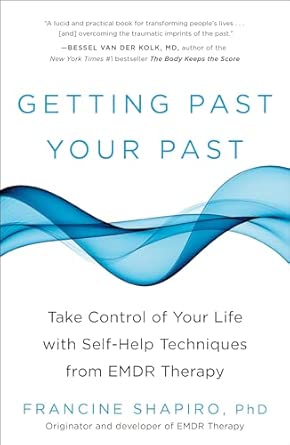 | Best Value for EMDR-Based Self-Help | Approach: EMDR-inspired self-help | Focus: Past trauma and life control | User level: Beginner to intermediate | VIEW ON AMAZON | See Our Full Breakdown |
| Overcoming Unwanted Intrusive Thoughts: A CBT-Based Guide to Getting Over Frightening, Obsessive, or Disturbing Thoughts |  | Best for Managing Intrusive and Obsessive Thoughts | Approach: CBT for intrusive thoughts | Focus: Obsessive and disturbing thoughts | Target audience: Anxiety sufferers and mild obsessive tendencies | VIEW ON AMAZON | See Our Full Breakdown |
| Unfuck Your Brain: Getting Over Anxiety, Depression, Anger, Freak-Outs, and Triggers with Science |  | Best for Broad Emotional Triggers and Mental Resilience | Approach: Science-based emotional management | Focus: Anxiety, depression, anger, triggers | User level: General public seeking quick strategies | VIEW ON AMAZON | See Our Full Breakdown |
| It Didn’t Start with You: How Inherited Family Trauma Shapes Who We Are and How to End the Cycle |  | Best for Understanding and Breaking Family Trauma Cycles | Topic focus: Inherited family trauma | Approach: Research-based, systemic healing | Target audience: Readers committed to long-term emotional and family healing | VIEW ON AMAZON | See Our Full Breakdown |
| The Dialectical Behavior Therapy Skills Workbook: Practical DBT Exercises for Learning Mindfulness, Interpersonal Effectiveness, Emotion Regulation, and Distress Tolerance |  | Best Overall for Structured Skill Development | Type: Workbook | Focus: DBT skills | Pages: 240 | VIEW ON AMAZON | See Our Full Breakdown |
| Self-Guided EMDR Therapy & Workbook: Healing from Anxiety, Anger, Stress, Depression, PTSD & Emotional Trauma |  | Best for Self-Guided EMDR Techniques | Type: Workbook | Focus: EMDR therapy | Pages: 132 | VIEW ON AMAZON | See Our Full Breakdown |
| Self-Therapy: A Step-by-Step Guide to Creating Wholeness Using IFS, 3rd Edition |  | Best for Deep Personal Growth with IFS | Type: Book | Focus: IFS self-therapy | Pages: 350 | VIEW ON AMAZON | See Our Full Breakdown |
| selftherapy guided book | Focus | Approach |
|---|---|---|
| Healing Your Wounded Inner Chi | — | Cognitive Behavioral Therapy |
| Getting Past Your Past: Take C | Past trauma and life control | EMDR-inspired self-help |
| Overcoming Unwanted Intrusive | Obsessive and disturbing thoughts | CBT for intrusive thoughts |
| Unfuck Your Brain: Getting Ove | Anxiety, depression, anger, triggers | Science-based emotional management |
| It Didn’t Start with You: How | — | Research-based, systemic healing |
| The Dialectical Behavior Thera | DBT skills | — |
| Self-Guided EMDR Therapy & Wor | EMDR therapy | — |
| Self-Therapy: A Step-by-Step G | IFS self-therapy | — |
More Details on Our Top Picks
Healing Your Wounded Inner Child: A CBT Workbook to Overcome Past Trauma, Face Abandonment, and Regain Emotional Stability
This workbook stands out for its targeted use of Cognitive Behavioral Therapy techniques to address core emotional wounds rooted in trauma and abandonment. Compared with Unfuck Your Brain, which offers broader science-based strategies, this guide dives specifically into healing the inner child, making it more suitable for those seeking profound emotional work. Its practical exercises foster emotional stability and personal growth, but it lacks detailed content previews and may be less accessible for newcomers unfamiliar with CBT concepts. Ideal for individuals ready to confront childhood wounds, it offers structured steps but might require some prior understanding of therapy principles.
Pros:- Practical CBT exercises specifically designed for emotional healing
- Focuses directly on overcoming trauma and abandonment issues
- Supports long-term emotional stability and growth
Cons:- Lacks detailed content previews or reviews, making it harder to assess fit beforehand
- May be challenging for readers unfamiliar with CBT concepts
Best for: People with unresolved childhood trauma who want a structured, self-guided CBT approach
Not ideal for: Beginners or those looking for quick fixes, since it requires emotional depth and familiarity with CBT
- Topic focus:Inner child, trauma, abandonment
- Approach:Cognitive Behavioral Therapy
- Target audience:Emotional healing seekers with some therapy background
Our verdict“This workbook is best suited for individuals committed to deep emotional work and familiar with CBT techniques.”
Getting Past Your Past: Take Control of Your Life with Self-Help Techniques from EMDR Therapy
This book offers practical self-help techniques rooted in EMDR therapy, making it a solid choice for those seeking to process past traumas without professional sessions. Compared to Overcoming Unwanted Intrusive Thoughts, which emphasizes managing mental patterns, this title emphasizes trauma processing and life control, appealing to readers interested in a broader therapeutic framework. Its strategies can be empowering, but the lack of detailed technical explanations may leave some readers wanting more depth, especially if they’re already familiar with EMDR. Best for individuals ready to take active steps in trauma recovery, it provides accessible strategies but assumes some familiarity with trauma concepts.
Pros:- Provides practical, EMDR-inspired self-help techniques
- Helps overcome past traumas and regain control
- Empowers users to take active steps in emotional healing
Cons:- Limited technical detail may frustrate advanced users
- Assumes some prior understanding of EMDR concepts
Best for: Adults interested in self-guided trauma processing with basic EMDR knowledge
Not ideal for: Readers new to trauma therapy or those looking for detailed professional guidance
- Approach:EMDR-inspired self-help
- Focus:Past trauma and life control
- User level:Beginner to intermediate
Our verdict“This book is ideal for motivated individuals seeking accessible trauma recovery strategies based on EMDR.”
Overcoming Unwanted Intrusive Thoughts: A CBT-Based Guide to Getting Over Frightening, Obsessive, or Disturbing Thoughts
This guide excels at providing practical CBT techniques tailored for managing intrusive, obsessive, and disturbing thoughts, making it particularly useful for those suffering from anxiety or OCD-like patterns. Unlike Unfuck Your Brain, which addresses broad emotional triggers, this book zeroes in on mental patterns that cause distress and offers concrete strategies to reduce their power. While it’s accessible and straightforward, it’s less suitable for individuals with severe mental health issues needing professional intervention. Perfect for those seeking immediate tools to regain mental control, but less appropriate for clinical cases requiring ongoing support.
Pros:- Offers targeted CBT techniques for intrusive thoughts
- Accessible, easy-to-understand guidance
- Helps reduce anxiety caused by unwanted mental patterns
Cons:- Limited applicability for severe mental health conditions
- May require supplementary professional support for complex cases
Best for: Individuals experiencing persistent intrusive thoughts or mild obsessive tendencies
Not ideal for: People with severe mental health conditions or crisis-level symptoms needing professional treatment
- Approach:CBT for intrusive thoughts
- Focus:Obsessive and disturbing thoughts
- Target audience:Anxiety sufferers and mild obsessive tendencies
Our verdict“This book is well-suited for those looking to manage intrusive thoughts with practical CBT strategies, but not for severe mental health issues.”
Unfuck Your Brain: Getting Over Anxiety, Depression, Anger, Freak-Outs, and Triggers with Science
This book provides scientifically-backed strategies for tackling a wide range of emotional challenges, including anxiety, depression, and anger. Compared with Getting Past Your Past, which focuses on trauma, Unfuck Your Brain offers more generalized techniques applicable to everyday emotional triggers. Its practical advice is easy to follow, but the lack of specific content details or reviews makes it harder to evaluate its depth. It’s best suited for readers seeking straightforward, science-based mental health tips for everyday resilience. Ideal for those wanting quick, actionable strategies for common emotional issues, but less suited for complex trauma or deep emotional wounds.
Pros:- Science-based techniques for emotional resilience
- Practical, easy-to-understand advice
- Addresses a broad spectrum of triggers like anxiety and anger
Cons:- Lacks detailed content or user reviews for deeper insight
- May be too general for severe mental health issues
Best for: People seeking quick, science-backed strategies to manage everyday emotional triggers
Not ideal for: Readers looking for in-depth trauma work or personalized therapy guidance
- Approach:Science-based emotional management
- Focus:Anxiety, depression, anger, triggers
- User level:General public seeking quick strategies
Our verdict“This book suits those wanting straightforward, science-backed tips for everyday emotional management, not in-depth trauma recovery.”
It Didn’t Start with You: How Inherited Family Trauma Shapes Who We Are and How to End the Cycle
This book offers an insightful exploration into how inherited family trauma influences individual behavior and emotional health. Compared with Healing Your Wounded Inner Child, which emphasizes personal emotional work, this title provides a broader contextual understanding of family wounds, making it especially valuable for readers interested in systemic healing. Its well-researched approach and practical strategies for breaking cycles make it a strong choice, though it can be emotionally intense and requires time for reflection. Perfect for those ready to explore generational patterns and seek long-term healing, but not ideal for readers seeking quick fixes or immediate emotional relief.
Pros:- Provides in-depth understanding of inherited trauma
- Offers practical, research-based strategies to break cycles
- Well-suited for reflective, long-term healing
Cons:- May be emotionally intense and challenging to read
- Requires time and dedication to implement strategies effectively
Best for: Individuals interested in understanding family trauma and committed to long-term systemic healing
Not ideal for: Readers seeking immediate emotional relief or quick self-help solutions
- Topic focus:Inherited family trauma
- Approach:Research-based, systemic healing
- Target audience:Readers committed to long-term emotional and family healing
Our verdict“This book is best for those prepared to explore and heal deep family wounds through reflective, long-term work.”
The Dialectical Behavior Therapy Skills Workbook: Practical DBT Exercises for Learning Mindfulness, Interpersonal Effectiveness, Emotion Regulation, and Distress Tolerance
This workbook stands out for its comprehensive approach to teaching DBT skills through practical exercises, making it ideal for those who want a clear, step-by-step method to improve emotional regulation and mindfulness. Unlike more conceptual guides, it offers hands-on activities that foster real change, though the density of content may overwhelm beginners. Compared to simpler self-help books, this option provides a structured pathway that supports consistent practice, but it requires a commitment to work through detailed exercises. Its focus on core DBT areas makes it especially suitable for individuals seeking targeted emotional skills.
Pros:- Comprehensive exercises covering essential DBT skills
- Practical, easy-to-follow activities
- Supports emotional regulation and mindfulness development
Cons:- Content can be complex for newcomers to therapy
- Lacks guidance on how to integrate skills into daily life
Best for: Readers interested in developing specific emotional regulation and mindfulness skills through structured exercises, especially those open to practicing regularly
Not ideal for: Beginners with little background in therapy or those seeking quick, light reading without detailed exercises
- Type:Workbook
- Focus:DBT skills
- Pages:240
- Author:Sheri van Dijk
Our verdict“This workbook is best suited for committed learners who want a hands-on, structured approach to mastering DBT skills.”
Self-Guided EMDR Therapy & Workbook: Healing from Anxiety, Anger, Stress, Depression, PTSD & Emotional Trauma
This workbook makes EMDR therapy more accessible by offering practical exercises aimed at healing emotional trauma and related issues, making it a good choice for those who prefer to work independently. Unlike the more comprehensive IFS-based guide, it focuses specifically on EMDR strategies that can be applied without a therapist, though some prior knowledge of EMDR concepts may enhance results. While it covers a broad range of issues like anxiety and PTSD, the lack of detailed content descriptions might leave some users uncertain about its scope. Overall, this pick is suited for motivated individuals who want to explore EMDR techniques on their own.
Pros:- Provides practical self-guided EMDR techniques
- Addresses a range of emotional issues including trauma and depression
- Empowers users to facilitate their own emotional healing
Cons:- No detailed contents or step-by-step breakdowns provided
- May require prior EMDR knowledge for maximum effectiveness
Best for: Individuals with some familiarity with EMDR or those seeking a targeted approach to trauma and stress management without therapist guidance
Not ideal for: Complete beginners to trauma therapy or those needing detailed instructions with extensive background information
- Type:Workbook
- Focus:EMDR therapy
- Pages:132
- Author:Sharon Hughes
Our verdict“This workbook suits self-motivated individuals ready to apply EMDR strategies independently to address trauma and emotional distress.”
Self-Therapy: A Step-by-Step Guide to Creating Wholeness Using IFS, 3rd Edition
This guide provides a detailed roadmap for self-therapy grounded in Internal Family Systems (IFS), making it ideal for readers interested in exploring their internal parts for emotional healing. Unlike the more technique-focused books like the EMDR workbook, it emphasizes understanding and integrating internal parts, which can lead to profound personal insights. However, the dense content and need for some familiarity with psychotherapy concepts can be challenging for casual readers seeking quick solutions. It’s best suited for those committed to a longer, introspective journey of self-discovery and emotional wholeness.
Pros:- Practical guidance on self-therapy with IFS
- Accessible for those interested in personal development
- Updated with the latest psychotherapy techniques
Cons:- May be too dense for casual or new readers
- Requires prior knowledge of psychotherapy concepts
Best for: Readers with some background in therapy or those dedicated to deep self-exploration using IFS principles
Not ideal for: Beginners or casual readers who prefer lighter, less dense material without prior therapy knowledge
- Type:Book
- Focus:IFS self-therapy
- Pages:350
- Edition:3rd
Our verdict“This book is ideal for those committed to a detailed, introspective self-therapy process using IFS, despite its density.”

How We Picked
These books were selected based on their clarity, practical utility, and reputation within mental health communities. We evaluated each title for its ability to guide readers through structured exercises, the clarity of instructions, and the relevance of the content to common emotional challenges. Books with a mix of scientific backing and user-friendly language scored higher, as they tend to be more effective for self-guided therapy. Our ranking favors those that strike a balance between depth and accessibility, ensuring they serve both beginners and more experienced individuals seeking additional tools.| selftherapy guided book | Approach | Focus |
|---|---|---|
| Healing Your Wounded Inner Chi | Cognitive Behavioral Therapy | — |
| Getting Past Your Past: Take C | EMDR-inspired self-help | Past trauma and life control |
| Overcoming Unwanted Intrusive | CBT for intrusive thoughts | Obsessive and disturbing thoughts |
| Unfuck Your Brain: Getting Ove | Science-based emotional management | Anxiety, depression, anger, triggers |
| It Didn’t Start with You: How | Research-based, systemic healing | — |
| The Dialectical Behavior Thera | — | DBT skills |
| Self-Guided EMDR Therapy & Wor | — | EMDR therapy |
| Self-Therapy: A Step-by-Step G | — | IFS self-therapy |
Factors to Consider When Choosing Selftherapy Guided Books
Choosing the right selftherapy guided book involves understanding your personal needs, familiarity with mental health concepts, and preferred learning style. Some books are more suited for those new to therapy, while others require a basic understanding of psychological techniques. Considering your specific challenges—such as trauma, anxiety, or mood regulation—can help narrow options. Additionally, the format and level of guidance matter: do you want a comprehensive workbook or a more conceptual guide? Keep in mind that investing in a well-structured, reputable book can make a significant difference in your progress.Focus of Content
Look for a book that addresses your primary concerns—trauma, anxiety, intrusive thoughts, or emotional regulation. Books with a narrow focus might offer more targeted exercises, while broader guides provide general tools applicable to multiple issues. Matching the focus with your goals ensures you stay motivated and find relevant strategies.Level of Guidance
Some books serve as step-by-step workbooks, providing exercises and prompts for daily practice, while others are more conceptual with less direct instruction. Consider whether you prefer a guided, interactive experience or a more reflective read. Well-structured workbooks tend to be more effective if you want tangible progress.Complexity and Readability
Choose a book that matches your familiarity with therapy concepts. Beginners should look for accessible language and clear instructions, whereas more advanced readers might prefer in-depth discussions or specialized techniques. Avoid overly technical books if you’re just starting out, but don’t shy away from challenging content if you have prior experience.Format and Length
Decide if you want a compact guide you can complete in a few weeks or a comprehensive manual that requires ongoing engagement. Workbooks with structured exercises can be more demanding but also more rewarding for sustained progress. The right format depends on your available time and commitment level.Price and Reputability
Invest in books from reputable authors with backgrounds in therapy or psychology. While pricier options often provide more detailed guidance, there are also affordable, well-reviewed titles that deliver excellent value. Reading reviews and checking credentials can help you avoid less effective resources.Frequently Asked Questions
Can I use these selftherapy guided books without any prior therapy experience?
Many of these books are designed for beginners and do not require prior therapy knowledge. They often include foundational concepts and step-by-step exercises to help you develop skills at your own pace. However, some technical language or complex techniques may be easier to grasp if you have a basic understanding of therapy principles. If you’re new to mental health topics, look for titles explicitly aimed at beginners to maximize your comfort and effectiveness.
How long does it typically take to see results from using these guided books?
Results vary depending on your starting point, consistency, and the specific issues you aim to address. Some readers notice improvements within a few weeks of regular practice, especially with targeted workbooks. More complex trauma or deep-seated emotional patterns may require longer, ongoing engagement. The key is to set realistic expectations and commit to regular exercises, rather than expecting quick fixes.
Are these books suitable for ongoing therapy or just for self-help?
While these guided books are useful for developing skills and gaining insight, they are not substitutes for professional therapy in severe cases. They work well as supplementary tools or for exploring topics independently. If you have complex mental health conditions, consulting a licensed therapist is advisable, and these books can serve as preparation or ongoing support between sessions.
Should I buy a workbook or a more conceptual guide?
Choosing between a workbook and a conceptual guide depends on your learning style and goals. Workbooks with exercises are more interactive and can lead to tangible progress, making them ideal if you prefer active engagement. Conceptual guides provide background and understanding, which can be beneficial if you’re looking to deepen your knowledge. Many find that combining both types offers the best overall experience.
Is it worth paying more for a guided selftherapy book?
Higher-priced books often include detailed exercises, structured plans, and reputable authors, which can enhance your experience and results. Cheaper options may lack depth or clarity but can still be valuable for an introduction or supplementary reading. Consider your budget, your familiarity with therapy concepts, and your commitment level when deciding. Investing in a well-reviewed, comprehensive guide usually pays off in terms of effectiveness and long-term benefits.
Conclusion
For those new to selftherapy, a straightforward, accessible guide like Getting Past Your Past provides a gentle introduction to core techniques. If you seek a comprehensive, deep dive into trauma or emotional regulation, Healing Your Wounded Inner Child or The Dialectical Behavior Therapy Skills Workbook stand out. Budget-conscious readers can opt for value-packed options like Unfuck Your Brain, while those preferring a premium, evidence-based approach might consider Self-Therapy: A Step-by-Step Guide to Creating Wholeness. Your choice should align with your experience, goals, and the specific issues you want to address—these guides are tools to support your journey toward emotional well-being.
Halloween Picks
halloween
As an affiliate, we earn on qualifying purchases.