
TL;DR

Turn your wind-down time into listening time
- Thousands of audiobooks, podcasts and originals
- Listen on your phone, tablet or Echo — also offline
- Cancel anytime
Stress relief adult coloring books offer a structured, screen-free activity that may help some people pause and focus, but research specific to coloring books is limited and results vary. Choose a design, paper, and coloring tools that feel comfortable, then treat the activity as leisure rather than a replacement for professional care.
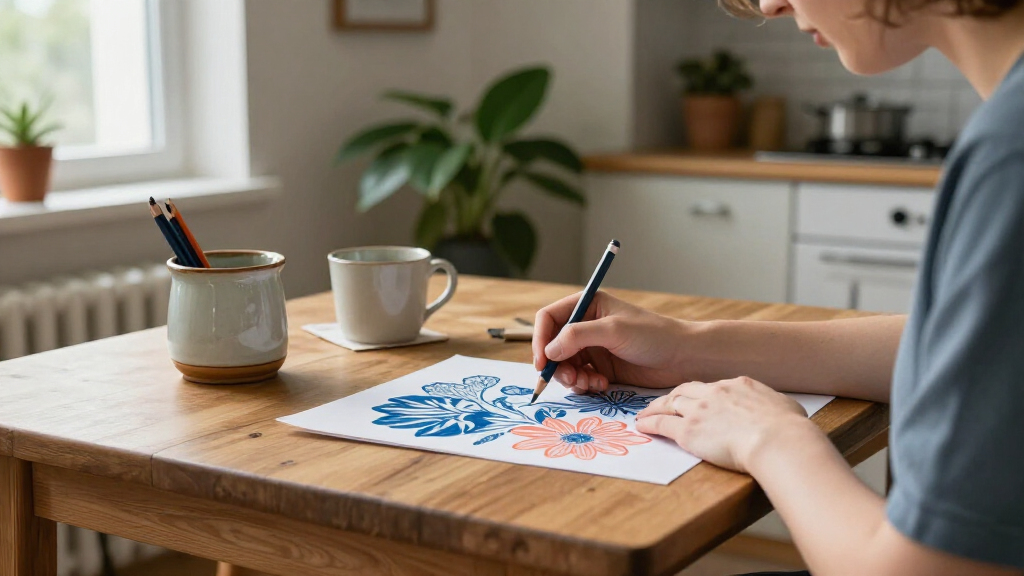
A few colored pencils, a quiet table, and one unfinished flower can give your hands something steady to do while the day loosens its grip. Adult coloring books offer a simple, screen-free activity: you choose colors, fill shapes, and decide when to stop. The page doesn’t ask you to be good at art.
People often reach for these books to pause and unwind, but a calming effect isn’t guaranteed. Research on creative activities suggests they may support relaxation and well-being for some people; evidence focused specifically on adult coloring books remains limited. In this guide, you’ll learn what they are, how to choose one you’ll actually enjoy, and where the claims about stress relief need a lighter touch.
Start with a page whose detail level suits your mood; “adult” doesn’t have to mean intricate.
Try colored pencils first, and test markers on spare paper because ordinary book pages may bleed through.
There is no established ideal coloring session length; start briefly and stop if your hand or eyes feel tired.
Printed books offer a tactile, screen-free break; digital coloring apps offer zoom, undo, and easy edits.
Treat coloring as leisure that may help you unwind, not as a treatment for a health condition.
What Adult Coloring Books Offer When You Need a Quiet Break
Stress relief adult coloring books are books of illustrations designed for older teens and adults, often with more detail than children’s coloring pages. You’ll find mandalas, leaves, animals, geometric patterns, landscapes, and affirmations, in printed books, tablet apps, and pages you can print at home. “Adult” describes the intended audience and design range; it doesn’t mean every page has to be hard.
That range matters because the page sets the pace of the activity. Broad petals let you make visible progress quickly, which may suit a short break or tired hands. A dense mandala takes longer and can hold your attention through repeated choices, but those same tiny spaces may become frustrating if you’re in a hurry or your eyes feel strained. The choice is less about skill level than the kind of effort you want from a break.
The format became a major publishing trend in the mid-2010s and remains a familiar leisure activity. Its appeal is practical: a book can sit beside the sofa, needs no charging, and gives you a clear task without demanding a finished masterpiece. That clear task can make it easier to begin than an open-ended creative project, though it also means coloring may not suit someone who prefers more freedom. Coloring books are leisure tools, not clinical devices, whatever a cover promises.
Popular right now

Shark HydroVac Reveal Cordless Wet-Dry Vacuum and Mop, Lilac, WD321

Ninja Luxe Café Mini Espresso and Drip Coffee Machine, ES301

Vitamix Propel Series 510 Professional-Grade Blender, Black
As an affiliate, we earn on qualifying purchases.
Why Coloring May Help You Feel More Settled
Stress relief adult coloring books may help some people relax by giving attention a small, repeatable job. You select a pencil, follow a line, and fill a shape. That simple sequence can offer a pause from scrolling or replaying the day, much like stirring a cup of tea gives your hands a gentle rhythm while the kettle cools. The activity gives your attention somewhere specific to go; it doesn’t guarantee that difficult thoughts or feelings will disappear.
Research on art-making and stress has found that creative activities can support relaxation and well-being for some participants. But research specific to adult coloring books is limited, and people respond differently. That distinction matters: findings about creative activities in general can’t establish that coloring books work for everyone or produce a particular health outcome. A page of tiny scales might soothe someone who loves detail and irritate someone else who wants wide spaces and quick progress.
Try a short session when you want a quiet break: sit at the kitchen table, put your phone aside, and color one section of a page. Notice whether the pencil’s soft rasp and the changing patch of color help you stay with the task. There is no established ideal duration, and you don’t need to finish the page to count the time as worthwhile. If the activity starts to feel like another task to complete, stopping or switching pages may make the break more useful.
Coloring may give you a calming moment; it cannot promise relief or replace care.
Mindfulness can be part of the experience when you pay attention to the strokes, colors, and page as you work. Coloring is not the same as every form of meditation, and you don’t need to label your activity to enjoy it. The practical point is simply to notice whether focusing on the page feels welcome to you.
Choose a Page That Fits Your Mood, Hands, and Eyes
Choose a coloring book by matching its detail, paper, subject, and layout to your preferences and abilities. A book that feels inviting is more likely to become a pleasant break than one that makes you battle cramped shapes or pages that won’t stay open. These details affect whether you can start comfortably and keep your attention on the activity instead of managing the book. If you can preview a sample, look at the smallest spaces and the contrast of the outlines before buying.
For example, if you have ten quiet minutes after work, a page with large leaves may feel satisfying; a packed pattern could make those minutes feel like a chore. Someone who likes careful, precise work may enjoy that same intricate design. Designed for older readers doesn’t have to mean tiny or complicated: look for large-print pages, bold outlines, and roomy shapes if small details are hard to see or color. A simple page may be the more engaging choice when comfort and ease matter more than having many details to fill.
- Complexity: Pick broad spaces for an easygoing session, or fine detail if you enjoy slow, focused work. More detail can give you a longer task, but it can also demand steadier hands and closer attention.
- Subject: Choose nature, pets, cozy scenes, humor, or patterns that feel pleasant rather than obligatory. A subject you enjoy gives you a reason to return; a popular theme won’t help if you don’t like looking at it.
- Access: Consider large pages, high-contrast lines, and images with illustrations that remain easy to distinguish. Clear shapes can reduce the effort spent finding the boundary of each area.
- Handling: Look for a binding that opens flat if holding a book open feels tiring. A comfortable layout leaves more attention for coloring, though a larger book may be less convenient to carry.
Limited dexterity can change what feels comfortable, so try a larger-grip pencil or a page with generous shapes. A larger grip may feel easier to hold, while broad spaces leave more room for movement; both can make the activity less demanding. There’s no single “right” skill level. Your best first page is the one that lets you start without a long warm-up.
Match Your Supplies to the Paper Before You Start
Colored pencils make a reliable first choice, while markers and gel pens need a little more care. The right tool depends on your page and the kind of coloring you enjoy. Pencil marks are easier to control and layer, while pens and markers can produce brighter, more solid color but may smudge or pass through the page. Before you cover a favorite illustration in ink, test a spare page or a small corner.
| Tool | What it feels like | What to check |
|---|---|---|
| Colored pencils | Easy to control; good for shading and small spaces | Usually a versatile place to begin |
| Gel pens | Bright, smooth lines and vivid small details | Give the ink time to dry so it doesn’t smudge |
| Markers | Bold, even patches of color | Ordinary paper may let ink bleed through |
Picture a Saturday morning spent filling a blue jay’s feathers. Pencils let you layer pale blue over darker strokes; a marker gives a stronger block of color but may show on the back of a thin page. Thicker paper and single-sided printing can make markers more convenient, and some books recommend placing a protective sheet behind the page. Testing matters because paper varies: a quick check can help you avoid spoiling the reverse side or a page you hoped to keep clean.
Binding and page size count too. A larger sheet gives your hand more room, while a lay-flat book can make it easier to reach the middle of an image. If you’re coloring at a café, a thin pencil set and a paperback may be simpler to carry than a full marker kit. These are small tradeoffs between comfort, portability, and the color effect you want. Start with supplies you already own, then add more if the activity earns a place in your routine.
Use a Short Coloring Routine Without Turning It Into Homework
A short, flexible routine can make it easier to try coloring as a break. Pick a comfortable page, gather a few tools, and give yourself permission to stop whenever the activity stops feeling pleasant. Since there’s no established ideal session length, begin with a small window rather than setting a strict target. Keeping the routine simple lowers the effort needed to start, while leaving it flexible helps prevent the break from becoming another obligation.
Imagine you’ve closed your laptop after a busy afternoon, but your thoughts are still racing through tomorrow’s errands. You could clear a corner of the table and try this simple sequence:
- Pick one page. Choose a shape that looks approachable right now, such as a broad flower or a small animal.
- Set out two or three colors. A limited palette makes it easy to begin; you can add more later.
- Work at your own pace. Fill one petal, one shape, or one small area. Leave the lines, switch colors, or stop whenever you like.
- Check how it feels. If the detail strains your eyes or your hand starts to tire, choose a simpler page or take a break.
This routine is a way to test your own response, not a treatment plan or a performance goal. You might find the repeating strokes calming, or you might prefer a walk, music, or another kind of rest. Let the activity serve your break; you don’t need to turn the page into a finished product to justify the time. If coloring leaves you more tense than when you began, that’s useful information about what kind of break works better for you.
Pick Print or Digital Based on the Break You Want
Printed books suit a tactile, screen-free break, while digital coloring makes revisions and zooming easy. Neither format works best for everyone. Your choice depends on whether you want the soft drag of pencil on paper or the convenience of undo and a screen you already carry. The format can change how the break feels: paper gives you a physical object to work with, while an app makes it easier to experiment and adjust.
On a quiet evening at home, a printed book can feel satisfying: paper under your wrist, pencils lined up, no app notifications. It also needs no battery. If you use markers, though, paper quality matters, pages may show through, and a book won’t let you erase a color choice as easily as an app. The tradeoff is that the tactile experience comes with limits on editing and may require space for the book and supplies.
Digital pages and apps offer features such as zoom, undo, and simple color changes. Those options can help if you want to enlarge small areas or experiment without committing. But a tablet adds another screen to your break, and the feel of coloring with a finger or stylus differs from pencil on paper. Zoom can make details easier to see, while the screen itself may work against someone seeking time away from devices.
Publishers now offer varied themes, skill levels, and formats, including cozy scenes, travel, pets, fantasy, and pop culture. Product features and new releases change over time, so check current listings if you’re shopping for a specific app or book. Choose the format that removes friction for you: a pocket-sized paperback for the train, or a tablet page if adjusting colors keeps the experience light.
Keep Coloring in Its Place if You’re Facing a Health Concern
Adult coloring can be a comforting leisure activity, but it is not a proven treatment for anxiety, depression, trauma, or other health conditions. A page of bright orange flowers may offer a peaceful moment, yet that moment doesn’t establish that coloring treats an illness. Responses vary, and some intricate designs can feel frustrating instead of relaxing. Keeping that distinction clear helps set a reasonable expectation: an enjoyable activity may be part of an ordinary routine, but it cannot show whether a health concern needs care.
If you’re having a tough week, you might use a simple page during a quiet evening because it feels easier than scrolling. That’s a personal coping choice, not a diagnosis or a substitute for professional care. If you’re concerned about symptoms or deciding how to manage a health condition, speak with a qualified health professional who can discuss your needs.
Pay attention to your own experience. If holding a pencil makes your hand ache, try a larger grip, shorter sessions, or another activity. If a page’s tiny shapes leave you tense, swap it for larger outlines. The useful test is whether the activity feels comfortable and welcome, not whether you can push through it or match someone else’s result. Small adjustments can make leisure easier; persistent health concerns call for guidance suited to your situation.
Marketing language about mindfulness or relaxation describes how a publisher positions a product; it isn’t evidence of a clinical effect. Keep the expectation modest: coloring may help you pause, and that can be enough for an ordinary evening.
Frequently Asked Questions
Do adult coloring books really relieve stress?
They may help some people pause, focus on a simple task, and unwind, but individual responses vary. Research on creative activities supports possible benefits for some participants, while evidence focused specifically on adult coloring books is limited. They are a leisure activity, not a proven treatment for a health condition.
How long should I color to feel calmer?
There is no established ideal duration. Try a brief session and see how it feels; you can stop after one shape or continue if you’re enjoying it. Switch activities or take a break if your hand or eyes feel tired.
Are adult coloring books suitable for beginners?
Yes. Look for larger spaces and simpler illustrations if you want an easy start; “adult” doesn’t automatically mean difficult. A broad flower or bold animal outline can be a friendly first page.
What supplies work best for adult coloring books?
Colored pencils are a dependable starting point because they’re versatile and easy to control. Gel pens can add vivid detail but may smudge, and markers may bleed through ordinary paper. Check the book’s paper and test a spare page before using markers.
Can coloring help with anxiety or depression?
Coloring may feel comforting for some people, but it is not a proven treatment or a substitute for professional care. If you have concerns about anxiety, depression, or another health condition, talk with a qualified health professional about your situation.
Is a coloring app better than a printed book?
Neither is best for everyone. Printed books give you paper and pencils without a screen, while apps offer zoom, undo, and easy color changes. Choose the format that makes the activity comfortable and enjoyable for you.
Conclusion
Choose a page you enjoy, use tools that feel comfortable, and let the session be as short as you like. Adult coloring books can offer a small, screen-free pause, though the effect varies and the research specific to coloring remains limited. If a busy day has left your mind buzzing, try filling one broad leaf or one patch of sky. When you set the pencil down, the page can stay unfinished; the quiet moment was the point.