TL;DR

Turn your wind-down time into listening time
- Thousands of audiobooks, podcasts and originals
- Listen on your phone, tablet or Echo — also offline
- Cancel anytime
Being Patient founder Deborah Kan says readers who responded to a request for feedback want help with care costs, planning after diagnosis, personal risk and clinical-trial information. Many also asked to connect with people facing similar experiences. Kan says the publication plans to expand its resources in 2027, but has not provided further details.
Being Patient founder Deborah Kan says readers who responded to a request for feedback want clearer help with the practical realities of dementia, including care costs, planning after diagnosis and finding others in similar situations. In a report published by the Alzheimer’s and brain-health news platform, Kan said the responses will help shape its coverage and described expanded resources planned for 2027.
Kan wrote that she asked readers to reply with the three things they most wanted help with and received emails by the following morning. She said she was still responding to messages when she wrote the report. The article does not give the number of people who replied or describe a formal survey, so the requests are a snapshot of reader feedback rather than representative research.
Many respondents, Kan said, asked about the period after a diagnosis when families may be unsure how to plan. Their questions included how to pay for care with limited savings or without long-term care insurance, whether Medicare or the Department of Veterans Affairs might help pay for care at home, when to consider leaving a long-time home, and how to prepare for later stages. Some readers, she added, had been caregivers before receiving a diagnosis themselves and wanted that experience covered.
Other readers asked about personal risk, including when to seek testing after a parent’s dementia diagnosis or learning they carry the ApoE4 gene. They also sought guidance on difficult everyday caregiving moments and on understanding which clinical trials are recruiting. Across these topics, Kan said, a recurring request was for ways to meet and support one another—from people in early stages of dementia to caregivers and people concerned about genetic risk.
Readers Ask for Practical and Peer Support
The responses point to needs that sit alongside medical research: families must make decisions about care, housing and money, often while adjusting to a diagnosis and searching for trustworthy information. Readers’ requests suggest that reporting on treatment and science alone may not answer the questions people face in daily life.
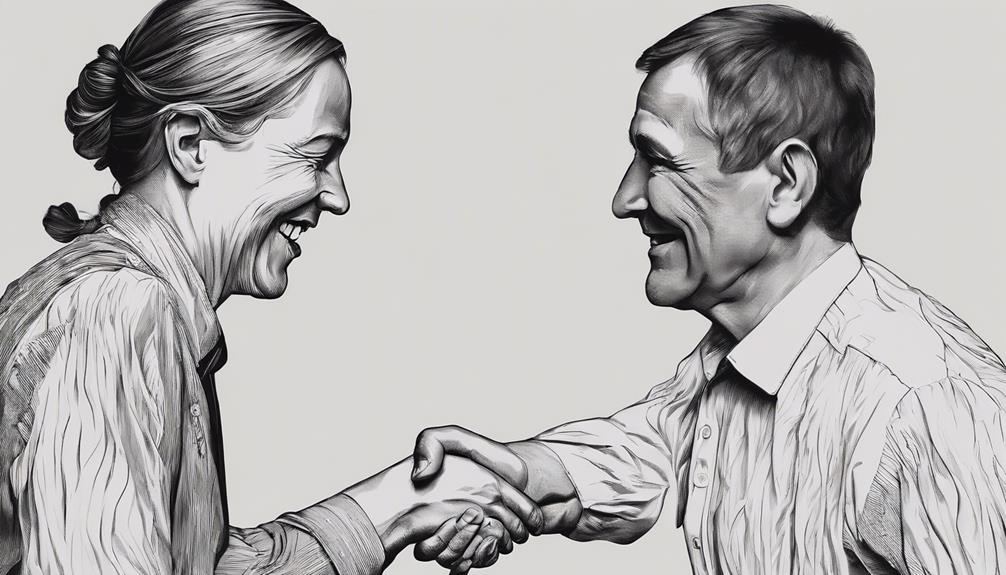
Peer connection is another practical need raised in the report. People living with a diagnosis, caregivers and people worried about inherited risk may be dealing with different circumstances, but readers asked for opportunities to find others who understand those experiences. Kan said connecting people has become a central aim of Being Patient’s work. Her account describes the publication’s response to its audience; it does not establish how common these needs are among all people affected by dementia.
The feedback also gives the outlet a stated agenda for future coverage: care options, clinical-trial information and community connections. Whether those plans meet readers’ needs will depend on the services and reporting Being Patient develops and how accessible they are.
dementia caregiver planning workbook after diagnosis
As an affiliate, we earn on qualifying purchases.
As an affiliate, we earn on qualifying purchases.
Stories That Led Readers Together
Kan founded Being Patient after her mother received an Alzheimer’s diagnosis. She described the platform as a journalism-driven source intended to explain dementia research clearly for patients and caregivers. In the report, she connected the latest reader responses to the publication’s existing Journey to Diagnosis stories, which feature people’s experiences of seeking and receiving a diagnosis.
Kan cited Luke Davis, who was diagnosed with Alzheimer’s in April 2023, shortly before his 69th birthday. Davis told her he had connected with people featured by the outlet and that a short video he posted on Being Patient’s Facebook page helped lead him toward advocacy. He described his diagnosis as “a detour, not a dead end.”
Kan also pointed to Karen Sandone, whose husband was diagnosed with younger-onset Alzheimer’s at 55. According to Kan’s report, Sandone and three other women formed the support group Surviving the Now, which attracted more than 400 participants over two months, mostly through social media. Kan said the Journey to Diagnosis stories, launched in late 2024, had been viewed more than 1.5 million times on Facebook and TikTok combined. Those figures are attributed to her report and cover those platforms, not all readership.
““I love reaching out to some of the Being Patient guests, both to develop connections and to invite them to be Voices of Alzheimer’s champions.””
— Luke Davis, quoted in Deborah Kan’s Being Patient report
How the 2027 Plans Will Take Shape
Kan did not disclose how many readers replied, how the emails were collected beyond the invitation to respond, or whether the messages reflect the wider dementia community. The report does not set out a timeline, budget or specific launch dates for the promised 2027 resources. It also does not specify which clinical-trial tools, home-care information or assisted-living guidance will be available, or whether any services will be offered directly by Being Patient.
The reader comments describe questions and experiences, not medical or benefits determinations. The report does not answer individual questions about eligibility for Medicare or VA support, genetic testing, care costs or treatment trials. Those matters can depend on a person’s circumstances and should not be inferred from the article.
Being Patient’s Next Coverage Steps
Kan said Being Patient is developing plans for 2027 that include help finding clinical trials and making information about home care and assisted living easier to use. She did not provide a publication schedule or further operational details. The outlet’s report also invited people living with a diagnosis or caring for someone who is to share their experiences with its editor, Ana.
For now, Kan said she is continuing to respond to readers and intends to keep peer connection central to the platform’s work. The next visible developments will be the publication’s additional reporting and any details it releases about the 2027 resources.
Key Questions
What did Being Patient readers ask for?
According to founder Deborah Kan, readers asked for practical guidance on care costs, planning after diagnosis, housing, genetic risk and clinical trials. Many also wanted to connect with people facing similar experiences.
Is the reader feedback a formal survey?
The report describes emails sent after Kan asked readers to reply with three needs. It does not provide a respondent count or say the responses came from a formal survey, so they should be read as reader feedback rather than representative data.
What does Being Patient plan for 2027?
Kan said the publication is developing resources to help people find clinical trials and understand home-care and assisted-living options. She did not provide specific launch dates or detailed descriptions.
How did reader stories help people connect?
Kan said people featured in Being Patient’s Journey to Diagnosis stories have gone on to connect with one another. She cited Luke Davis’s outreach to people featured by the outlet and a support group formed by Karen Sandone and three other women.
Source: rss
Halloween Picks
halloween
As an affiliate, we earn on qualifying purchases.