Searching for books on ethical non monogamy? The right resource can help you understand boundaries, improve communication, and build sustainable relationships. The Ethical Slut remains the best overall choice for comprehensive guidance, while books like More Than Two offer practical strategies for committed polyamory. A key challenge in this category is balancing emotional growth with practical advice, and deciding whether you need a foundational guide or an advanced resource. Continue reading for a detailed breakdown of the top picks and what makes each one unique.

Turn your wind-down time into listening time
- Thousands of audiobooks, podcasts and originals
- Listen on your phone, tablet or Echo — also offline
- Cancel anytime
Key Takeaways
- The best books combine practical exercises with nuanced discussions of emotional and attachment issues.
- Many top-rated titles emphasize communication skills and boundary setting as foundational skills for ethical non monogamy.
- There’s a noticeable split between comprehensive overviews for beginners and specialized guides for managing jealousy or trauma.
- Books that incorporate personal stories or case studies tend to resonate more deeply with readers seeking relatable content.
- Pricing and depth vary widely; comprehensive guides often come at a premium but offer more detailed advice.
| The Non-Monogamy Journal: 90+ Scenarios and Questions to Define Boundaries and Make Polyamory Work for You |  | Best Practical Tool for Self-Reflection and Boundary Setting | Number of scenarios: 90+ | Intended audience: Individuals and couples exploring boundaries | Format: Journal with prompts | VIEW ON AMAZON | See Our Full Breakdown |
| The Ethical Slut Workbook: An Adventurer’s Companion to Joyous, Sustainable Relationships of All Kinds |  | Best for Practical Exercises and Relationship Growth | Type: Workbook with exercises | Focus: Ethical, sustainable relationships | Intended audience: Individuals and couples exploring non-traditional relationships | VIEW ON AMAZON | See Our Full Breakdown |
| The Ethical Slut, Third Edition: A Practical Guide to Polyamory, Open Relationships, and Other Freedoms in Sex and Love |  | Most Comprehensive Guide to Exploring Non-Monogamy | Edition: Third edition | Content focus: Polyamory, open relationships, sexual freedom | Author expertise: Experienced field authors | VIEW ON AMAZON | See Our Full Breakdown |
| More Than Two: A Practical Guide to Ethical Polyamory |  | Best Focused on Respectful, Ethical Polyamory | Focus: Ethical polyamory | Scenario-based: Yes | Coverage: Respectful relationship principles | VIEW ON AMAZON | See Our Full Breakdown |
| Exploring Ethical Non-Monogamy: Practical Steps to Manage Fear, Improve Communication, Build Positive Relationships, & Increase Personal Growth |  | Best for Managing Emotional Challenges and Growth | Focus: Emotional management and communication | Target: People experiencing fears or jealousy | Approach: Practical, step-by-step guidance | VIEW ON AMAZON | See Our Full Breakdown |
| Open Monogamy: A Guide to Co-Creating Your Ideal Relationship Agreement |  | Best Practical Framework for Open Relationship Agreements | Target Audience: Couples exploring open monogamy | Focus: Relationship agreements and trust | Content Type: Practical strategies | VIEW ON AMAZON | See Our Full Breakdown |
| The Anxious Person’s Guide to Non-Monogamy: Your Guide to Open Relationships, Polyamory and Letting Go | 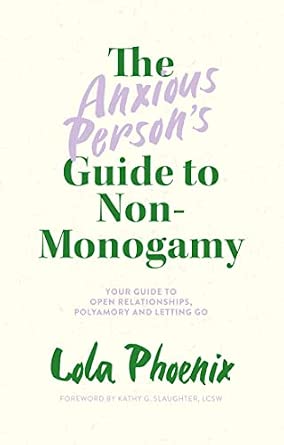 | Best for Managing Anxiety in Non-Monogamous Relationships | Target Audience: Beginners with anxiety | Focus: Managing anxiety and emotional well-being | Content Type: Practical advice and coping strategies | VIEW ON AMAZON | See Our Full Breakdown |
| Polysecure: Attachment, Trauma, and Consensual Nonmonogamy |  | Best for Deep Psychological Insights into Non-Monogamy | Target Audience: Practitioners and psychologically engaged readers | Focus: Attachment, trauma, and security | Content Type: In-depth psychological insights | VIEW ON AMAZON | See Our Full Breakdown |
| Thriving in Non-Monogamy: An Ethical Slut’s Guide to Overcoming Jealousy, Enjoying Sex, and Honoring Yourself |  | Best for Overcoming Jealousy and Personal Growth | Target Audience: Individuals seeking personal growth and jealousy management | Focus: Overcoming jealousy and self-respect | Content Type: Practical advice and emotional strategies | VIEW ON AMAZON | See Our Full Breakdown |
| The Beginner’s Guide to Ethical Non-Monogamy: The Who, What, Where, When, and Why of Ethically Non-Monogamous Relationships |  | Best Introductory Guide for Newcomers | Target Audience: Complete beginners | Focus: Foundational principles and types | Content Type: Introductory overview | VIEW ON AMAZON | See Our Full Breakdown |
| books on ethical non monogamy | Focus | Target Audience | Content Type | Depth |
|---|---|---|---|---|
| The Non-Monogamy Journal: 90+ | — | — | — | — |
| The Ethical Slut Workbook: An | Ethical, sustainable relationships | — | — | — |
| The Ethical Slut | — | — | — | — |
| More Than Two: A Practical Gui | Ethical polyamory | — | — | — |
| Exploring Ethical Non-Monogamy | Emotional management and communication | — | — | — |
| Open Monogamy: A Guide to Co-C | Relationship agreements and trust | Couples exploring open monogamy | Practical strategies | Beginner to intermediate |
| The Anxious Person’s Guide to | Managing anxiety and emotional well-being | Beginners with anxiety | Practical advice and coping strategies | Introductory |
| Polysecure: Attachment | Attachment, trauma, and security | Practitioners and psychologically engaged readers | In-depth psychological insights | Advanced |
| Thriving in Non-Monogamy: An E | Overcoming jealousy and self-respect | Individuals seeking personal growth and jealousy management | Practical advice and emotional strategies | Moderate |
| The Beginner’s Guide to Ethica | Foundational principles and types | Complete beginners | Introductory overview | Beginner |
More Details on Our Top Picks
The Non-Monogamy Journal: 90+ Scenarios and Questions to Define Boundaries and Make Polyamory Work for You
This journal stands out for its extensive collection of over 90 scenarios and questions, making it a valuable resource for those who prefer structured self-reflection. Compared with The Ethical Slut, which offers broad guidance, this journal provides concrete prompts tailored to clarifying boundaries and navigating specific situations. However, its lack of detailed content and format information may leave newcomers unsure of how to best utilize it. It’s ideal for couples or individuals who want a hands-on, scenario-based approach to deepen their understanding of non-monogamous boundaries.
Pros:- Offers a vast array of scenarios and questions for targeted self-reflection
- Helps clarify boundaries in complex relationship dynamics
- Practical, hands-on approach suitable for active exploration
Cons:- Limited information on content format and usability
- Lacks detailed explanations or background content for beginners
Best for: Individuals or couples seeking a practical, scenario-based tool to explore boundaries in non-monogamous relationships
Not ideal for: Beginners unfamiliar with non-monogamy who need foundational concepts explained first
- Number of scenarios:90+
- Intended audience:Individuals and couples exploring boundaries
- Format:Journal with prompts
- Content focus:Scenarios and boundary questions
- Page count:Not specified
- Publication date:Not specified
Our verdict“This journal is best suited for those who already have some familiarity with non-monogamy and want to deepen their boundary understanding through active reflection.”
The Ethical Slut Workbook: An Adventurer’s Companion to Joyous, Sustainable Relationships of All Kinds
Compared with the comprehensive guide The Ethical Slut, Third Edition, this workbook emphasizes experiential learning through targeted exercises designed to foster ethical, sustainable connections. Its focus on practical activities makes it especially useful for those actively working on improving their relationships, yet it offers less in terms of theoretical background. The absence of detailed product features or content depth may be a drawback for those seeking an in-depth resource. This makes it ideal for individuals or couples who prefer engaging exercises to deepen their understanding of non-monogamous living.
Pros:- Provides practical exercises for relationship development
- Focuses on ethical and sustainable relationship practices
- Excellent for those who learn through active participation
Cons:- Lacks detailed content descriptions or page counts
- No available customer ratings or reviews for validation
Best for: People looking for a hands-on, activity-driven approach to building ethical, sustainable relationships
Not ideal for: Readers seeking comprehensive theoretical frameworks or detailed relationship theory
- Type:Workbook with exercises
- Focus:Ethical, sustainable relationships
- Intended audience:Individuals and couples exploring non-traditional relationships
- Content depth:Limited details provided
- Publication date:Not specified
- Format:Printed workbook
Our verdict“This workbook is perfect for those who prefer interactive exercises to enhance their understanding and practice of ethical non-monogamy.”
The Ethical Slut, Third Edition: A Practical Guide to Polyamory, Open Relationships, and Other Freedoms in Sex and Love
This edition of The Ethical Slut offers extensive insights into polyamory, open relationships, and personal freedom, making it a go-to resource for those seeking a thorough understanding of ethical non-monogamy. It surpasses More Than Two in scope, offering detailed advice on navigating complex emotional and sexual territories. However, its comprehensive nature may deter readers who prefer quick reads or are new to the concepts, as some content can feel provocative or challenging. It’s ideal for readers eager for an in-depth, authoritative guide from experienced authors.
Pros:- Provides detailed, practical guidance for navigating ethical non-monogamy
- Covers emotional, sexual, and relationship freedoms comprehensively
- Written by experienced, established authors in the field
Cons:- May be too intense or provocative for some readers
- Not suitable for those seeking quick or simplified resources
Best for: Readers seeking a detailed, all-encompassing manual on polyamory and open relationships
Not ideal for: Beginners or those uncomfortable with provocative or advanced content
- Edition:Third edition
- Content focus:Polyamory, open relationships, sexual freedom
- Author expertise:Experienced field authors
- Page count:Not specified
- Publication year:2020
- Format:Print, e-book
Our verdict“This book is best for those who want an in-depth, authoritative resource to deepen their understanding of ethical non-monogamy and personal freedom.”
More Than Two: A Practical Guide to Ethical Polyamory
Compared with The Ethical Slut, Third Edition, More Than Two centers specifically on ethical polyamory, offering clear principles and real-world scenarios that promote respectful relationship dynamics. Its practical approach makes it suitable for readers committed to respectful, honest polyamory, but it does not delve deeply into other non-monogamous styles or broader relationship philosophies. The lack of detailed edition or publication specifics might be a concern for some. This book is a solid choice for those primarily interested in ethical polyamory with realistic guidance.
Pros:- Focuses on respectful, ethical polyamorous relationships
- Includes practical, real-world scenarios for application
- Promotes understanding and respect in non-traditional relationships
Cons:- Limited to readers interested exclusively in polyamory
- Lacks detailed publication or edition information
Best for: Readers interested in ethical polyamory with clear principles and real-world examples
Not ideal for: Individuals exploring other forms of non-monogamy like open relationships or swingers
- Focus:Ethical polyamory
- Scenario-based:Yes
- Coverage:Respectful relationship principles
- Author:Sara Young
- Page count:Not specified
- Publication year:2014
Our verdict“This book is well-suited for those committed to practicing ethical polyamory with respect and clarity in their relationships.”
Exploring Ethical Non-Monogamy: Practical Steps to Manage Fear, Improve Communication, Build Positive Relationships, & Increase Personal Growth
This book emphasizes practical strategies for handling fears, improving communication, and fostering growth, making it ideal for those who want actionable steps within their non-monogamous journey. While it covers essential topics nicely, it offers little detail on content depth or the author’s credentials, which might leave more experienced readers wanting more comprehensive guidance. Compared to The Ethical Slut, Third Edition, this title is more focused on emotional management and personal development, making it a good fit for those struggling with jealousy or anxiety.
Pros:- Offers practical steps for fear management and communication
- Focuses on building positive, growth-oriented relationships
- Suitable for those needing emotional support and strategies
Cons:- Lacks details on author credentials and content scope
- No specific content depth or edition info provided
Best for: Individuals or couples seeking concrete strategies to manage emotional challenges and foster personal growth in non-monogamous settings
Not ideal for: Readers looking for an in-depth philosophical or theoretical exploration of non-monogamy
- Focus:Emotional management and communication
- Target:People experiencing fears or jealousy
- Approach:Practical, step-by-step guidance
- Author info:Not specified
- Content depth:Limited details
- Publication year:Not specified
Our verdict“This guide is most helpful for those looking for straightforward, actionable advice to navigate emotional hurdles in non-monogamous relationships.”
Open Monogamy: A Guide to Co-Creating Your Ideal Relationship Agreement
This book stands out for its clear focus on practical strategies for establishing open monogamous relationships, making it ideal for couples seeking concrete tools to build trust and communication. Compared with The Ethical Slut, Third Edition, which covers a broader range of relationship styles, Open Monogamy zeroes in on mutually satisfying agreements within a monogamous framework, though it offers less content for those interested in polyamory or more complex dynamics. Its emphasis on mutual trust and communication provides a solid foundation, but it may fall short for readers wanting detailed case studies or deep theoretical insights. Best suited for couples beginning to explore open relationships or refining existing agreements.
Pros:- Offers practical, actionable strategies for creating relationship agreements
- Focuses on building mutual trust and clear communication
- Helpful for couples new to open relationships or seeking structure
Cons:- Limited content for those not interested in open monogamy
- Lacks detailed content or chapter summaries for in-depth study
Best for: Couples exploring or establishing open monogamous agreements who need practical, step-by-step guidance.
Not ideal for: Individuals not interested in open relationships or those seeking in-depth psychological or polyamory-specific content.
- Target Audience:Couples exploring open monogamy
- Focus:Relationship agreements and trust
- Content Type:Practical strategies
- Depth:Beginner to intermediate
Our verdict“A solid choice for couples seeking straightforward guidance on open monogamous agreements.”
The Anxious Person’s Guide to Non-Monogamy: Your Guide to Open Relationships, Polyamory and Letting Go
This book makes the most sense for individuals new to non-monogamy who struggle with anxiety, offering accessible advice for embracing relationship freedom while managing emotional challenges. It differs from Thriving in Non-Monogamy by focusing specifically on anxiety management, making it ideal for beginners or those with specific emotional hurdles. However, its coverage remains somewhat broad, lacking detailed case studies or exploration of complex relationship structures beyond basic open relationships and polyamory. If you’re seeking gentle guidance that helps you navigate your feelings confidently, this is a good fit.
Pros:- Provides practical, anxiety-reducing strategies
- Accessible language suitable for beginners
- Addresses common emotional hurdles in non-monogamy
Cons:- Lacks detailed case studies or advanced insights
- Does not cover all relationship styles or complex dynamics
Best for: Individuals new to non-monogamy with anxiety or emotional concerns, seeking straightforward guidance.
Not ideal for: Experienced non-monogamous practitioners or those looking for in-depth relationship dynamics beyond anxiety management.
- Target Audience:Beginners with anxiety
- Focus:Managing anxiety and emotional well-being
- Content Type:Practical advice and coping strategies
- Depth:Introductory
Our verdict“An excellent starting point for anxious individuals exploring non-monogamous relationships.”
Polysecure: Attachment, Trauma, and Consensual Nonmonogamy
Compared with The Ethical Slut, which offers broad relationship advice, Polysecure dives deep into attachment theory and trauma, making it better suited for readers interested in the psychological roots of relationship challenges. It offers valuable insights for those practicing or considering non-monogamy who want to understand how attachment styles influence relationship security, though its dense theoretical content might overwhelm newcomers or casual readers. The book’s focus on building secure attachments through understanding trauma makes it a specialized resource, but it lacks practical exercises or step-by-step guidance. This pick is ideal for psychologically engaged readers or therapists working with non-monogamous clients.
Pros:- Provides detailed insights into attachment styles and trauma
- Useful for practitioners and deeply engaged readers
- Offers practical strategies for fostering secure attachments
Cons:- Too specialized for general readers or casual practitioners
- Lacks detailed practical exercises or step-by-step guidance
Best for: Readers interested in the psychological and attachment-related aspects of non-monogamous relationships.
Not ideal for: Beginners or those seeking straightforward relationship advice without psychological complexity.
- Target Audience:Practitioners and psychologically engaged readers
- Focus:Attachment, trauma, and security
- Content Type:In-depth psychological insights
- Depth:Advanced
Our verdict“A valuable resource for those seeking a psychological understanding of non-monogamy and attachment security.”
Thriving in Non-Monogamy: An Ethical Slut’s Guide to Overcoming Jealousy, Enjoying Sex, and Honoring Yourself
This book is well-suited for readers seeking practical advice on managing jealousy and embracing personal growth within non-monogamous relationships, making it different from The Non-Monogamy Journal which emphasizes boundary scenarios and questions. Its focus on emotional management and self-respect helps foster healthy, ethical relationships, but it might not cover the full spectrum of relationship configurations or complex dynamics. Some readers could find certain content challenging or sensitive, requiring an open-minded approach. Nonetheless, it offers clear, actionable strategies for those committed to personal development and ethical practices.
Pros:- Offers practical, jealousy-reducing strategies
- Focuses on self-respect and ethical practices
- Empowers readers to honor their needs
Cons:- May not address all relationship types or dynamics
- Some content might be sensitive or challenging for certain readers
Best for: Individuals wanting practical tools to overcome jealousy and strengthen their self-respect in non-monogamous settings.
Not ideal for: Those looking for a comprehensive guide to all relationship styles or in-depth theoretical frameworks.
- Target Audience:Individuals seeking personal growth and jealousy management
- Focus:Overcoming jealousy and self-respect
- Content Type:Practical advice and emotional strategies
- Depth:Moderate
Our verdict“A practical guide for individuals aiming to manage jealousy and prioritize self-care in non-monogamous relationships.”
The Beginner’s Guide to Ethical Non-Monogamy: The Who, What, Where, When, and Why of Ethically Non-Monogamous Relationships
This book makes a clear case for its role as an entry-level resource, providing straightforward explanations of key concepts, relationship types, and considerations. It’s particularly useful for those new to ethical non-monogamy who need clarity without overwhelming detail, unlike More Than Two which offers more comprehensive guidance for experienced practitioners. While it covers the essentials well, it does not delve into advanced topics or provide detailed case studies, which might limit its usefulness for more seasoned readers. This pick is ideal for absolute beginners seeking a solid foundational understanding of ethical non-monogamy.
Pros:- Provides a clear, accessible introduction
- Covers various relationship styles and considerations
- Suitable for absolute beginners
Cons:- Lacks detailed case studies or advanced content
- May not satisfy experienced readers seeking depth
Best for: Beginners seeking a clear, simple overview of ethical non-monogamous relationships.
Not ideal for: Experienced practitioners or those looking for in-depth case studies or advanced topics.
- Target Audience:Complete beginners
- Focus:Foundational principles and types
- Content Type:Introductory overview
- Depth:Beginner
Our verdict“An ideal starter resource for those new to ethical non-monogamy needing a straightforward overview.”

How We Picked
The selection process focused on a combination of factors: clarity of explanations, practical usefulness, depth of content, and accessibility for different experience levels. I prioritized books that balance theory with actionable steps, ensuring that both newcomers and experienced practitioners find value. The rankings reflect how well each book addresses common challenges in ethical non monogamy, such as communication, jealousy, and boundary setting, while also considering the quality of writing and inclusivity. Ultimately, these picks stand out for their ability to guide readers through the emotional and practical aspects of non monogamous relationships, making them reliable resources for diverse needs.| books on ethical non monogamy | Target Audience | Content Type | Depth |
|---|---|---|---|
| The Non-Monogamy Journal: 90+ | — | — | — |
| The Ethical Slut Workbook: An | — | — | — |
| The Ethical Slut | — | — | — |
| More Than Two: A Practical Gui | — | — | — |
| Exploring Ethical Non-Monogamy | — | — | — |
| Open Monogamy: A Guide to Co-C | Couples exploring open monogamy | Practical strategies | Beginner to intermediate |
| The Anxious Person’s Guide to | Beginners with anxiety | Practical advice and coping strategies | Introductory |
| Polysecure: Attachment | Practitioners and psychologically engaged readers | In-depth psychological insights | Advanced |
| Thriving in Non-Monogamy: An E | Individuals seeking personal growth and jealousy management | Practical advice and emotional strategies | Moderate |
| The Beginner’s Guide to Ethica | Complete beginners | Introductory overview | Beginner |
Factors to Consider When Choosing Books On Ethical Non Monogamy
Choosing the right book on ethical non monogamy depends on your current understanding, goals, and personal challenges. Some titles serve as comprehensive introductions, while others focus on specific issues like jealousy or attachment. Considering your experience level and what you hope to gain will help you select the most appropriate resource. Broader factors such as writing style, inclusivity, and practical exercises can significantly impact how much you benefit from a book. Here are key considerations to keep in mind before making your choice.Experience Level and Content Depth
Identify whether you’re new to ethical non monogamy or already practicing. Beginners often need straightforward overviews that cover fundamental concepts, while advanced readers may prefer books that delve into complex emotional dynamics or trauma. Choosing a book that matches your experience ensures you won’t feel overwhelmed or under-informed, leading to more effective learning and application.
Focus and Specificity
Some books provide broad overviews, ideal for those starting out, whereas others specialize in areas like jealousy management, attachment styles, or communication strategies. Be clear about your primary needs—if jealousy is a major concern, look for titles that focus on emotional regulation. For general understanding, a comprehensive guide will serve better than a narrow focus.
Practical Exercises and Tools
Books that include practical tools such as journal prompts, boundary-setting exercises, or communication scripts tend to be more actionable. These features help translate theory into real-world skills, especially important for those who learn best through practice. Check reviews to see if the book offers these kinds of resources, as they significantly enhance your ability to implement concepts.
Writing Style and Inclusivity
Clear, engaging writing makes complex topics easier to grasp. Additionally, inclusive language and diverse perspectives ensure the content resonates with people of different backgrounds and relationship styles. Avoid books that use jargon-heavy language or appear exclusive, as these can hinder understanding and comfort.
Price and Format
Consider whether you prefer a quick-reference guide, a detailed workbook, or a comprehensive volume. Price varies widely, with workbooks and detailed guides generally costing more but offering more value through exercises. Decide what fits your budget and reading preferences—whether you want an accessible paperback or a more in-depth hardcover can influence your satisfaction with the purchase.
Frequently Asked Questions
Are books on ethical non monogamy suitable for complete beginners?
Yes, many books are specifically designed for beginners, providing clear explanations of core concepts, terminology, and foundational principles. Titles like The Beginner’s Guide to Ethical Non-Monogamy break down complex ideas into accessible language and often include practical advice to start your journey safely and confidently. However, even beginner-friendly books can vary in tone and depth, so it’s worth choosing one that matches your learning style and comfort level.
How do I choose between a comprehensive guide and a specialized book?
If you’re new to non monogamy or want a broad overview, a comprehensive guide like The Ethical Slut is a good starting point. For specific challenges, such as jealousy or attachment issues, specialized books like Polysecure or The Anxious Person’s Guide to Non-Monogamy offer focused insights. Your choice depends on whether you need foundational knowledge or targeted strategies for particular emotional hurdles.
Can I rely solely on books to navigate ethical non monogamy?
While books provide valuable frameworks, they should complement real-world experience and open communication with partners. Reading can help clarify your values and develop skills, but ongoing discussions and shared understanding with partners are essential. Practical application, coupled with honest dialogue, makes the biggest difference in building healthy non monogamous relationships.
Are there any risks in using books as primary resources for non monogamy?
Yes, some books may oversimplify or omit important nuances, especially regarding emotional risks like jealousy or trauma. Relying solely on written material without considering your unique circumstances can lead to misunderstandings or unaddressed issues. It’s wise to approach these books as part of a broader process that includes honest partner conversations and, if needed, professional support.
Should I invest in more expensive books or workbooks?
Price often correlates with the level of detail and practical content. Workbooks and comprehensive guides tend to cost more but offer exercises, reflection prompts, and step-by-step advice that can accelerate your learning. If you’re committed to deepening your understanding and developing skills, investing in these detailed resources pays off. For quick introductions, more affordable options may suffice, but be prepared to supplement with additional reading or support.
Conclusion
For newcomers or those seeking a broad foundation, The Ethical Slut remains the best overall choice due to its comprehensive approach and practical advice. Those looking for a budget-friendly introduction might prefer The Beginner’s Guide to Ethical Non-Monogamy. If you prioritize emotional growth or struggle with jealousy, Polysecure offers targeted insights. For experienced readers wanting in-depth exercises, the Ethical Slut Workbook provides actionable tools. Ultimately, your ideal pick depends on your familiarity with non monogamy, specific emotional challenges, and how deep you want your exploration to go.
Halloween Picks
halloween
As an affiliate, we earn on qualifying purchases.