
TL;DR

Turn your wind-down time into listening time
- Thousands of audiobooks, podcasts and originals
- Listen on your phone, tablet or Echo — also offline
- Cancel anytime
Stress relief tools range from simple breathing exercises to high-tech wearables. They can support your well-being, but effectiveness varies. Trying different methods and practicing regularly makes a real difference.
Stress feels like that relentless background noise—your heart pounds, your muscles tighten, and your mind races. But what if calming down was just a few deep breaths away? The truth is, the right tools can turn stress from an overwhelming wave into a manageable ripple.
This article dives into the most practical, effective relaxation methods—tools you can use anytime, anywhere. Whether you prefer old-school practices like stretching or high-tech gadgets, you’ll find real-world tips and insights to help you find your calm.
Quick stress relief tools like deep breathing and grounding can provide immediate calm in moments of overwhelm.
Consistency in practicing relaxation techniques builds resilience and makes calm more accessible over time.
Compare products and apps based on your preferences, budget, and comfort with technology.
Relaxation tools complement, but do not replace, professional mental health support when stress becomes unmanageable.
Small daily habits—like a 5-minute stretch or mindful walk—have a powerful cumulative effect on your overall stress levels.
What Are the Best Simple Tools for Instant Calm?
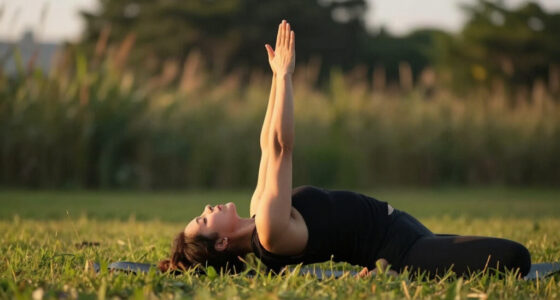
When stress hits hard, quick fixes are gold. The best tools are those you can do in a minute or two—no special equipment needed. Think slow, steady breathing, grounding yourself by focusing on your senses, or a quick stretch. For example, a 4-7-8 breathing pattern—inhale for 4 seconds, hold for 7, exhale for 8—can help slow your heart rate fast.
These techniques matter because they interrupt the stress response cycle. When you’re overwhelmed, your body is in a state of heightened alertness, releasing stress hormones like adrenaline and cortisol. Quick, simple tools activate the parasympathetic nervous system—the body’s natural relaxation response—shutting down the stress reaction. However, the tradeoff is that these methods offer only temporary relief if not practiced regularly. Relying solely on quick fixes without addressing underlying stressors may lead to a cycle of short-lived calm followed by renewed tension. Nonetheless, they are invaluable for managing acute moments of stress and can serve as stepping stones to more sustained relaxation habits.
As an affiliate, we earn on qualifying purchases.
How to Use Breathing and Mindfulness to Chill Out
- Find a comfortable spot—sit or lie down. Close your eyes if you like.
- Take a slow, deep breath through your nose, feeling the air fill your belly.
- Hold that breath for a count of three.
- Exhale slowly through your mouth, making a gentle “whoosh” sound.
- Repeat for 3-5 minutes, focusing on your breath or the sensations around you.
This simple practice works because it directly influences your nervous system. By focusing on your breath, you shift attention away from stressful thoughts, reducing mental chatter that can escalate anxiety. The act of slow breathing also stimulates the vagus nerve, which promotes relaxation. Apps like Headspace or Calm can help structure this practice, but the core technique is accessible without any tools. Regularly incorporating mindful breathing trains your brain to respond more calmly under stress, creating a form of mental resilience. The tradeoff is that this requires discipline—it’s easy to forget or dismiss as ‘too simple’—but over time, its cumulative effect can significantly reduce the intensity and frequency of stress responses.
Compare Top Stress-Relief Products and Apps
| Feature | Weighted Blankets | Biofeedback Devices | Meditation Apps |
|---|---|---|---|
| How they work | Apply gentle pressure to mimic a hug, calming the nervous system. This tactile sensation can signal safety to your brain, helping to reduce hyperarousal and promote sleep. However, the effectiveness depends on the individual’s preference for weight and texture, and they may feel too warm or restrictive for some. | Track physiological signals like heart rate or skin conductance to provide real-time feedback, guiding relaxation exercises. These devices can help you understand your body’s responses, making relaxation more targeted. But, since they offer estimates rather than diagnoses, they should complement, not replace, professional advice. | Offer guided meditations, breathing exercises, and sleep tools through a user-friendly interface. They encourage regular practice by providing structure and reminders. The limitation is that their effectiveness hinges on user engagement and consistency; without regular use, benefits diminish. |
| Cost | $50–$200 | $100–$300 | Free to $15/month |
| Best for | Sleep and calmness | Data-driven stress management | Mindfulness and meditation beginners or enthusiasts |
| Limitations | Can feel heavy or too warm for some | Device readings are estimates, not diagnoses | Requires regular practice for benefits |
Choosing the right tool depends on your preferences and needs. Weighted blankets feel like a comforting hug, perfect for sleeping. Biofeedback devices give real-time insights but need some tech comfort. Apps are versatile but depend on your commitment. Recognizing these tradeoffs helps you make an informed choice that aligns with your lifestyle and stress management goals.
Why Consistent Practice Beats One-Time Fixes
Relaxation isn’t a one-and-done deal. Regular practice turns fleeting calm into a lasting skill. For instance, dedicating just 10 minutes daily to breathing exercises can significantly reduce cortisol levels over a month. This consistency helps embed relaxation responses into your nervous system, making calmness more automatic during stressful situations.
Think of it like exercising: a single workout might boost your mood temporarily, but habitual exercise builds resilience and strength over time. Similarly, daily relaxation routines cultivate a mental and physiological buffer against stress. The tradeoff is that it requires discipline and patience—results are gradual, and motivation can wane. However, the long-term payoff is a more adaptable, less reactive mind and body, reducing the impact of stressors before they escalate. Establishing simple routines, like morning stretches or mindful walks, can create a foundation that makes handling life’s inevitable stressors easier and less overwhelming.
When to Seek Professional Help—And Why It Matters
Sometimes, stress feels overwhelming, even with tools at hand. If persistent worry, sleep trouble, or mood changes interfere with your life, it’s time to talk to a mental health professional. They can help uncover underlying issues—such as anxiety disorders or depression—that self-help methods might not fully address. Professional support offers personalized strategies, therapy, or medication if necessary, which can accelerate recovery and build resilience.
For example, if you’re using relaxation techniques but still feel anxious or exhausted, this signals that underlying factors may need targeted intervention. Combining self-care with professional guidance can lead to more sustainable improvements. The tradeoff here is that seeking help might feel daunting or stigmatized, but understanding that mental health is a critical component of overall well-being helps reframe it as a proactive step rather than a last resort. Early intervention often prevents stress from escalating into more serious mental health issues, making professional support an essential part of comprehensive stress management.
Frequently Asked Questions
What is the fastest way to calm down when I’m stressed?
Often, taking a few slow, deep breaths or grounding yourself by focusing on your senses can help quickly. For example, noticing the texture of an object or listening to ambient sounds can shift your focus and reduce immediate tension.
Which relaxation technique is best for anxiety or stress?
There’s no single best. Some find breathing exercises effective, others prefer mindfulness or gentle movement. Experiment with different methods to see what calms your mind and body most.
Do stress-relief tools actually work?
Many have research backing their benefits, like breathing exercises lowering cortisol by up to 20%. But results vary—what works for one person might not for another. Consistent use is key to seeing real change.
How often should I practice?
Short daily sessions—like 5 to 10 minutes—are often most sustainable. Regular practice helps your nervous system get used to feeling calmer, making stress easier to manage over time.
Can breathing exercises or meditation make anxiety worse?
Yes, especially if you’re highly distressed or trauma-affected. If you feel uncomfortable, try keeping your eyes open, focusing on external sounds, or stopping altogether. Find what feels safe and supportive for you.
Conclusion
The right relaxation tools can turn chaos into calm—if you use them consistently. It’s about finding what fits your life and making it a habit. Over time, these small, mindful choices create a calmer, more resilient you.
Imagine a quiet morning, sipping tea, feeling grounded and in control. That’s the power of simple, effective stress relief—waiting just a breath or a step away. Start small, stay steady, and watch your stress melt away.
Fall Picks
fall essentials
As an affiliate, we earn on qualifying purchases.