
TL;DR

Turn your wind-down time into listening time
- Thousands of audiobooks, podcasts and originals
- Listen on your phone, tablet or Echo — also offline
- Cancel anytime
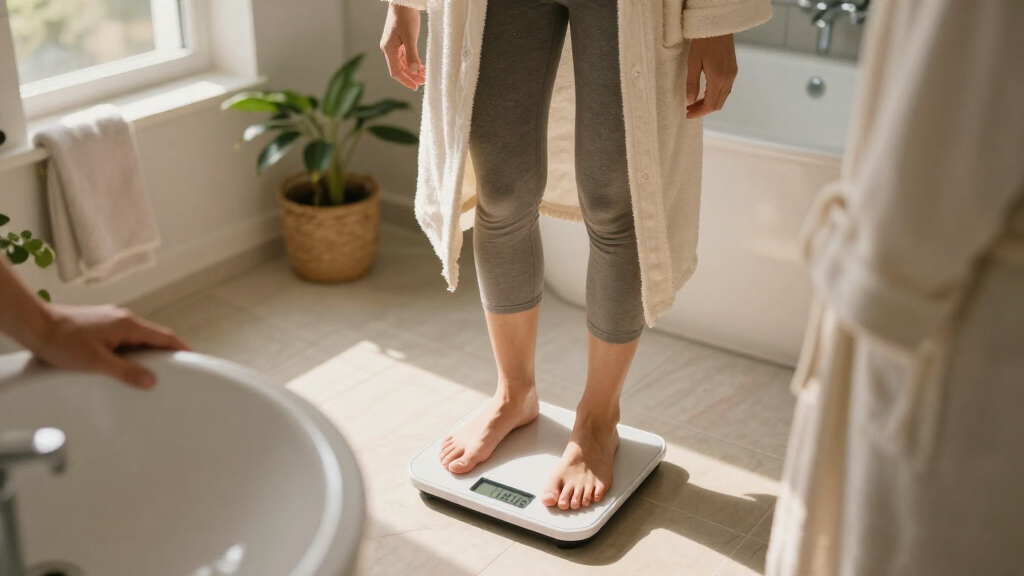
Trainer and liftCLINIC CEO Amanda Lim described a weekly routine combining strength training, running, walking, yoga and postpartum core rehabilitation. She advises people not to treat scale weight as a stand-in for health, and suggests tracking measures such as lifting progress and muscle mass instead.
Trainer and liftCLINIC CEO Amanda Lim has shared a sample week of exercise that combines strength training, cardio, walking, yoga and core rehabilitation, alongside advice to assess progress using more than body weight. In a Fit&Well report, Lim said scale weight and health do not necessarily track together, and described tracking her lifting numbers and muscle mass as alternative ways to monitor her own progress.
Lim, 43, has worked as a trainer for more than 20 years and leads liftCLINIC, which the report describes as a metabolic health center focused on longevity. She called her approach deliberately uncomplicated: “I always joke that I have the most boring workout routine in the world,” she said, describing a balance of functional strength training, zone two cardio and walking.
Her example schedule includes a leg-focused strength session on Monday and upper-body strength on Tuesday. Wednesday is set aside for postpartum core rehabilitation, followed by a walk for active recovery on Thursday. Friday includes high-intensity running intervals in the morning and yoga in the evening; Saturday is a power-focused workout, and Sunday a zone two run. The schedule is her personal example, not a prescription for every reader.
Lim said she continues pelvic floor, deep core and postpartum rehabilitation work while raising three children; her youngest is two and a half. She told Fit&Well that these areas can remain relevant beyond the immediate period after childbirth and may become a focus again as women approach perimenopause. The report does not provide clinical findings or make an independent assessment of her claims.
Progress Beyond Scale Weight
Lim’s comments address a common way of judging fitness: treating changes on the scale as the main indicator of health or exercise progress. She argued that body weight alone does not capture every change a person may want to monitor, and recommended considering lifting performance and muscle mass instead. These are her personal recommendations, rather than a claim that any one measure can assess overall health on its own.
Her routine also illustrates how training can include different purposes across a week: strength and power work, aerobic exercise, mobility or recovery, and rehabilitation. For readers trying to establish consistency, her advice is to begin with a manageable action rather than imitate the full schedule. Lim’s suggested starting point is a five-minute walk, with the goal of making activity easier to sustain.
The postpartum and perimenopause discussion may be relevant to readers whose exercise needs change with life stage. Lim’s account is an individual perspective; the report does not establish that her schedule or rehabilitation approach is suitable for everyone. People with health concerns or recovery needs may require advice tailored to them.
postpartum core rehabilitation exercises
As an affiliate, we earn on qualifying purchases.
As an affiliate, we earn on qualifying purchases.
A Routine Built Around Variety
The source report presents Lim’s week as an example of how she combines several forms of activity, rather than a rigid program or a plan validated for a broad population. It covers seven days, with strength work early in the week, recovery and core rehabilitation midweek, and running, yoga and power work later on. The article gives session times but does not state workout lengths, intensity targets or how Lim adjusts the plan when circumstances change.
Alongside her routine, Lim offered five suggestions for people seeking consistency: use measures beyond scale weight, value the early stages of learning, try developing a new physical skill, start with walking, and practise self-compassion. She said beginners may see more initial muscle development than trained athletes, but the supplied report does not cite a study or specify how that comparison was measured.
Lim also referred to six commonly cited lifestyle-medicine pillars: nutrition, sleep, physical activity, stress management, social connection and reducing exposure to harmful substances. She proposed self-compassion as a seventh pillar, describing forgiveness and persistence as important when someone falls short of personal goals. That framing is her view, not a formally established addition presented in the report as an official medical standard.
““We have to separate the number on the scale—the weight of our bodies—from the assessment of our health, because those two things don’t typically track beautifully together.””
— Amanda Lim, as quoted by Fit&Well
Limits of the Personal Example
The report describes Lim’s own routine and opinions; it does not establish that the schedule is appropriate for all fitness levels, health conditions or stages of recovery. It also does not provide supporting research for the quoted comparisons about beginner muscle development or for the claim that postpartum-related concerns can reappear during perimenopause.
Several practical details are not supplied, including the duration and exact intensity of each session, how the program was developed, and whether Lim works with medical professionals on her rehabilitation. The article also does not define how she measures muscle mass or discuss the limits of using that measure. Her advice to look beyond scale weight should not be read as saying that weight is irrelevant in every clinical assessment; the report makes no such finding.
Fit&Well’s supplied report does not name a publication date, and no follow-up or response from an independent health authority is included in the source material. The information here is an account of Lim’s statements, not individualized medical guidance.
Applying the Advice Safely
The source material describes no forthcoming study, clinic program or scheduled announcement from Lim. For readers, the next step she recommends is modest: begin with a short walk, then build a sustainable routine that can include strength work and other activity suited to individual circumstances. Her own weekly timetable should be understood as an example, not a required target.
Anyone considering postpartum rehabilitation, changes to exercise during perimenopause, or a new training plan in the presence of a health condition can discuss appropriate options with a qualified health professional. The report does not specify a standard follow-up plan or provide additional clinical guidance.
Key Questions
Who is Amanda Lim?
Fit&Well identifies Lim as a 43-year-old trainer with more than 20 years of experience and the CEO of liftCLINIC, a metabolic health center focused on longevity.
What does Lim’s weekly workout schedule include?
Her example week includes two strength sessions, postpartum core rehabilitation, walking for active recovery, running intervals, yoga, a power-focused workout and a zone two run. The report does not give session durations or suggest that everyone should follow this exact schedule.
What does Lim recommend tracking instead of scale weight?
Lim says she tracks the weights she lifts and her muscle mass. These are her chosen progress measures; the report does not present them as a complete assessment of health.
What is Lim’s suggested starting point for beginners?
She recommends beginning with a five-minute walk and building consistency from there. Her advice is a general suggestion in the report, not individualized medical guidance.
Is Lim’s routine a medical or fitness prescription?
No. The report presents it as Lim’s personal example, not a plan validated for every reader. People with health concerns or rehabilitation needs can seek advice from a qualified professional before changing their activity.
Source: rss
Halloween Picks
halloween
As an affiliate, we earn on qualifying purchases.