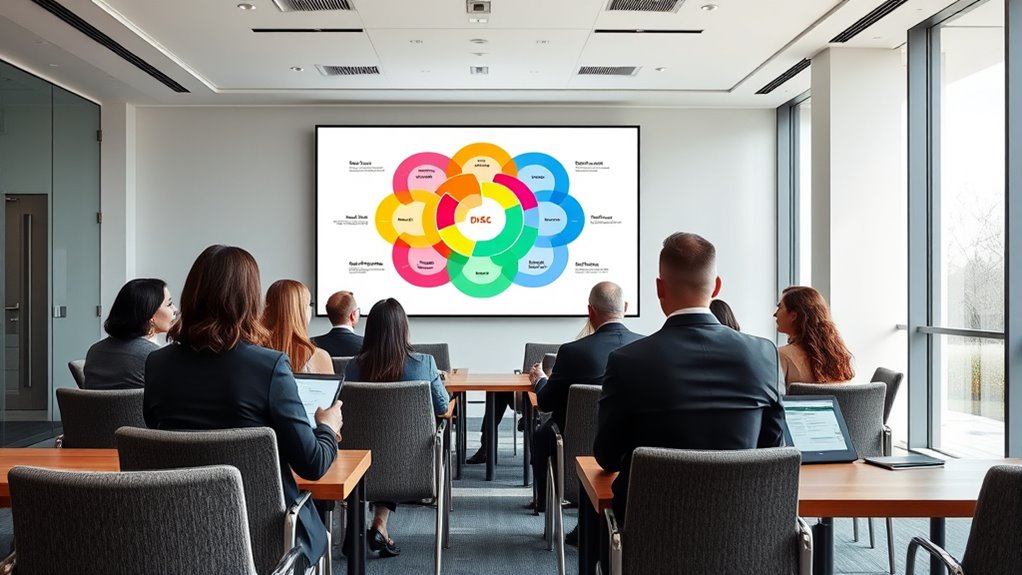

Future directions for DISC research and practice involve integrating new technologies like AI, data analytics, and mobile apps to deliver more personalized, real-time insights. You’ll see a growing focus on adapting assessments for diverse cultural contexts, ensuring they reflect different behavioral norms worldwide. These advances will make DISC tools more accessible, accurate, and applicable across virtual and remote environments. Keep exploring how these innovations can transform your understanding and application of DISC for even greater impact.
Key Takeaways
- Integrate AI and data analytics for personalized, real-time DISC assessment and developmental feedback.
- Develop culturally adaptive DISC tools to enhance global applicability and reduce misinterpretations.
- Create user-friendly digital platforms that support ongoing behavioral tracking and remote application.
- Conduct cross-cultural research to distinguish universal behaviors from culturally specific expressions.
- Combine technological and cultural insights to refine interpretation accuracy and foster inclusive, effective interventions.
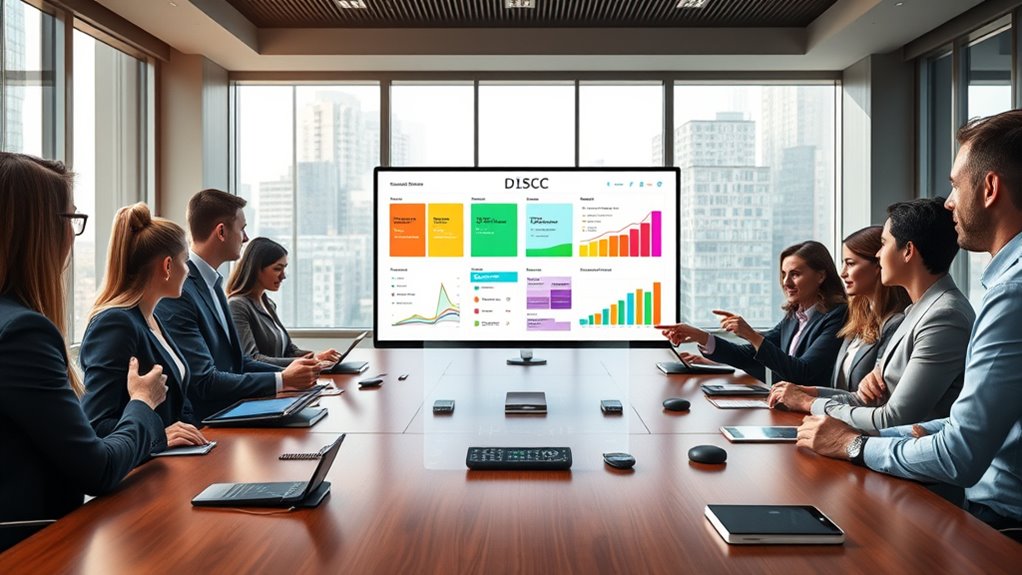
As DISC research continues to evolve, exploring new applications and refining existing methods becomes essential to maximize its practical impact. One promising avenue involves technological integration, where digital tools and platforms can enhance the way you assess, interpret, and apply DISC insights. With advancements in artificial intelligence and data analytics, you can now access more personalized, real-time feedback, making DISC assessments more accessible and actionable across various settings. For example, mobile apps and online dashboards allow you to quickly understand behavioral styles, facilitating faster decision-making in leadership, team building, or conflict resolution. These technological tools can also support ongoing development by tracking behavioral changes over time, giving you a clearer picture of growth and areas needing improvement. As you incorporate technology, it’s critical to ensure that these tools are user-friendly and that they preserve the integrity of the original DISC framework. When done correctly, technological integration makes DISC more versatile, enabling you to apply it in virtual environments, remote teams, or cross-disciplinary contexts with ease.
Another pivotal future direction involves cross-cultural adaptation. As you work within increasingly diverse environments, understanding how DISC behaviors manifest across different cultures becomes crucial. Cultural norms influence how behaviors are expressed and interpreted, which can impact the accuracy and relevance of DISC assessments if not properly adapted. To maximize its global utility, you need to refine DISC tools to account for cultural nuances, ensuring that behavioral patterns are understood within their specific contexts. This means developing culturally sensitive versions of assessments and training practitioners to interpret results with cultural awareness. By doing so, you help prevent miscommunication and foster more meaningful interactions across diverse teams. Cross-cultural adaptation also involves ongoing research to identify universal behavioral tendencies versus culturally specific expressions, enabling you to tailor interventions and development plans that resonate locally while maintaining scientific validity.
In the future, integrating technological advancements with cross-cultural insights could revolutionize how you use DISC. Imagine platforms that automatically adjust interpretations based on cultural data or AI-driven recommendations that consider cultural background alongside behavioral style. This synergy would allow you to deploy DISC more effectively on a global scale, enhancing its relevance and impact. Ultimately, as these trends develop, your ability to navigate complexity, foster inclusion, and optimize individual and team performance will profoundly improve. Staying ahead in DISC research means embracing these innovations—not just to stay current but to deepen your understanding of human behavior in all its cultural and technological dimensions.
Frequently Asked Questions
How Can DISC Be Integrated Into Remote Team Management?
You can integrate DISC into remote team management by using it to tailor your communication strategies for virtual teams. Recognize each team member’s DISC profile to adapt your messaging, provide targeted feedback, and foster better collaboration. Use DISC assessments to facilitate virtual team-building activities, improve understanding, and resolve conflicts. This personalized approach helps you build trust, enhance engagement, and effectively manage diverse personalities across digital platforms.
What Are the Limitations of DISC in Multicultural Settings?
You should be aware that DISC has limitations in multicultural settings due to cultural biases and language barriers. Cultural biases may lead you to misinterpret behaviors, as certain traits can be valued differently across cultures. Language barriers might hinder accurate communication and understanding of DISC assessments. To effectively use DISC globally, you need to adapt your approach, remain sensitive to cultural differences, and guarantee clear, culturally appropriate communication.
How Does DISC Compare to Other Personality Assessments?
Think of personality frameworks as different maps guiding your journey; DISC is straightforward and easy to read, but other assessments like the Big Five offer deeper insights. While DISC provides quick, actionable results, assessment validity varies across tools. You might find DISC’s simplicity helpful, yet exploring alternative frameworks could reveal nuances you need for personalized growth or team dynamics. Ultimately, choosing the right assessment depends on your specific goals and context.
Can DISC Be Adapted for Children and Adolescents?
Yes, DISC can be adapted for children and adolescents. You can use child adaptation tools designed to suit younger ages, making the assessment engaging and age-appropriate. For adolescents, you might incorporate more detailed questions for an accurate adolescent assessment. These adaptations help you gain valuable insights into personality traits, improving communication and personal development strategies tailored for children and teens.
What Ethical Considerations Are Involved in DISC Usage?
When using DISC, you must consider privacy concerns and cultural sensitivity. You’re responsible for safeguarding personal data and ensuring confidentiality, especially when sharing results with others. Additionally, be mindful of cultural differences that may influence how traits are interpreted or valued. Respect diverse backgrounds and avoid stereotypes, ensuring ethical use by obtaining informed consent and using the assessment fairly and responsibly.
Conclusion
Imagine you’re sailing toward uncharted waters, eager to discover new islands of understanding. Just like explorers, researchers and practitioners must navigate evolving theories and tools, embracing innovation and collaboration. With each breakthrough, you get closer to clearer insights and more effective practices. By staying curious and adaptable, you’ll guarantee the future of DISC research continues to chart a course that empowers everyone to thrive in their personal and professional journeys. The horizon’s waiting—are you ready?