
TL;DR

Turn your wind-down time into listening time
- Thousands of audiobooks, podcasts and originals
- Listen on your phone, tablet or Echo — also offline
- Cancel anytime
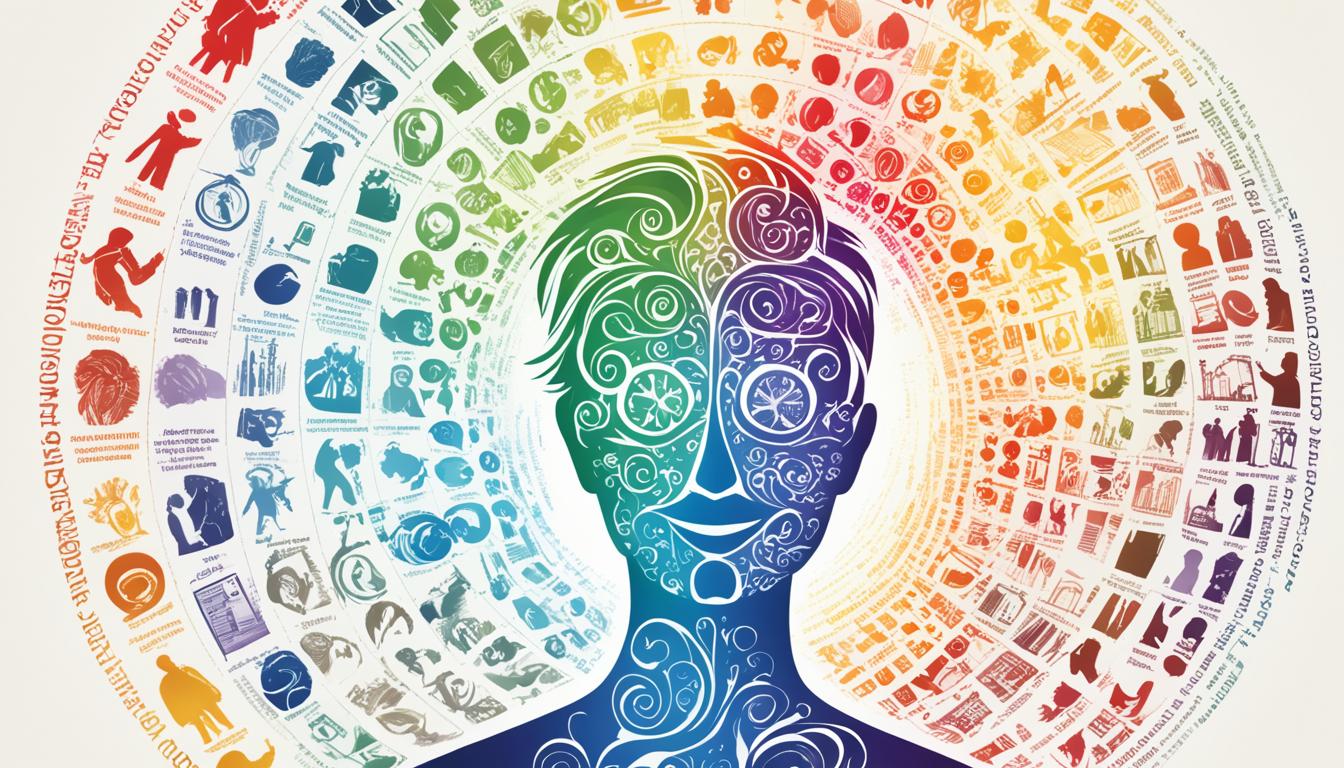
Adult coloring books can help ease short-term stress by focusing attention on simple, repetitive tasks. Choosing the right designs and materials enhances their calming effects. Remember, coloring supports wellness but isn’t a substitute for professional care.
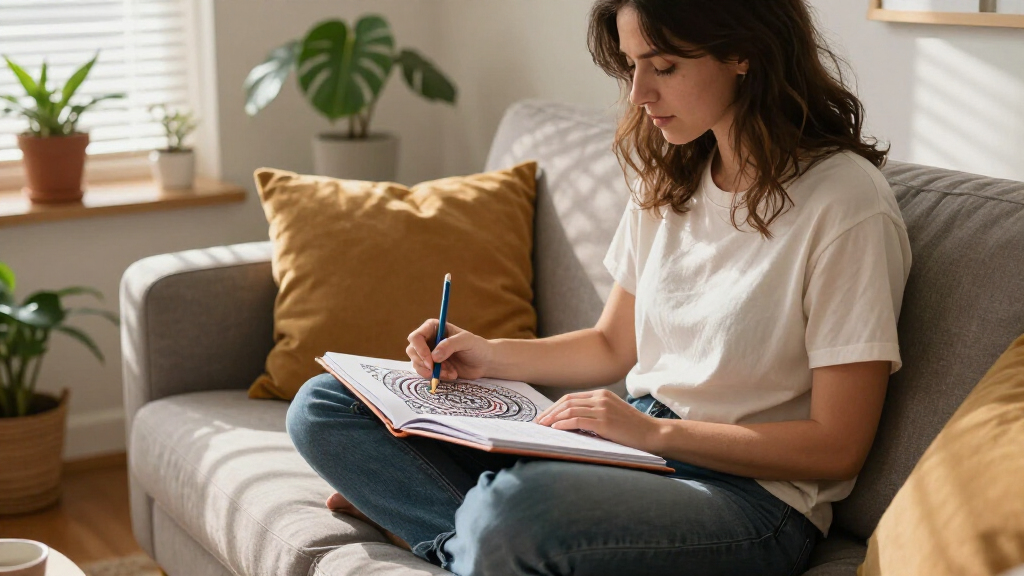
Imagine a moment when your mind feels like a tangled ball of yarn—busy, restless, overwhelmed. Now, picture a simple, accessible activity that can gently unwind that ball: coloring. Not just for kids anymore, adult coloring books have surged in popularity because they offer a surprisingly effective way to quiet the mind and focus on the present. In this post, you’ll learn how coloring can serve as a calming ritual, what features make a book truly relaxing, and how to get the most out of your coloring time.
If you’re seeking a break from the chaos—whether for a few minutes or a longer session—coloring offers a tactile, sensory experience that can help shift your attention away from worries and toward a peaceful, creative flow. You’ll discover how to choose the right designs and tools for your style, and explore the latest trends that keep this activity fresh and engaging.
Choose designs that match your mood—simple for quick relaxation, detailed for immersive calm.
Invest in quality materials like thick paper and comfortable tools to enhance your coloring experience.
Set realistic goals: 10-20 minutes can be enough to feel the stress-melting benefits.
Explore current trends like coloring journals or digital apps to keep your routine fresh.
Remember, coloring is a self-care activity—accept imperfections and focus on the process, not the outcome.
What Makes Coloring a Powerful Stress Buster
Coloring taps into something primal: the joy of creating with your hands. The repetitive motion of filling in shapes, combined with visual focus on a pattern, acts like a gentle mental reset. Think of it as a mini-meditation—your mind slows down, and your body relaxes.
For example, a person stuck in a stressful workday might take a 15-minute break with a simple floral pattern. As they concentrate on choosing colors and staying within the lines, their racing thoughts quiet down. That moment of flow—when you’re fully absorbed—can significantly lower stress hormones and boost mood.
Research from psychology shows that coloring mandalas and geometric patterns can lower short-term anxiety levels. About 60% of participants report feeling calmer after just one session, according to a 2022 study [1]. This is significant because it highlights how the act of engaging with structured, repetitive designs can serve as a quick, accessible tool for stress reduction. The implications are profound: incorporating such activities into daily routines can provide immediate relief, especially during high-stress periods. However, it’s important to recognize that while beneficial, coloring alone may not address underlying issues—making it a complementary practice rather than a comprehensive solution.
adult coloring books for stress relief
As an affiliate, we earn on qualifying purchases.
As an affiliate, we earn on qualifying purchases.
How to Pick the Perfect Coloring Book for Your Calm
Choosing the right coloring book is like finding a good pair of shoes—comfort, style, and fit matter. Look for books with designs that match your mood and energy level. Want quick wins? Opt for simpler pages with bold outlines. Crave detail? Find books with intricate patterns that keep your hands busy.
Here’s a quick comparison to help you decide:
| Feature | Simple Designs | Detailed Patterns |
|---|---|---|
| Ease of use | Ideal for beginners or short sessions | Best for experienced colorers or longer periods |
| Stress level | Lower; quick satisfaction | Higher; immersive experience |
| Design types | Bold shapes, large spaces | Mandala, intricate florals, elaborate scenes |
Beyond design complexity, consider how the choice impacts your overall experience. Simpler designs tend to be less intimidating, encouraging regular engagement, which is crucial for stress relief. However, they may lack the depth needed for prolonged immersion. Conversely, intricate patterns can be more absorbing but risk causing frustration if they feel overwhelming or if your skill level isn’t aligned. The key is balancing challenge with accessibility—selecting designs that promote a sense of accomplishment without frustration. Also, pay attention to paper quality—thick, bleed-proof pages allow you to use markers or watercolors without worry, supporting your preferred medium. The binding matters too; lay-flat books or spiral-bound options facilitate easier coloring near the edges, reducing physical strain. Ultimately, choosing a book that aligns with your personal preferences and stress-relief goals enhances the likelihood of making coloring a regular, calming practice.
The Best Materials That Turn Coloring Into a Relaxation Ritual
Choosing your tools can make or break your calming experience. Colored pencils are perfect for control and precision—they don’t bleed and are gentle on the eyes. Markers provide bold, vibrant colors but require thick paper to avoid messes. Gel pens add sparkle and fine detail, while crayons bring a softer, tactile feel to the activity.
Pro tip: Always place scrap paper behind your page when using markers or gel pens. This prevents bleeding onto the next sheet and keeps your workspace tidy. If comfort matters, look for ergonomic grips or softer lead pencils, especially if you have arthritis or limited dexterity.
Remember: non-toxic materials are safest, especially if children might join in. Experiment with different combinations; sometimes blending colored pencils with metallic gel accents creates a more engaging, sensory-rich session.
Another consideration is how your choice of materials affects the overall calming effect. For example, using soft, pastel-colored pencils can evoke tranquility, while bright, neon markers might energize rather than relax. The tactile sensation—whether the resistance of a pencil or the smooth glide of a marker—also influences your sensory engagement. Choosing tools that feel good in your hand and produce results you enjoy can deepen your emotional connection to the activity, making it more likely to become a relaxing ritual rather than a chore.
Trends That Keep Adult Coloring Fresh and Fun
Adult coloring is evolving fast. Gone are the days of only intricate mandalas—now, books feature cozy scenes like cafés, seasonal landscapes, and even humorous themes. Simpler, bold designs are gaining popularity because they allow quick, pressure-free coloring, perfect for busy days.
Some trends to watch include:
- Coloring journals that combine illustrations with prompts or mood tracking
- Digital coloring apps offering palettes, effects, and portability
- Printable pages and subscription services for endless variety
- Inclusive, culturally diverse artwork that reflects global stories
- Community-driven coloring challenges and online groups for shared fun
Artificial intelligence has made creating coloring pages easier, but it also raises questions about originality and quality. Always examine sample pages and check publisher info to avoid repetitive or AI-generated work that lacks soul. Embracing these trends allows you to explore new themes and formats, which can prevent coloring from feeling monotonous and help sustain your stress-relief routine. The variety keeps your mind engaged and can introduce novel ways to connect with art, culture, and community—further enriching the calming benefits of coloring.
Watch Out: When Coloring Might Not Help and How to Avoid Frustration
Coloring isn’t magic for everyone. Detailed pages can trigger perfectionism, decision fatigue, and eyestrain. If a design feels overwhelming or your paper is thin, it might add to your stress instead of reducing it.
To stay relaxed, pick simpler pages, set a timer to avoid long sessions, and accept that your masterpiece doesn’t need to be perfect. Think of coloring as playful experimentation—sometimes, leaving areas unfinished is perfectly fine.
For example, if you’re trying a detailed floral pattern and start feeling frustrated, switch to a broader, less detailed design or take a break. Remember, the goal is relaxation, not artistic perfection.
It’s important to recognize that the effectiveness of coloring as a stress relief tool depends on personal preferences and circumstances. For some, overly detailed or complex designs can lead to frustration or feelings of inadequacy, which counteract the calming intent. Also, physical factors like poor lighting or uncomfortable posture can diminish the relaxing experience. To avoid these pitfalls, adapt your approach—select designs that match your skill level, create a comfortable coloring environment, and view the activity as a form of self-care rather than an artistic challenge. Being mindful of your emotional responses and adjusting accordingly helps ensure coloring remains a positive, stress-reducing activity rather than a source of frustration.
Frequently Asked Questions
Do adult coloring books really reduce stress?
They can help lower short-term anxiety by giving your attention something structured and repetitive to focus on. While not a cure-all, many find coloring a calming break—especially when combined with other relaxation techniques.
How long should I color to feel the benefits?
Even a quick 10-20 minute session can offer relief. The key is to focus on the process rather than the finished product—enjoy the moment, not perfection.
Are mandalas more relaxing than other designs?
Research suggests that structured geometric patterns like mandalas may reduce anxiety more effectively for some people. But personal preference matters—try different styles to see what soothes you best.
Can coloring be used as a form of meditation?
Yes, when you focus gently on colors, movement, and sensations, coloring can create a mindful, present moment—similar to meditation, but more accessible and flexible.
What if I get frustrated or overwhelmed?
Switch to simpler designs, set short time limits, and treat coloring as fun experimentation. Remember, the goal is to relax, not produce a perfect masterpiece.
Conclusion
Coloring offers a simple, accessible way to carve out moments of peace in a busy world. Whether you prefer bold, quick sketches or intricate mandalas, the key is to enjoy the act of creating without pressure. Your calm, colorful oasis is just a page away.
So grab your favorite set of pencils or markers, settle into a cozy corner, and let your worries fade into the background. After all, sometimes the best stress relief comes in the form of a splash of color and a quiet moment just for you.
Halloween Picks
halloween
As an affiliate, we earn on qualifying purchases.