
TL;DR

Turn your wind-down time into listening time
- Thousands of audiobooks, podcasts and originals
- Listen on your phone, tablet or Echo — also offline
- Cancel anytime
CMS is considering whether clinical AI tools could make Medicare Annual Wellness Visits more continuous and tailored to beneficiaries. The agency is seeking input through a proposed physician payment rule; current policy still requires a Medicare-enrolled clinician or supervised medical team to perform the visit.
CMS is seeking input on whether clinical AI could make Medicare Annual Wellness Visits more continuous and tailored to patients, as the agency considers its proposed physician payment rule. The question matters to older adults and their care teams because current policy requires a physician or other qualified health professional, or a medical team directly supervised by a physician enrolled as a Medicare provider, to perform the visit.
The agency said the evidence on the visit’s effect on health outcomes is mixed. In the proposed rule, CMS wrote that some studies link Annual Wellness Visit receipt to greater use of preventive services, while finding that visits may not close preventive care gaps. Other studies found no substantial association with better evidence-based screening, lower acute care use or spending; some suggested visits could increase low-value services.
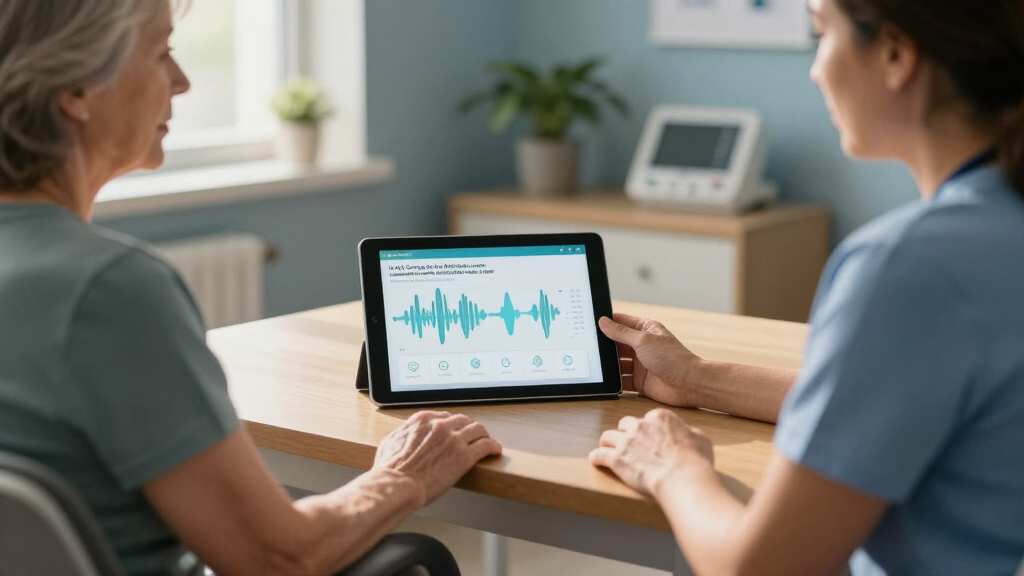
CMS is asking whether AI could shift the visit from a single, point-in-time assessment toward what it described as a more continuous, data-driven and beneficiary-specific preventive care function. Possible uses include collecting patient-reported information before a visit, identifying people who may need further assessment, and preparing suggested follow-up steps for clinicians to review.
Stephanie Carlton, CMS deputy administrator and chief clinical AI officer, discussed the proposal last Friday at the Health Datapalooza conference in Washington, D.C. She said only about half of seniors use the visit and that CMS lacks good evidence it is producing better outcomes. Carlton called that “a huge opportunity for AI.” Her remarks describe the agency’s interest; they do not establish that AI will be adopted or improve outcomes.
AI Could Change How Prevention Is Coordinated
For Medicare beneficiaries, the proposal could affect how preventive needs are identified and how follow-up is organized. AI-assisted information gathering or summaries might help care teams spot gaps and prepare for visits. Those are possible uses under discussion, not proven benefits of an implemented Medicare model.
The proposal also raises questions about who delivers care and remains responsible for it. The American Academy of Family Physicians (AAFP) supports thoughtful AI use for tasks such as identifying eligible patients, summarizing health information, supporting documentation and facilitating follow-up. The academy says these tools could reduce administrative work and give physician-led teams more capacity for coordinated preventive care.
At the same time, the AAFP argues that an Annual Wellness Visit involves more than a screening checklist. It can connect preventive care with a person’s medical history, chronic conditions, behavioral health needs, circumstances and long-term goals. The academy says those decisions depend on an ongoing relationship with a physician-led team. How CMS addresses that concern could shape whether future AI-supported approaches reinforce existing care relationships or create new delivery arrangements.
Top picks for "medicare annual wellnes"
As an affiliate, we earn on qualifying purchases.
Current Rules Keep Clinicians Responsible
The Annual Wellness Visit is a Medicare preventive service. Under the policy CMS described in its proposal, a physician or another health professional must perform it, or a medical team must work under the direct supervision of a physician enrolled as a Medicare provider. CMS is asking what barriers those requirements may create for new models in which an AI company develops or operates clinical tools and affiliates with an enrolled provider or supplier.
The AAFP’s comment letter cautions against allowing vendors or other third parties to provide significant portions of preventive care outside a patient’s established primary care relationship. It says separating those activities from the primary care physician could result in fragmented records, duplicated services, inconsistent recommendations or uncertainty over who follows up. The academy urges CMS to make sure technology-enabled approaches strengthen the patient’s existing care team.
CMS’s proposal follows its acknowledgment that the research on AWV outcomes does not point to a single clear result. The agency has framed AI as a subject for comment while it weighs that evidence and the current rules governing who can perform the service.
“We are interested in what barriers — if any — these requirements create to innovative AWV delivery models in which an AI technology company develops or operates these clinical AI tools and affiliates with a Medicare-enrolled provider or supplier.”
— CMS, in the proposed physician payment rule
How AI Would Fit Into Visits
CMS has not announced a final policy adopting AI for Annual Wellness Visits. The proposal asks for feedback on whether current requirements pose barriers to possible models, but the source material does not specify which models CMS may authorize, what safeguards they would require, or how responsibility for clinical decisions and follow-up would be assigned.
It also remains unclear whether AI-supported visits would improve preventive care or patient outcomes. CMS cited mixed research on the visits themselves, and the cited discussion does not provide evidence that the proposed AI uses would resolve those mixed findings. The AAFP supports some uses while warning that arrangements outside a patient’s primary care relationship could weaken continuity and accountability.
Final Payment Rule Expected Soon
CMS is expected to release the final physician payment regulation around Nov. 1. That rule will show how the agency responds to feedback on AI-supported Annual Wellness Visits and whether it changes or clarifies requirements for possible delivery models. Until then, the existing clinician and supervision requirements remain the policy described in the proposal.
Any decision about AI’s role will also leave practical questions for beneficiaries and care teams, including how information is gathered, who reviews suggested next steps, and how records and follow-up are coordinated. The agency’s final rule and any later implementation details will determine whether those questions receive specific answers.
Key Questions
Has Medicare approved AI to conduct Annual Wellness Visits?
No such approval is described in the source material. CMS is seeking input through a proposed payment rule; current policy requires a physician or other qualified professional, or a directly supervised medical team, to perform the visit.
What might AI do during an Annual Wellness Visit?
CMS identified possible uses including collecting beneficiary-reported information before a visit, flagging people who may need additional assessment, and generating suggested follow-up steps for clinicians to review.
Why is CMS considering AI for the visits?
CMS says research on the visits’ effects is mixed and Carlton said about half of seniors use them. The agency is asking whether AI could support a more continuous and tailored approach to preventive care; improved outcomes have not been established.
What concerns has the AAFP raised?
The AAFP supports selected AI tools but warns that care delivered outside a patient’s established primary care relationship could fragment records, duplicate services or leave follow-up responsibility unclear.
When is CMS expected to issue its final rule?
The agency is expected to release the final physician payment regulation around Nov. 1, according to the report.
Source: rss
Halloween Picks
halloween
As an affiliate, we earn on qualifying purchases.