
TL;DR

Turn your wind-down time into listening time
- Thousands of audiobooks, podcasts and originals
- Listen on your phone, tablet or Echo — also offline
- Cancel anytime
Scientists have created a new at-home test that allows individuals to check ticks for Lyme Disease infection. This development could lead to earlier detection and treatment, but further validation is needed. The test aims to improve public health responses to tick-borne illnesses.
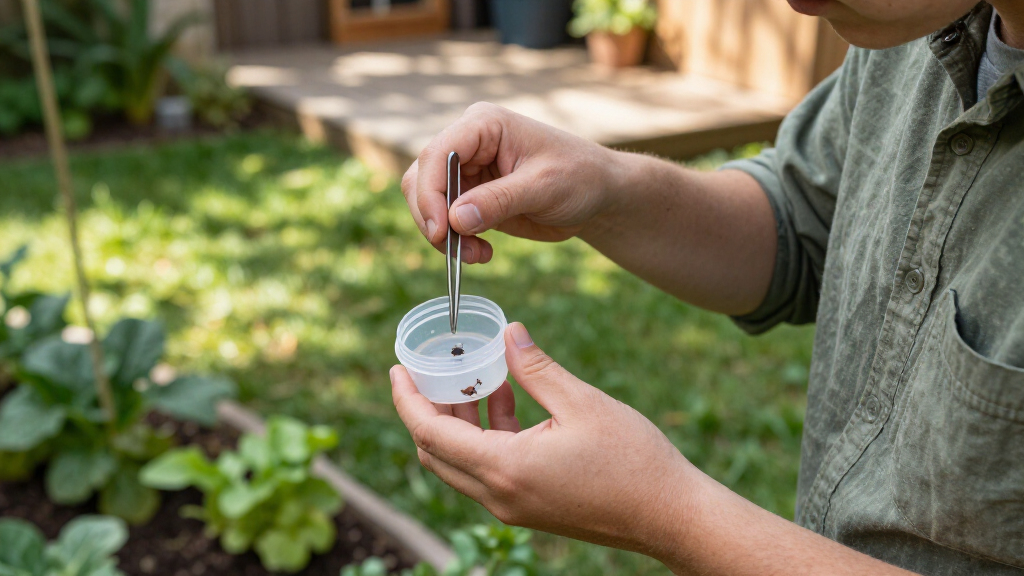
Researchers have introduced an at-home testing kit that enables individuals to determine if a tick they have collected is infected with the bacteria responsible for Lyme Disease. This innovation aims to improve early diagnosis and treatment, which are crucial for preventing severe health outcomes.
The new DIY tick test was developed by a team of scientists at a university research lab and is currently in the pilot phase. It allows users to collect a tick, perform a simple analysis at home, and receive results within a few hours. The test detects the presence of Borrelia burgdorferi, the bacteria that causes Lyme Disease, using a specialized assay that can be performed with minimal equipment.
According to the research team, the test has shown promising accuracy in preliminary trials involving laboratory samples. They hope that widespread adoption could lead to faster, more accessible diagnosis for people who suspect they have been bitten by an infected tick, especially in areas where Lyme Disease is endemic.
Potential Impact on Lyme Disease Prevention and Care
This development could significantly improve public health outcomes by enabling earlier detection of infected ticks, which in turn may lead to prompt medical intervention. Early treatment with antibiotics is known to be more effective and can prevent long-term complications associated with Lyme Disease, such as neurological and joint issues. Additionally, the test could empower individuals to make informed decisions about seeking medical care, reducing reliance on healthcare facilities for initial diagnosis.
As an affiliate, we earn on qualifying purchases.
Growing Need for Accessible Tick Testing Solutions
Lyme Disease is the most common tick-borne illness in North America, with cases rising annually. Traditionally, diagnosis depends on symptom presentation and laboratory testing after a tick bite or symptom onset. However, delays in diagnosis are common, and many cases go unrecognized until advanced symptoms develop. Existing testing methods require laboratory facilities and often take days to produce results, limiting their immediate usefulness during outdoor activities or early exposure.
The concept of at-home testing for ticks has been under development for several years, driven by advances in molecular diagnostics and increased public awareness. This new kit represents a step toward making tick testing more accessible and timely, potentially reducing the burden of Lyme Disease and other tick-borne illnesses.
Validation and Adoption Challenges for the New Test
It is not yet clear how accurate or reliable the at-home test will be in large-scale, real-world settings. Further clinical trials and validation studies are needed to confirm its effectiveness. Regulatory approval processes are also ongoing, and it remains uncertain when the test will be commercially available for general use.
Next Steps Include Larger Trials and Regulatory Review
Researchers plan to conduct larger, multi-site trials to evaluate the test’s accuracy and usability. Meanwhile, regulatory agencies such as the FDA are reviewing the data to determine approval pathways. If successful, the test could be commercially launched within the next year, offering a new tool for Lyme Disease prevention.
Key Questions
How does the at-home tick test work?
The test involves collecting a tick, applying a sample to a test device, and receiving results within a few hours that indicate whether the tick carries Borrelia burgdorferi.
Can the test diagnose Lyme Disease in humans?
No, the test only detects infection in ticks. It does not diagnose Lyme Disease in humans but can help individuals assess their risk after a tick bite.
When will the test be available to the public?
The test is currently in the validation phase, with a potential commercial release within the next 12 months if all trials are successful.
Is the test 100% accurate?
It is too early to confirm the test’s accuracy in real-world conditions. Further validation is required to determine its reliability and sensitivity.
How can I protect myself from ticks?
Use protective clothing, avoid tall grass and wooded areas, perform tick checks after outdoor activities, and seek prompt medical advice if bitten.
Source: hn
Fall Picks
fall essentials
As an affiliate, we earn on qualifying purchases.